The shift to remote work has transformed how millions of professionals approach their daily routines, bringing flexibility but also unique challenges to productivity and well-being.

Creating an optimal home workspace requires more than just a laptop and internet connection. The physical environment where you work directly impacts your energy levels, focus, and long-term health. From lighting conditions that prevent eye strain to ergonomic setups that support your spine, every element plays a crucial role in your remote work success. Understanding how to master these factors can mean the difference between thriving in your home office and struggling through exhausting workdays filled with discomfort and diminished productivity.
The Critical Role of Lighting in Your Home Workspace 💡
Proper lighting stands as one of the most underestimated factors in remote work productivity. Poor illumination doesn’t just strain your eyes—it affects your mood, concentration, and even your sleep patterns long after you’ve closed your laptop.
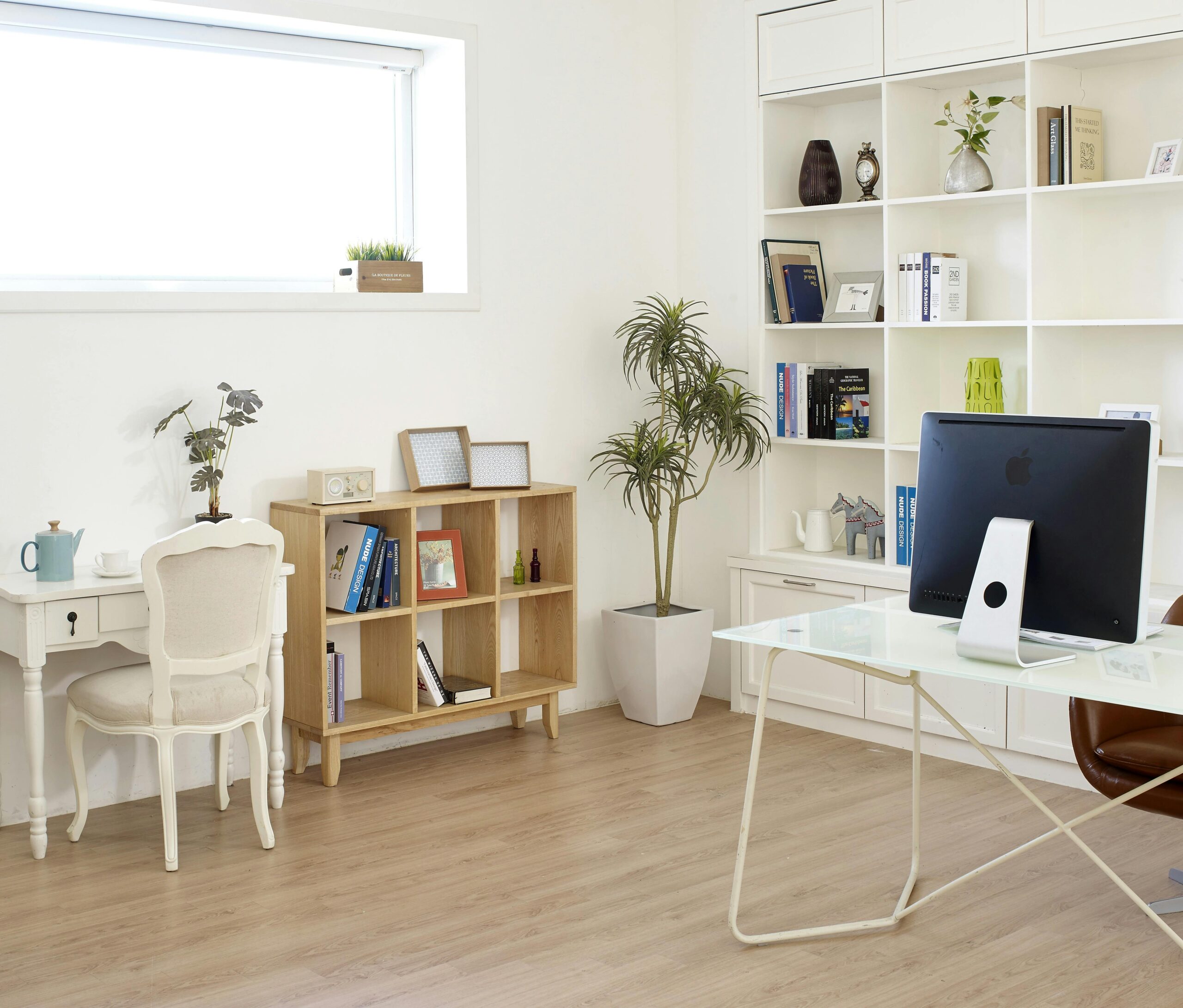
Natural light should be your primary lighting source whenever possible. Position your desk perpendicular to windows rather than directly facing them or having them behind you. This arrangement minimizes glare on your screen while providing beneficial daylight exposure that helps regulate your circadian rhythm.
Layering Your Lighting Strategy
A multi-layered lighting approach creates the most comfortable work environment. Start with ambient lighting that illuminates the entire room without creating harsh shadows. Add task lighting directed at your work surface—an adjustable desk lamp with 40-60 watts equivalent LED bulb works perfectly for most situations.
Consider the color temperature of your bulbs carefully. Cooler light (5000-6500K) mimics daylight and promotes alertness during morning and afternoon work sessions. Warmer light (2700-3000K) creates a more relaxing atmosphere suitable for evening tasks that don’t require intense concentration.
Reducing Screen Glare and Eye Strain
Screen glare represents a common culprit behind headaches and eye fatigue. Position your monitor so overhead lights don’t reflect off the screen. Anti-glare screen protectors provide an additional layer of protection, especially in spaces where lighting adjustments are limited.
The 20-20-20 rule remains essential: every 20 minutes, look at something 20 feet away for 20 seconds. This simple practice gives your eye muscles a necessary break from constant near-focus work.
Building the Foundation: Perfect Posture for Remote Workers 🪑
Your posture determines whether you’ll finish your workday feeling energized or experiencing back pain, neck stiffness, and shoulder tension. The human body wasn’t designed for eight hours of sitting, but proper ergonomics can significantly minimize the damage.
Start with your chair height. Your feet should rest flat on the floor with knees at approximately 90 degrees. Your hips should be slightly higher than your knees to maintain the natural curve of your lower spine. If your chair doesn’t adjust low enough, use a footrest to achieve proper positioning.
Monitor Positioning and Desk Setup
Your monitor should sit at arm’s length away, with the top of the screen at or slightly below eye level. This positioning prevents the forward head posture that creates neck strain and tension headaches. If you’re using a laptop, invest in a laptop stand and external keyboard to achieve proper screen height.
Your keyboard and mouse should be positioned so your elbows stay close to your body at a 90-degree angle. Your wrists should remain neutral—not bent up, down, or to either side—while typing. A wrist rest can help maintain this position during brief pauses, though you shouldn’t rest your wrists on it while actively typing.
The Sitting-Standing Balance
Even perfect sitting posture becomes problematic when maintained for hours without variation. Standing desks or desk converters allow you to alternate between sitting and standing throughout the day. Start with 15-20 minute standing intervals and gradually increase as your body adapts.
When standing, maintain the same ergonomic principles: screen at eye level, elbows at 90 degrees, and weight distributed evenly on both feet. An anti-fatigue mat provides cushioning that reduces stress on your feet, legs, and lower back during standing periods.
Movement Breaks: Your Secret Weapon for Sustained Energy ⚡
Regular breaks aren’t productivity killers—they’re productivity multipliers. Research consistently shows that strategic breaks improve focus, creativity, and overall work output while reducing stress and preventing burnout.
The Pomodoro Technique offers a proven framework: 25 minutes of focused work followed by a 5-minute break. After completing four cycles, take a longer 15-30 minute break. This rhythm aligns with natural attention spans and prevents mental fatigue from accumulating.
Energizing Break Activities
Not all breaks deliver equal benefits. Scrolling social media might feel like rest, but it keeps your eyes fixed on a screen and your mind in passive consumption mode. Instead, choose activities that genuinely refresh your body and mind.
- Walk around your home or step outside for fresh air and natural light exposure
- Perform gentle stretches targeting your neck, shoulders, back, and hips
- Do brief cardiovascular exercise like jumping jacks or climbing stairs to boost circulation
- Practice deep breathing exercises to activate your parasympathetic nervous system
- Prepare a healthy snack or refill your water bottle to maintain proper nutrition
- Engage in a brief mindfulness or meditation session to clear mental clutter
Micro-Breaks Throughout Your Day
Beyond structured breaks, incorporate micro-breaks lasting just 30-60 seconds every 10-15 minutes. Stand up, roll your shoulders, look out a window, or simply close your eyes and take three deep breaths. These tiny interruptions prevent muscle tension from building and keep your mind fresh.
Your Essential Remote Work Optimization Checklist ✅
Transform your remote work experience by implementing this comprehensive checklist. Review it weekly to ensure you’re maintaining optimal conditions for productivity and well-being.
Lighting Optimization
- Position desk perpendicular to natural light sources
- Install adjustable task lighting at your workspace
- Use daylight-temperature bulbs (5000-6500K) during work hours
- Eliminate screen glare through positioning or anti-glare filters
- Follow the 20-20-20 rule for eye rest throughout the day
- Adjust screen brightness to match ambient lighting levels
- Consider blue light filtering glasses for extended screen time
Posture and Ergonomics
- Adjust chair height so feet rest flat with knees at 90 degrees
- Position monitor at arm’s length with top at eye level
- Keep elbows close to body at 90-degree angles
- Maintain neutral wrist position while typing
- Support lower back with lumbar cushion if needed
- Keep frequently used items within easy reach to avoid twisting
- Alternate between sitting and standing if possible
- Check and correct posture every hour
Break and Movement Schedule
- Set timer for 25-minute focused work intervals
- Take 5-minute active breaks between work sessions
- Schedule longer 15-30 minute breaks every 2 hours
- Incorporate 30-second micro-breaks every 15 minutes
- Perform targeted stretches for neck, shoulders, and back
- Take at least one outdoor break daily for sunlight exposure
- Stay hydrated with water throughout the day
- Avoid eating lunch at your desk—change your environment
Creating Boundaries Between Work and Personal Life 🏠
Remote work’s greatest advantage—flexibility—can become its biggest challenge when work bleeds into personal time. Establishing clear boundaries protects both your productivity and your well-being.
Designate a specific workspace, even if it’s just a particular corner of a room. When you’re in this space, you’re working. When you leave it, work ends. This physical boundary creates psychological separation that helps your brain transition between work and rest modes.
Time-Based Boundaries
Set consistent work hours and communicate them to colleagues and family members. Just because you work from home doesn’t mean you’re always available. Protect your start and end times as rigorously as you would if commuting to an office.
Create a shutdown ritual that signals the end of your workday. This might include closing specific applications, tidying your desk, changing clothes, or taking a brief walk. These actions tell your brain that work has ended and personal time has begun.
Optimizing Your Environment Beyond the Basics 🌿
Once you’ve mastered lighting, posture, and breaks, consider additional environmental factors that influence your remote work experience.
Temperature significantly affects concentration and comfort. Most people work best in environments between 68-72°F (20-22°C). Dress in layers so you can adjust your personal temperature without constantly changing the thermostat.
Sound Management
Noise control creates better focus conditions. If you can’t control environmental sounds, invest in quality noise-canceling headphones. Some people work best in complete silence, while others prefer background music or ambient sounds. Experiment to discover what helps you concentrate.
White noise machines or apps can mask distracting household sounds without demanding attention like music with lyrics. Nature sounds, coffee shop ambiance, or pure white noise each offer different acoustic environments worth testing.
Air Quality and Plants
Poor air quality diminishes cognitive function even when you don’t consciously notice it. Open windows when weather permits to introduce fresh air. Consider an air purifier if you live in an area with pollution concerns or have allergies.
Indoor plants do more than beautify your workspace—they improve air quality and provide psychological benefits. Snake plants, pothos, and spider plants require minimal maintenance while offering maximum benefit for home office environments.
Technology Tools That Support Remote Work Wellness 📱
Leverage technology to maintain the healthy habits that optimize your remote work experience. Apps and tools can provide the structure and reminders that prevent good intentions from fading into forgotten resolutions.
Break reminder apps ensure you actually take those essential movement breaks rather than getting absorbed in work for hours. Many options allow customization of break intervals and durations to match your preferred work rhythm.
Posture reminder applications use your device’s camera to alert you when you’re slouching or leaning too close to your screen. While they might feel annoying initially, they build awareness that eventually becomes automatic good posture.
Sustaining Your Remote Work Success Long-Term 🎯
Implementing these strategies requires initial effort, but the benefits compound over time. Better lighting reduces eye strain that would worsen over months and years. Proper posture prevents chronic pain that becomes increasingly difficult to resolve. Regular breaks maintain the energy and focus that make sustainable productivity possible.
Start small rather than attempting to overhaul everything simultaneously. Pick one area—perhaps optimizing your lighting first—and spend a week implementing those changes. Once they become habitual, add posture improvements. Then layer in your break routine.
Track how you feel throughout this process. Note your energy levels, any physical discomfort, and your productivity patterns. This awareness helps you identify which changes deliver the most significant benefits for your specific situation.
Adapting to Your Unique Needs
These guidelines provide a foundation, but your ideal remote work setup will be uniquely yours. Someone with existing back problems might need more frequent position changes. A person with light sensitivity might require different lighting solutions. Parents working from home face different break-scheduling challenges than those living alone.
Experiment systematically. Change one variable at a time so you can accurately assess its impact. What works for colleagues or influencers might not work for you, and that’s perfectly fine. The goal is discovering your optimal configuration.

Investing in Your Remote Work Future 💼
Remote work isn’t a temporary trend—it’s a fundamental shift in how many professionals will work for years to come. Investing time and resources in optimizing your home workspace delivers returns daily through improved productivity, better health, and greater work satisfaction.
Quality equipment pays for itself through the problems it prevents. An ergonomic chair costs less than months of physical therapy for back pain. Good lighting prevents eye strain that could require medical intervention. These aren’t luxuries—they’re essential tools for sustainable remote work success.
Your workspace affects not just your work performance but your overall quality of life. When you finish your workday feeling energized rather than exhausted, you have more to give to personal relationships, hobbies, and self-care. The boundary between work and life becomes healthier when work itself doesn’t drain you completely.
Review your remote work setup regularly. As your needs change, your workspace should evolve. The checklist provided here serves as both an initial implementation guide and an ongoing audit tool. Make it your own by adding items specific to your situation and removing elements that don’t serve you.
Remote work success ultimately comes down to treating your home workspace with the same seriousness you’d bring to an office environment—but with the added flexibility to customize everything perfectly for your needs. Master your lighting, perfect your posture, and take those energizing breaks. Your productivity, health, and happiness will thank you for it.