
Stress has become an unwelcome companion in modern life, affecting our mental clarity, physical health, and emotional well-being. The good news? You don’t need hours of meditation or expensive therapy sessions to find relief. With the right breathing techniques, you can reset your nervous system and regain your center in mere seconds.

Our bodies are equipped with a powerful built-in stress management system that most of us never fully utilize. Through intentional breathing practices, we can tap into this natural mechanism, shifting from fight-or-flight mode to a state of calm awareness. This article explores proven breathing techniques and routines that serve as your personal reset button, accessible anytime, anywhere.
🧠 The Science Behind Breath and Stress Relief
Your breath is directly connected to your autonomic nervous system, which controls involuntary bodily functions including heart rate, digestion, and stress response. When you’re anxious or overwhelmed, your breathing becomes shallow and rapid, signaling to your body that danger is present. This triggers the release of cortisol and adrenaline, perpetuating the stress cycle.
Conversely, slow, deliberate breathing activates the parasympathetic nervous system—your body’s natural calming mechanism. This activation reduces cortisol levels, lowers blood pressure, and promotes the release of endorphins. Research published in the Journal of Neurophysiology demonstrates that controlled breathing patterns can influence brain regions responsible for emotion, attention, and body awareness.
The vagus nerve, a critical component of the parasympathetic system, responds particularly well to specific breathing patterns. When stimulated through breath work, it sends signals to your brain that everything is safe, effectively interrupting the stress response before it escalates.
⚡ The 4-7-8 Technique: Your Instant Calm Button
Developed by Dr. Andrew Weil, the 4-7-8 breathing technique is one of the most effective quick-reset methods available. This simple pattern works by extending your exhale longer than your inhale, which naturally calms the nervous system and reduces anxiety within seconds.
Here’s how to perform it:
- Place the tip of your tongue against the ridge behind your upper front teeth
- Exhale completely through your mouth, making a whoosh sound
- Close your mouth and inhale quietly through your nose for 4 counts
- Hold your breath for 7 counts
- Exhale completely through your mouth for 8 counts, making the whoosh sound
- Repeat the cycle three more times for a total of four breaths
The beauty of this technique lies in its portability. Whether you’re stuck in traffic, about to enter a difficult meeting, or lying awake at night, you can perform this breathing exercise without anyone noticing. Many practitioners report feeling noticeably calmer after just one round, with effects deepening through regular practice.
Why the 4-7-8 Pattern Works So Well
The extended hold and prolonged exhale create a specific physiological response. Holding your breath increases carbon dioxide in the blood, which paradoxically helps calm the mind and reduce anxiety. The long exhale activates the vagus nerve, sending powerful relaxation signals throughout your body. This combination creates a double effect that can interrupt even intense stress responses.
💨 Box Breathing: The Navy SEAL Method for Staying Centered
Used by elite military personnel and first responders, box breathing (also called square breathing) helps maintain composure in high-pressure situations. This technique creates equal intervals for inhaling, holding, exhaling, and holding again—forming a “box” pattern that brings balance and focus.
The basic box breathing pattern follows this structure:
- Inhale slowly through your nose for 4 counts
- Hold your breath for 4 counts
- Exhale slowly through your mouth for 4 counts
- Hold empty for 4 counts
- Repeat for 5-10 rounds
What makes box breathing particularly effective is its rhythmic predictability. Your mind has something concrete to focus on—counting and maintaining the pattern—which interrupts ruminating thoughts and anxiety spirals. The equal timing creates a sense of control and stability, which is exactly what you need when stress threatens to overwhelm you.
Athletes, executives, and performers worldwide use this technique before important events to sharpen focus while remaining calm. Studies show that regular practice of box breathing can improve reaction time, decision-making, and emotional regulation under pressure.
🌊 Alternate Nostril Breathing: Ancient Wisdom for Modern Stress
Called Nadi Shodhana in yoga traditions, alternate nostril breathing has been used for thousands of years to balance the body’s energy and calm the mind. This technique involves breathing through one nostril at a time, creating a unique effect on brain hemispheres and nervous system balance.
To practice alternate nostril breathing:
- Sit comfortably with your spine straight
- Use your right thumb to close your right nostril
- Inhale slowly through your left nostril
- Close your left nostril with your ring finger, releasing your right nostril
- Exhale through your right nostril
- Inhale through your right nostril
- Close your right nostril and exhale through your left
- This completes one round—continue for 5-10 rounds
Research indicates that this practice can synchronize the two hemispheres of the brain, promoting mental clarity and emotional balance. It’s particularly helpful when you’re feeling mentally scattered or emotionally reactive, as it creates an immediate centering effect.
📱 Technology-Assisted Breathing for Consistent Practice
While breathing techniques require no equipment, many people find that apps and guided sessions help establish consistent practice. Breathing apps can provide visual cues, timed intervals, and gentle reminders to practice throughout your day.
Technology can serve as training wheels until breathing exercises become second nature. Many practitioners find that after a few weeks of app-guided practice, they can perform the techniques naturally without prompts, integrating them seamlessly into daily life.
⏰ Creating Your Personal Reset Routine
The most powerful approach to stress management through breathing involves creating a personalized routine that fits your lifestyle and addresses your specific stress triggers. Rather than waiting until you’re overwhelmed, proactive breathing practice builds resilience and lowers your baseline stress level.
Morning Centering Ritual
Start your day with five minutes of box breathing before checking your phone or email. This sets a calm, focused tone for the day ahead and strengthens your stress resilience for whatever challenges arise. Performing this practice consistently in the morning creates a neural pathway that makes accessing calm easier throughout the day.
Midday Stress Interruption
Set a reminder for mid-afternoon—when stress and mental fatigue typically peak—to perform three rounds of 4-7-8 breathing. This brief intervention can prevent the accumulation of stress and maintain mental clarity during your busiest hours. Many people report that this simple practice eliminates their need for afternoon caffeine.
Evening Wind-Down Protocol
Use alternate nostril breathing for five minutes before dinner or your evening routine. This practice helps transition from the day’s demands to a more relaxed state, improving digestion, sleep quality, and family interactions. Creating this boundary between work mode and personal time enhances overall quality of life.
🎯 Breathwork for Specific Stress Situations
Different breathing techniques excel in different scenarios. Matching the right technique to your specific situation maximizes effectiveness and helps you build a versatile stress management toolkit.
| Situation | Best Technique | Why It Works |
|---|---|---|
| Acute anxiety or panic | 4-7-8 Breathing | Quickly activates calming response |
| Before important performance | Box Breathing | Balances arousal with focus |
| Mental overwhelm | Alternate Nostril | Synchronizes brain hemispheres |
| Insomnia or restlessness | 4-7-8 Breathing | Induces relaxation conducive to sleep |
| Anger or frustration | Extended Exhale | Releases tension and regulates emotion |
💪 Building Breathing Resilience Through Consistent Practice
Like physical exercise, breathing practices yield the greatest benefits when performed regularly rather than only during crisis moments. Consistent practice literally rewires your nervous system, making it easier to access calm states and harder for stress to take hold.
Neuroscience research reveals that regular breathwork increases gray matter in brain regions associated with emotional regulation and decreases activity in the amygdala—your brain’s fear center. These structural changes mean you become fundamentally more resilient to stress over time.
Start with just two minutes daily. The consistency matters more than duration, especially when building a new habit. Once the practice feels natural, gradually extend your sessions or add additional practice times throughout your day.
Tracking Your Progress
Notice changes in how you respond to typically stressful situations. Many practitioners report that after several weeks of consistent practice, things that once triggered intense reactions barely register. You might notice improved sleep, better digestion, enhanced focus, or more stable moods—all indicators that your nervous system is becoming better regulated.
🌟 Advanced Breathing Strategies for Deep Reset
Once you’ve mastered basic techniques, you can explore more advanced practices that create even deeper states of calm and centered awareness. These methods require more time but offer profound stress relief and mental clarity.
Coherent Breathing
This technique involves breathing at a rate of five breaths per minute—inhaling for six counts and exhaling for six counts. This specific rhythm optimizes heart rate variability, a key marker of nervous system health and stress resilience. Practice for 10-20 minutes for maximum benefit, ideally in a quiet environment where you can fully relax.
Resonance Breathing with Extended Exhale
Similar to coherent breathing but with a longer exhale (inhale for four counts, exhale for six counts), this pattern particularly activates the parasympathetic nervous system. It’s excellent for deeper stress relief sessions or when you have more time to dedicate to your practice.
🔄 Integrating Breathwork into Daily Life
The ultimate goal isn’t just to have breathing techniques available but to weave them seamlessly into your daily routine so stress relief becomes automatic. This integration happens through strategic anchoring—linking breathing practices to existing habits or environmental cues.
Try these integration strategies:
- Practice box breathing at every red light during your commute
- Perform three 4-7-8 breaths before entering your home after work
- Use alternate nostril breathing while waiting for your coffee to brew
- Take five conscious breaths before responding to challenging emails
- Begin every meeting with three deep breaths
These micro-practices accumulate throughout your day, creating multiple reset points that prevent stress from building to overwhelming levels. They transform breathing from something you do during dedicated practice time into a constant companion that supports you through all of life’s moments.
🎪 Overcoming Common Breathing Practice Obstacles
Even with the best intentions, obstacles can derail your breathing practice. Recognizing and addressing these challenges helps maintain consistency and maximize benefits.
When You Feel Too Stressed to Breathe
Ironically, when you need breathing practices most, they can feel impossible to start. In these moments, don’t aim for perfect technique. Simply extending your exhale for a few breaths—making it longer than your inhale—will begin shifting your physiology toward calm. Once you feel even slightly better, you can transition to a more structured technique.
Dealing with Discomfort or Lightheadedness
Some people experience discomfort when first practicing breathing exercises, especially those involving breath holds. This is normal as your body adjusts to different oxygen and carbon dioxide levels. Start with shorter intervals and never force the breath. If lightheadedness occurs, return to normal breathing until it passes, then resume with gentler intensity.
Maintaining Motivation
Breathing practice benefits are subtle compared to dramatic interventions, which can make it hard to stay motivated. Keep a simple log noting your stress levels and overall sense of well-being. Over time, patterns will emerge showing how your practice correlates with improved life quality. This objective feedback sustains motivation when subjective experience feels unclear.
✨ Transforming Your Relationship with Stress
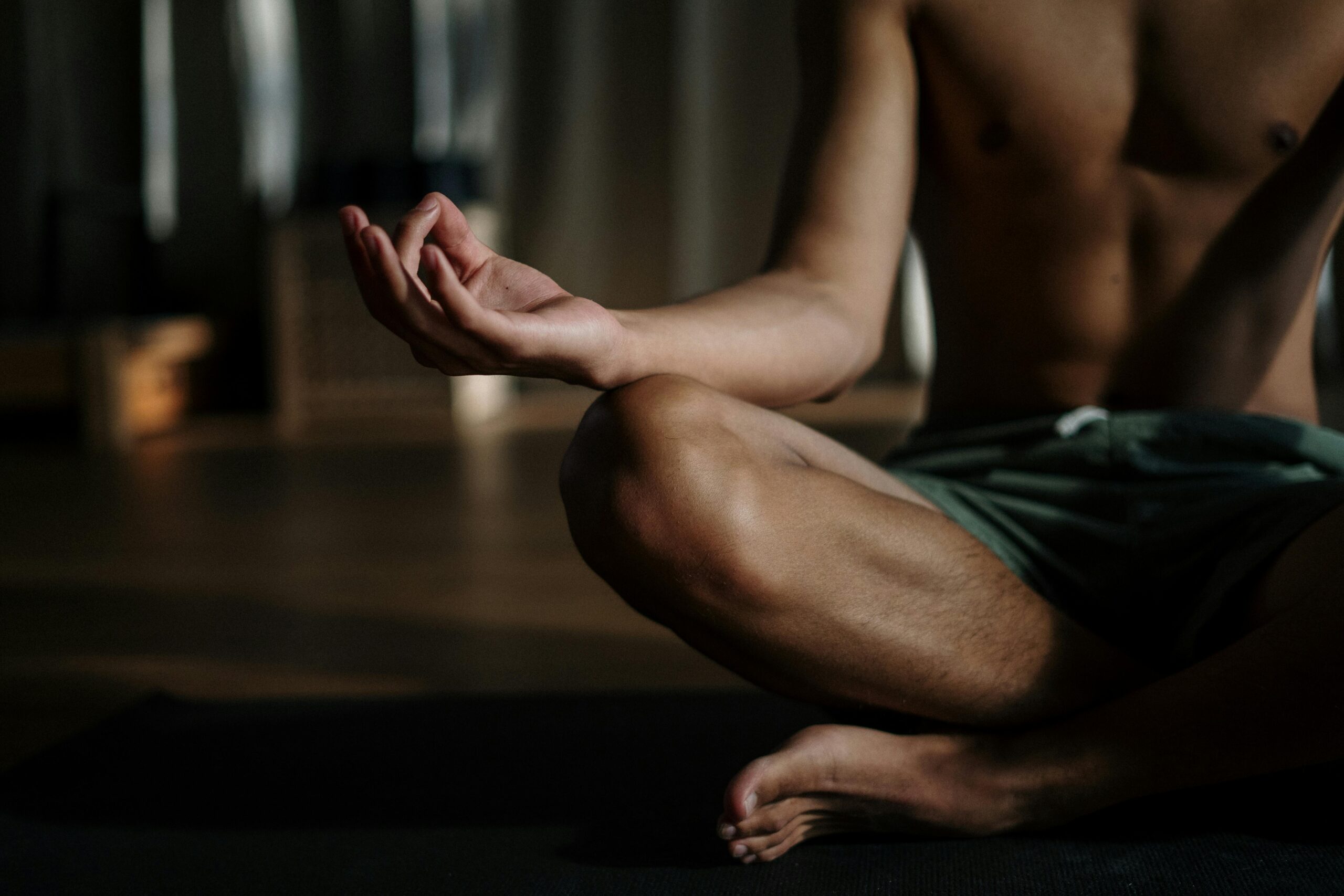
Regular breathing practice doesn’t just help you manage stress—it fundamentally transforms your relationship with it. Rather than viewing stress as an enemy to be avoided, you develop confidence in your ability to navigate challenging experiences while maintaining your center.
This shift is profound. Instead of organizing your life around stress avoidance, you engage more fully with opportunities and challenges, knowing you have reliable tools to maintain equilibrium. Your capacity expands, resilience deepens, and life becomes richer as you move through it with greater ease and presence.
The practices outlined here represent ancient wisdom validated by modern science. They cost nothing, require no special equipment, and work anywhere, anytime. Your breath is always with you, making it the most accessible and powerful stress management tool you possess. By dedicating just minutes daily to conscious breathing, you’re investing in a skill that will serve you for life, providing instant access to calm and centered awareness regardless of external circumstances.
Start today with just one technique. Practice it for one minute. Notice what shifts. Then build from there, gradually expanding your breathing toolkit and deepening your practice. Your nervous system will thank you, your health will improve, and you’ll discover a profound sense of agency over your internal state—perhaps the most valuable skill you can develop in our stress-filled world. 🌬️