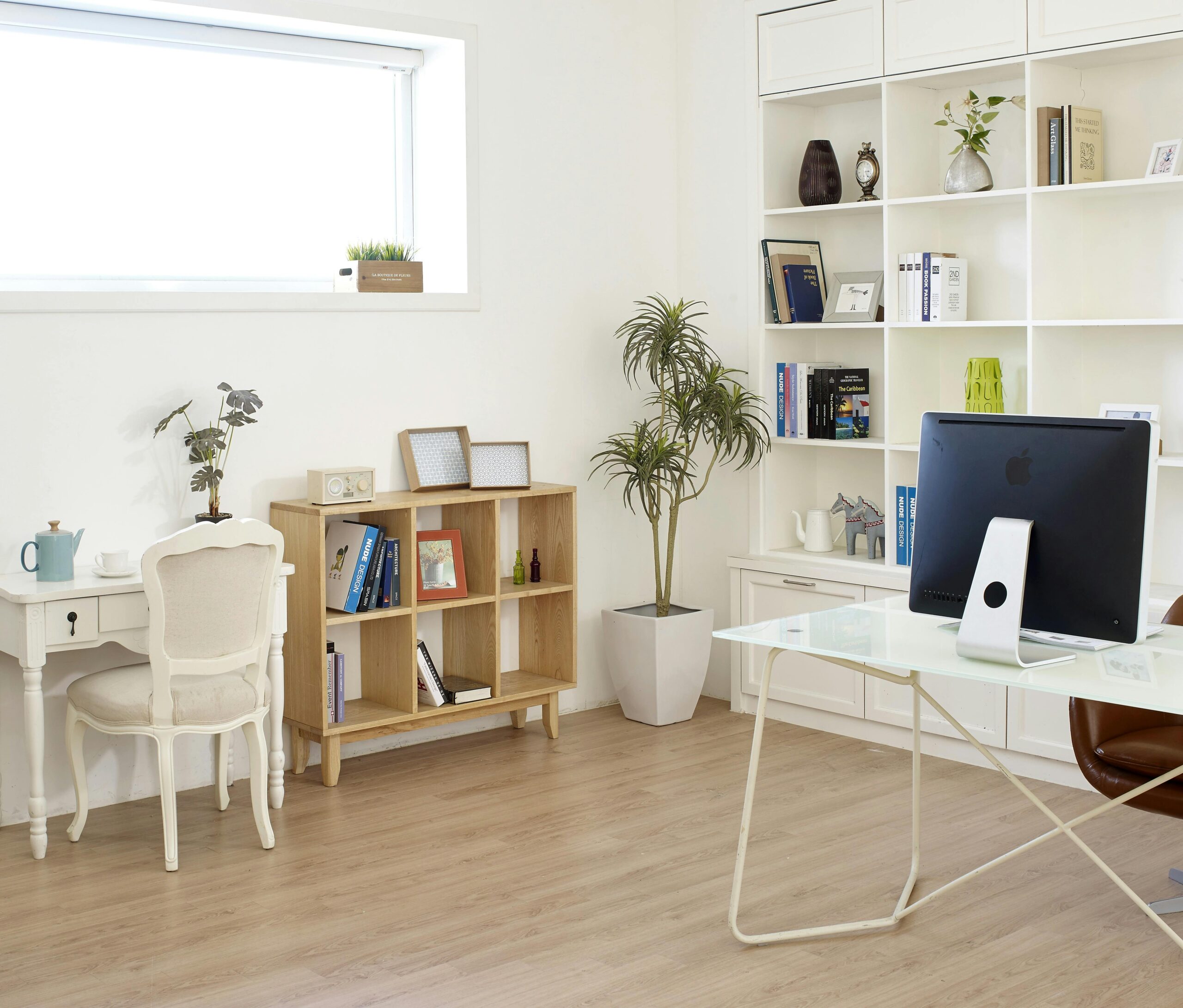
The way we light our spaces profoundly impacts our mood, productivity, and overall well-being. Transforming your environment from a sterile office atmosphere to a warm, inviting home haven doesn’t require expensive renovations—just thoughtful lighting transitions.

Whether you work from home or simply want to create distinct atmospheres throughout your day, mastering lighting transitions can revolutionize how you experience your living space. The psychological effects of lighting are well-documented, and with the right techniques, you can seamlessly shift from focused work mode to relaxation without changing rooms.
🌅 Understanding the Psychology Behind Lighting Transitions
Our bodies are naturally attuned to light changes throughout the day, a phenomenon governed by our circadian rhythms. When we maintain harsh, consistent lighting regardless of time or activity, we disrupt these natural cycles and create spaces that feel institutionalized rather than nurturing.
Office environments typically feature bright, cool-toned lighting designed to maximize alertness and productivity. While this serves its purpose during work hours, extending this lighting into evening hours can interfere with your body’s natural wind-down process. The key to successful lighting transitions lies in understanding how different light qualities affect our psychological state.
Warm lighting with lower color temperatures (around 2700K-3000K) signals to our brains that it’s time to relax, promoting the production of melatonin and preparing us for rest. Conversely, cooler lighting (5000K-6500K) mimics daylight and keeps us alert and focused. By strategically shifting between these temperatures, you create distinct environmental cues that help your mind and body transition between work and leisure modes.
💡 Essential Lighting Elements for Seamless Transitions
Creating the perfect lighting transition system requires understanding the different types of lighting and how they work together to establish ambiance. A well-designed lighting scheme incorporates multiple layers that can be adjusted independently.
Ambient Lighting: Your Foundation
Ambient lighting provides overall illumination for a room and serves as your base layer. During work hours, this might come from overhead fixtures or recessed lighting that evenly distributes light throughout the space. For home mode, consider dimming these primary sources or switching to warmer alternatives.
Smart bulbs have revolutionized ambient lighting control, allowing you to adjust both brightness and color temperature with simple voice commands or smartphone apps. This technology eliminates the need for multiple fixtures and gives you complete control over your lighting environment.
Task Lighting: Focused Illumination
Task lighting addresses specific activities like reading, computer work, or detailed projects. Desk lamps, under-cabinet lighting, and adjustable spotlights fall into this category. During office hours, task lighting should be bright and positioned to minimize glare on screens while adequately illuminating your workspace.
When transitioning to home mode, either turn off task lighting entirely or replace it with softer alternatives positioned for leisure activities like reading or hobbies. Consider adjustable arm lamps that can be repositioned based on your current needs.
Accent Lighting: Creating Atmosphere
Accent lighting adds depth, drama, and personality to your space. Wall sconces, picture lights, LED strips, and decorative fixtures contribute to this layer. While accent lighting might seem purely aesthetic, it plays a crucial role in establishing emotional tone.
During work hours, keep accent lighting minimal or off entirely to maintain focus. As you transition to evening mode, these elements become primary sources, creating visual interest and cozy pockets of light that make spaces feel intimate and inviting.
🔄 Practical Strategies for Smooth Daily Transitions
Implementing lighting transitions doesn’t have to be complicated or expensive. Start with these practical approaches that work for various budgets and technical comfort levels.
The Manual Approach: Intentional Rituals
Even without smart technology, you can create meaningful lighting transitions through intentional switching routines. Designate a specific time each day—perhaps when you finish work or after dinner—to walk through your space and adjust lighting accordingly.
Replace bright overhead bulbs with lower-wattage alternatives for evening use, or keep multiple lamps with different bulbs that you alternate between. This manual approach has the added benefit of creating a mindful ritual that psychologically marks the transition between work and personal time.
Smart Lighting Systems: Automated Transitions
Smart lighting systems offer the most seamless transitions, allowing you to program lighting scenes that automatically adjust throughout the day. Popular platforms like Philips Hue, LIFX, and Wyze enable you to create custom schedules that gradually shift color temperature and brightness.
Set up a “Focus” scene for morning and midday work hours with bright, cool-toned lighting at 100% brightness. Create an “Evening Wind-Down” scene that gradually reduces brightness to 40-50% and shifts to warm tones around 2700K. A “Cozy Night” scene might reduce lighting further to 20-30% with even warmer tones or accent lighting only.
Dimmer Switches: Simple Yet Effective
Installing dimmer switches represents a middle-ground solution between manual and fully automated approaches. Dimmers allow you to adjust brightness levels without changing bulbs or investing in complete smart home systems.
Modern dimmer switches are relatively inexpensive and can be installed by homeowners with basic electrical knowledge. Smart dimmer switches combine this functionality with programmable features, giving you scheduling capabilities without replacing all your existing bulbs.
🏠 Room-by-Room Transition Strategies
Different rooms serve different purposes, and your lighting transition strategy should reflect these functional distinctions. Tailoring your approach to each space ensures optimal ambiance throughout your home.
Home Office Transformations
Your home office presents the most dramatic transition challenge since it needs to support intense focus during work hours while disappearing into your home environment afterward. Consider overhead lighting at 5000K-6500K during work hours, supplemented by a quality task lamp positioned to eliminate screen glare.
For the evening transition, turn off overhead office lighting entirely and introduce warm-toned floor lamps or wall sconces that redefine the space. If possible, position these alternative light sources to highlight non-work elements like artwork, plants, or bookshelves rather than your desk area.
Physical barriers also help—a decorative screen that hides your desk in the evening, or simply turning your chair away from the workspace, signals to your brain that work mode has ended.
Living Areas: Multi-Purpose Flexibility
Living rooms often serve double duty as daytime workspaces and evening relaxation zones. Layer your lighting extensively in these areas to maximize flexibility. Combine recessed ceiling lights, floor lamps, table lamps, and accent lighting to create numerous possible configurations.
During work hours, use overhead lighting combined with task lamps positioned near your temporary workspace. In the evening, turn off overhead lights completely and rely on combinations of floor lamps, table lamps, and accent lights positioned around the room’s perimeter to create soft, indirect illumination.
Kitchen and Dining Spaces
Kitchens require bright task lighting for food preparation but benefit from warmer, dimmer lighting during meals and evening hours. Under-cabinet LED strips provide excellent task lighting that can be turned off when cooking is complete.
Install a dimmer on your main dining area fixture so you can adjust lighting based on activity. Bright light works for weekday breakfasts or homework sessions, while dimmed lighting creates ambiance for evening meals and conversation.
⚙️ Technology Tools to Enhance Your Lighting Control
Modern technology offers unprecedented control over your lighting environment. Smart home platforms integrate various devices into cohesive systems that respond to your preferences, schedules, and even your voice.
Smart Home Platforms and Voice Control
Amazon Alexa, Google Assistant, and Apple HomeKit allow you to control compatible smart lights through voice commands or centralized apps. Create routines that trigger multiple lighting changes simultaneously—perfect for transitioning from office to home mode with a single command.
Voice control proves particularly valuable when your hands are full or you’re already settled into relaxation mode. A simple “Alexa, evening mode” can transform your entire home’s lighting in seconds.
Lighting Control Apps
Most smart lighting manufacturers provide dedicated apps with advanced features beyond basic on/off control. These apps enable precise color temperature adjustment, brightness scheduling, and scene creation that syncs across multiple bulbs and rooms.
Some apps offer circadian lighting features that automatically adjust color temperature throughout the day to support your natural rhythms, brightening and cooling in the morning while warming and dimming in the evening.
Motion Sensors and Automation
Motion sensors add another layer of automation, triggering different lighting scenes based on presence and time of day. Configure sensors to activate bright, cool lighting during daytime work hours but switch to warm, dim lighting after your designated work end time.
Smart sensors can detect not just motion but also ambient light levels, adjusting artificial lighting to maintain consistent illumination regardless of natural light availability—particularly useful in home offices with varying window exposure.
🎨 Color and Light Quality Considerations
Beyond brightness and color temperature, light quality factors like Color Rendering Index (CRI) and beam angles significantly impact how your space feels and functions.
CRI measures how accurately light reveals true colors compared to natural sunlight. Bulbs with CRI ratings above 90 reproduce colors faithfully, important for tasks requiring color accuracy but also for creating inviting home environments where artwork, textiles, and finishes appear as intended.
Beam angles determine how light spreads throughout a space. Narrow beam angles create focused spots ideal for task lighting or highlighting specific features. Wide beam angles provide even, general illumination suitable for ambient lighting. Combining different beam angles adds depth and visual interest to your lighting design.
💰 Budget-Friendly Transition Solutions
Mastering lighting transitions doesn’t require extensive budgets or complete home rewiring. Strategic investments in key areas deliver significant improvements without financial strain.
Start with the spaces where you spend the most time—likely your home office and primary living area. Purchase a few smart bulbs for these critical locations rather than outfitting your entire home immediately. Many smart bulbs require no hub, connecting directly to your WiFi network, which reduces initial investment.
Consider smart plugs as an economical alternative to smart bulbs. Plug traditional lamps into smart plugs to gain scheduling and remote control capabilities at a fraction of the cost. While you won’t control color temperature, you can still automate on/off timing to support your transition rituals.
Take advantage of LED technology’s long lifespan and energy efficiency. Although LED bulbs cost more upfront than incandescent alternatives, their 15-25 year lifespan and minimal electricity consumption result in significant long-term savings while supporting your lighting transition goals.
🌿 Natural Light Integration
The most effective lighting transitions incorporate natural light as a foundational element. No artificial lighting perfectly replicates sunlight’s benefits, so maximizing natural light during daytime hours should be your priority.
Position your workspace near windows when possible, using sheer curtains to diffuse direct sunlight that might cause screen glare. As natural light fades in the evening, your artificial lighting transition becomes even more meaningful, clearly marking the shift from work to personal time.
Consider how window treatments can support your transition goals. Blackout curtains or cellular shades provide flexibility to control natural light levels based on activity and time of day, while light-colored curtains maximize daylight penetration during work hours.
✨ Creating Your Personal Lighting Transition Routine
Successful lighting transitions require consistency and personalization. Experiment with different color temperatures, brightness levels, and timing schedules to discover what works best for your lifestyle and preferences.
Start by identifying your ideal work-end time, then build your transition routine around this anchor point. Perhaps you prefer a gradual 30-minute transition where lighting slowly warms and dims, or maybe you prefer a distinct switch that clearly marks the work-to-home boundary.
Pay attention to how different lighting affects your mood and energy levels. Some people find that maintaining slightly brighter lighting in the early evening helps with dinner preparation and family activities, reserving the warmest, dimmest settings for the final hours before bed.
Document your favorite lighting scenes with photos and settings notes so you can replicate successful combinations. As seasons change and daylight hours shift, revisit and adjust your schedules to maintain optimal transitions year-round.

🔮 The Long-Term Impact of Thoughtful Lighting
Investing time and resources into mastering lighting transitions pays dividends far beyond simple aesthetics. Proper lighting supports healthier sleep patterns, reduces eye strain, enhances productivity during work hours, and creates genuine sanctuary spaces for relaxation and family time.
The boundary between work and personal life has become increasingly blurred, especially for remote workers. Lighting transitions provide a tangible, sensory signal that helps maintain these important boundaries, supporting better work-life balance and mental health.
As you refine your lighting system, you’ll likely notice improvements in sleep quality, mood stability, and overall satisfaction with your living environment. The cozy ambiance you create becomes something to look forward to, a daily reward that marks the transition from professional obligations to personal time.
Start small, experiment often, and remember that the perfect lighting transition is deeply personal. What creates a cozy haven for one person might not work for another, so trust your instincts and adjust until you find the combinations that transform your space from office to oasis effortlessly.