Staying hydrated isn’t just about drinking water—it’s about strategically fueling your brain and body to maintain peak performance during marathon work sessions. When you master the art of hydration pacing, you unlock a competitive advantage that keeps your focus razor-sharp and energy levels consistent.

Most professionals underestimate the profound impact that proper hydration timing has on cognitive function, decision-making quality, and sustained productivity. The difference between feeling mentally exhausted at 3 PM and maintaining clarity through evening hours often comes down to how you’ve been managing your fluid intake throughout the day.
🧠 The Science Behind Hydration and Mental Performance
Your brain is approximately 75% water, making it exceptionally sensitive to even mild dehydration. Research shows that a fluid loss of just 1-2% of body weight can significantly impair cognitive performance, affecting concentration, alertness, and short-term memory. During intense mental work, your brain consumes roughly 20% of your body’s total energy, creating metabolic waste products that require proper hydration to flush out efficiently.
When you’re dehydrated, blood volume decreases, forcing your heart to work harder to deliver oxygen and nutrients to your brain. This physiological stress manifests as brain fog, slower reaction times, and that dreaded afternoon slump that derails so many productive workdays. The key insight here is that by the time you feel thirsty, you’re already experiencing cognitive decline.
Understanding Your Hydration Baseline
Before implementing any hydration strategy, you need to establish your personal baseline. The old “eight glasses a day” rule is overly simplistic and doesn’t account for individual factors like body weight, activity level, climate, and the cognitive intensity of your work. A more accurate approach calculates fluid needs based on body weight—approximately 30-35 milliliters per kilogram for sedentary work, with adjustments for environmental factors.
Track your current hydration patterns for three days. Note when you drink, how much, and how you feel mentally at different times. This awareness creates the foundation for building an optimized hydration pacing plan that works specifically for your body and work demands.
💧 Building Your Strategic Hydration Timeline
The most effective hydration strategy for long work sessions isn’t about drinking massive amounts at once—it’s about consistent, timed intake that maintains optimal fluid balance without causing disruptive bathroom breaks or uncomfortable fullness.
Morning Priming (Wake to 10 AM)
Your body wakes up naturally dehydrated after 6-8 hours without fluid intake. Start your day with 500-750ml of water within the first hour of waking. This immediately begins rehydrating your system and kickstarts metabolic processes. Add a pinch of sea salt or electrolyte drops to enhance absorption, especially if you’ll be drinking coffee, which has mild diuretic effects.
Many high performers drink a full glass of water before their morning coffee to counterbalance caffeine’s dehydrating properties. This simple habit prevents the mid-morning crash that often occurs when caffeine wears off while dehydration intensifies.
Deep Work Hydration (10 AM to 1 PM)
During your peak productivity hours, implement the 25-7-2 hydration protocol: every 25 minutes of focused work, take a 7-second stretch break and consume approximately 200ml of water. This translates to roughly 600-800ml during a three-hour deep work block, depending on your pace.
This frequent, small-volume approach offers multiple benefits. The regular micro-breaks prevent the cognitive fatigue that accumulates during extended concentration periods, while the consistent hydration maintains optimal brain function without overwhelming your bladder. The physical act of drinking also serves as a pattern interrupt that can help reset your attention when you return to your task.
Post-Lunch Maintenance (1 PM to 4 PM)
The post-lunch period is critical for maintaining energy and avoiding the infamous afternoon slump. Drink 250-300ml of water about 30 minutes before lunch, then wait 30-45 minutes after eating before resuming regular hydration. Drinking too much during or immediately after meals can dilute digestive enzymes and slow digestion, contributing to that sluggish feeling.
Between 2 PM and 4 PM, maintain steady intake of 150-200ml every 30 minutes. This is when many professionals reach for sugary snacks or additional caffeine, but often what they actually need is proper hydration combined with strategic movement breaks.
Evening Wind-Down (4 PM to 7 PM)
As your workday extends into evening hours, taper your hydration volume slightly to avoid nighttime bathroom trips while maintaining cognitive function. Aim for 100-150ml every 30-45 minutes. If you’re working particularly late, consider switching to herbal tea or warm lemon water, which many people find easier to sip slowly and less likely to cause discomfort.
⚡ Enhancing Hydration Impact with Strategic Additions
Plain water is excellent, but strategic additions can enhance hydration effectiveness and provide additional cognitive benefits during demanding work sessions.
Electrolyte Optimization
Electrolytes—primarily sodium, potassium, and magnesium—are essential for proper cellular hydration. During long mental work sessions, especially in air-conditioned environments, you lose electrolytes through perspiration and metabolic processes. Adding electrolytes to your water improves fluid absorption and retention at the cellular level.
Consider adding a quality electrolyte supplement to 1-2 bottles throughout your day. Look for options without added sugars or artificial ingredients. Coconut water can also serve as a natural electrolyte source, particularly effective during the afternoon maintenance period.
Temperature Matters
Room temperature water is absorbed more quickly than ice-cold water, which can actually slow hydration as your body expends energy warming the fluid. However, cold water may provide a mild alertness boost through sensory stimulation. Experiment with temperature preferences during different work phases—cooler water during mentally demanding tasks, room temperature during maintenance periods.
🎯 Tracking and Optimizing Your Hydration Rhythm
Implementing a hydration pacing plan requires tracking mechanisms that don’t become distracting burdens themselves. Several approaches work effectively depending on your work style and environment.
Visual Tracking Methods
Pre-portion your daily water intake using marked bottles that indicate target consumption times. This visual reminder eliminates decision fatigue around hydration and makes it immediately obvious if you’re falling behind your plan. Mark bottles with time indicators: “Finish by 10 AM,” “Finish by 1 PM,” etc.
Alternatively, use a simple desk-based tracking system with glass beads or markers moved from one container to another each time you complete a hydration interval. This tactile tracking can be satisfying and doesn’t require screens or apps that might pull you into digital distractions.
Digital Hydration Tools
For those who prefer technology-based solutions, hydration reminder apps can provide gentle prompts without being intrusive. The key is finding an app with customizable reminder intervals that align with your work rhythm rather than generic hourly pings.
Configure notifications to align with your natural work breaks rather than interrupting deep focus periods. Many professionals find success with apps that integrate hydration tracking with pomodoro-style work intervals, creating a comprehensive rhythm for both productivity and self-care.
🚫 Common Hydration Mistakes That Sabotage Performance
Even well-intentioned professionals make hydration errors that undermine their energy and focus. Recognizing and correcting these patterns can dramatically improve your sustained performance capability.
The Binge-and-Drought Cycle
Many people go hours without drinking, then consume large volumes at once when they finally notice thirst. This pattern creates unnecessary bathroom urgency while failing to maintain consistent cellular hydration. Your kidneys can only process about 800-1000ml per hour, meaning excess is simply excreted without providing sustained benefit.
Break this cycle by setting non-negotiable minimum hydration checkpoints throughout your day. Even if you’re not thirsty, small consistent intake maintains the baseline your brain needs for optimal function.
Mistaking Caffeine for Hydration
Coffee, tea, and energy drinks contribute to fluid intake but shouldn’t constitute your primary hydration strategy. Caffeine’s mild diuretic effect combined with its impact on sleep quality can create a counterproductive cycle where you need more stimulants to compensate for dehydration and poor rest.
Implement a 1:2 caffeine-to-water ratio: for every caffeinated beverage, drink twice that volume in plain water over the following hour. This balances the benefits of caffeine for focus with the hydration needs for sustained cognitive performance.
Ignoring Environmental Factors
Air conditioning, heating systems, and low humidity environments accelerate fluid loss through respiration and skin evaporation. If you work in a climate-controlled office, your hydration needs may be 15-20% higher than baseline calculations suggest. Pay attention to dry mouth, dry eyes, or skin dryness—all indicators that your environment is depleting your hydration faster than standard conditions.
🔄 Adapting Your Plan for Different Work Scenarios
Your hydration strategy should flex based on the type of cognitive work you’re performing and your physical environment.
Creative Work Sessions
Creative thinking benefits from slight relaxation of the analytical mind. During brainstorming or creative development sessions, slightly warmer beverages like herbal tea can support the more relaxed state conducive to creative insights. Maintain similar volume and timing, but consider the sensory experience as part of your creative environment design.
Analytical and Problem-Solving Work
Intensive analytical work increases brain glucose consumption and metabolic activity. During these periods, consider adding a small amount of natural fruit juice to water (1 part juice to 4 parts water) for steady glucose support alongside hydration. This provides cognitive fuel without the crash associated with sugary drinks.
Collaborative Work and Meetings
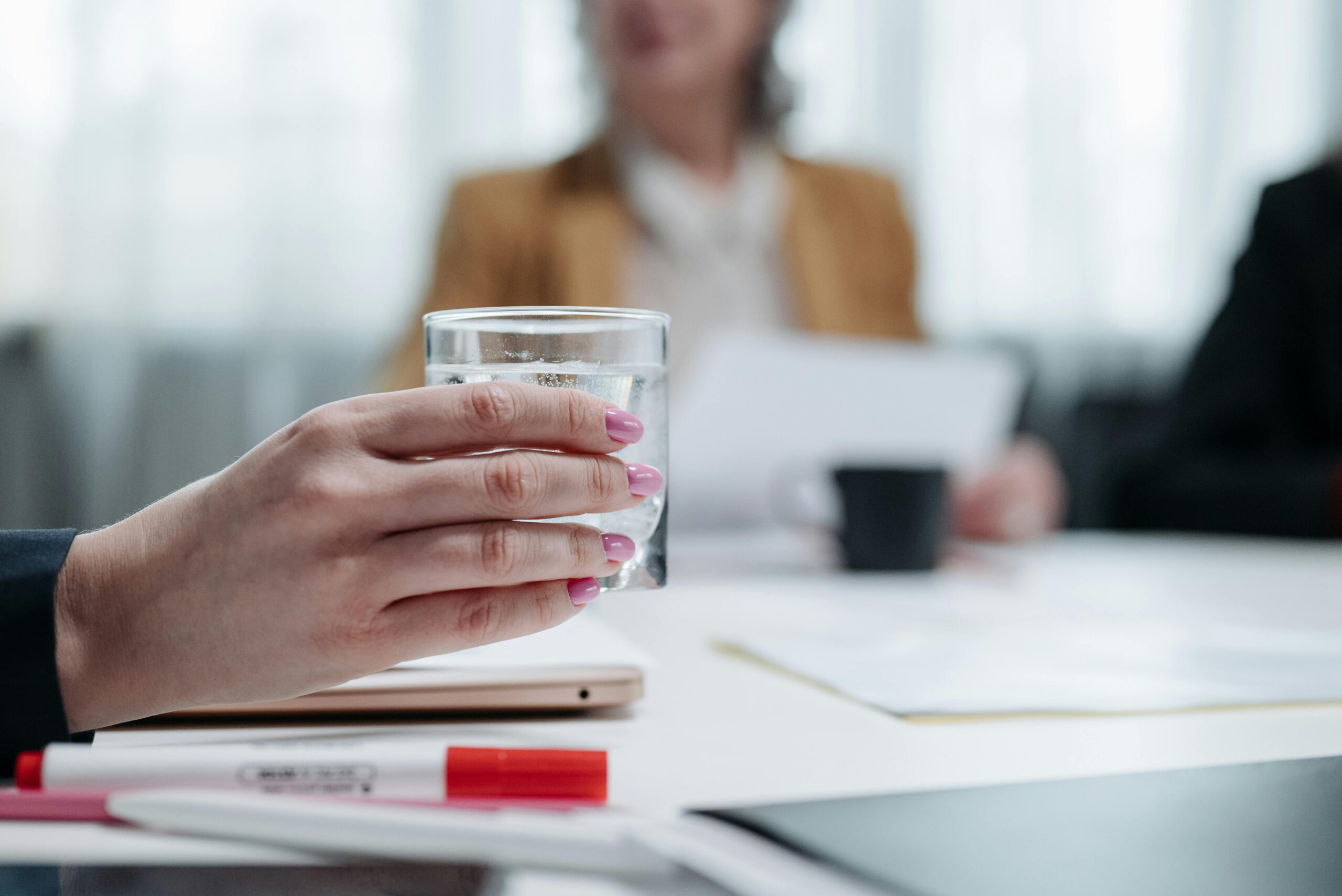
During meetings and collaborative sessions, having water readily accessible serves double duty—maintaining your hydration while providing natural pauses during conversation. This actually improves communication quality by creating space for reflection and preventing the rushed speech patterns that occur when people feel pressured to fill silence.
📊 Measuring Your Hydration Success
The ultimate measure of effective hydration pacing is sustained cognitive performance and energy levels throughout your entire work session. Track these key indicators weekly to assess and refine your approach.
Monitor your focus quality using a simple 1-10 scale at three checkpoints: late morning, mid-afternoon, and evening. Consistent scores above 7 indicate your hydration strategy is supporting sustained performance. Drops below 6 signal the need for adjustments in timing or volume.
Physical indicators provide objective feedback. Urine color should remain pale yellow throughout the day—darker indicates insufficient hydration, while completely clear might indicate overhydration with electrolyte dilution. The frequency of bathroom breaks should stabilize to every 2-3 hours once your body adapts to consistent intake patterns.
Your energy stability matters more than peak energy. A properly hydrated professional maintains 7-8/10 energy consistently rather than spiking to 9/10 then crashing to 4/10. This stability enables reliable output quality throughout extended work sessions.
🌟 Integrating Hydration into Your Performance System
The most successful professionals don’t treat hydration as a separate concern—they integrate it seamlessly into their comprehensive performance system alongside sleep optimization, nutrition timing, and cognitive recovery practices.
Pair your hydration checkpoints with other micro-habits that support sustained performance. When you drink water, also implement eye rest (20-second gaze at distant objects), postural adjustments, or brief breathing exercises. This stacking approach builds a robust self-care rhythm that compounds benefits throughout your workday.
Your hydration pacing plan should evolve as you gather data on what works specifically for your body, work demands, and environment. Start with the frameworks outlined here, then refine based on your subjective experience and performance metrics. The goal isn’t perfect adherence to a rigid schedule—it’s developing intuitive awareness of your body’s needs while maintaining structured support that ensures consistency even during demanding periods.
Remember that mastering focus and energy through strategic hydration is a skill that develops over time. Give yourself at least two weeks of consistent practice before evaluating effectiveness. Your body needs time to adapt to new patterns, and your awareness of the subtle connections between hydration timing and cognitive performance deepens with experience.
The professionals who consistently outperform their peers over the long term aren’t necessarily more talented or working harder—they’re managing their fundamental biological needs more intelligently. Hydration pacing represents one of the highest-leverage optimizations you can make, requiring minimal time investment while delivering substantial returns in sustained cognitive capability and overall work quality.