In our screen-dominated world, blue light has become a hot topic of concern. From smartphones to laptops, we’re constantly exposed to this high-energy visible light, sparking debates about its real impact on our health.

The conversation around blue light often swings between alarming warnings and dismissive reassurances. Understanding the science behind blue light exposure is crucial for making informed decisions about your digital habits and overall wellbeing. Let’s dive deep into what research actually tells us and explore practical strategies you can implement today.
🔵 What Exactly Is Blue Light and Where Does It Come From?
Blue light is part of the visible light spectrum, with wavelengths between 380 and 500 nanometers. This high-energy visible (HEV) light sits just below ultraviolet on the electromagnetic spectrum, carrying more energy than other visible light colors.
The sun is actually the largest source of blue light exposure we encounter daily. However, our modern lifestyle has introduced numerous artificial sources that extend our exposure well beyond daylight hours. LED lights, fluorescent bulbs, computer monitors, smartphones, tablets, and television screens all emit significant amounts of blue light.
What makes digital device exposure particularly concerning isn’t necessarily the intensity—it’s the proximity and duration. We hold smartphones inches from our faces for hours daily, creating extended exposure periods that our ancestors never experienced.
The Circadian Connection: How Blue Light Affects Your Sleep 😴
This is where science provides the clearest evidence: blue light significantly impacts our circadian rhythm—the internal biological clock regulating our sleep-wake cycle. This isn’t myth; it’s well-established fact.
Blue light wavelengths suppress melatonin production more powerfully than any other light color. Melatonin is the hormone that signals your body when it’s time to sleep. When your eyes detect blue light, your brain interprets this as daytime, delaying melatonin release and keeping you alert.
Research from Harvard University found that blue light suppresses melatonin for about twice as long as green light and shifts circadian rhythms by twice as much. Evening exposure to screens can delay sleep onset by up to three hours in some individuals, creating a cascade of health consequences.
The Evening Screen Problem
Using devices before bedtime doesn’t just delay when you fall asleep—it affects sleep quality throughout the night. Studies show that people who use electronic devices before bed experience less REM sleep, wake up feeling less refreshed, and show decreased alertness the following morning.
The impact compounds over time. Chronic sleep disruption linked to evening blue light exposure has been associated with increased risks of obesity, diabetes, cardiovascular disease, and mood disorders. Your nightly scrolling habit might be more consequential than you realize.
Separating Eye Health Myths from Reality 👁️
While the sleep connection is scientifically solid, claims about blue light causing permanent eye damage are more controversial and require careful examination.
Myth: Blue Light from Screens Causes Macular Degeneration
This widespread concern lacks strong scientific support for typical screen use. While laboratory studies show that intense blue light can damage retinal cells, the light intensity from screens is far below these threshold levels. The American Academy of Ophthalmology states there’s no scientific evidence that blue light from digital devices causes eye damage.
Sunlight exposure delivers significantly more blue light than any screen. If you’re concerned about blue light and retinal health, UV protection when outdoors matters far more than screen filters.
Fact: Digital Eye Strain Is Real (But Blue Light Isn’t the Only Culprit)
Many people experience eye discomfort after extended screen time—dry eyes, blurred vision, headaches, and eye fatigue. While often attributed to blue light, these symptoms primarily result from other factors related to screen use.
When focusing on screens, we blink less frequently—about half as often as normal. This reduced blinking causes tear film instability and dry eyes. Additionally, prolonged near-focus work strains eye muscles, and poor posture compounds the problem.
Blue light may contribute to discomfort, but it’s not the main villain. The collective behavior of intensive screen use creates the problem.
Practical Protection Strategies That Actually Work 💡
Understanding the nuances allows for effective, evidence-based protective measures rather than relying on marketing hype.
The 20-20-20 Rule: Your Best Defense
This simple technique addresses multiple causes of digital eye strain. Every 20 minutes, look at something 20 feet away for at least 20 seconds. This practice relaxes your eye muscles, encourages blinking, and provides mental breaks.
Setting regular reminders helps establish this habit. Many productivity apps include break reminder features that can support this practice.
Optimize Your Screen Settings
Most modern devices include built-in blue light reduction features. iOS devices have Night Shift, Android phones offer Blue Light Filter, and Windows 10 and 11 include Night Light. These features reduce blue light emission by shifting display colors toward the warmer, yellow-red end of the spectrum.
Enabling these features 2-3 hours before bedtime can significantly improve sleep quality. Many devices allow scheduling, automatically activating filters at sunset.
Consider Blue Light Filtering Software
For computers, dedicated software like f.lux provides more comprehensive control than built-in options. These programs adjust color temperature based on time of day and your location, creating gradual transitions that feel more natural.
The key is consistency. Occasional use provides limited benefit—make it part of your evening routine for meaningful impact.
The Blue Light Glasses Debate
Blue light blocking glasses have become a booming industry, but what does research actually show? The evidence is mixed and somewhat disappointing for manufacturers.
A 2017 review in Ophthalmic and Physiological Optics found insufficient evidence to support blue light blocking lenses for reducing eye strain. A 2021 Cochrane review similarly concluded that blue light filtering lenses probably make little or no difference to eye strain symptoms.
However, some people report subjective improvements in comfort and sleep. If you find them helpful, there’s no harm in using them—just don’t expect miraculous results. They’re not a substitute for good screen habits.
Creating an Eye-Friendly Digital Environment 🖥️
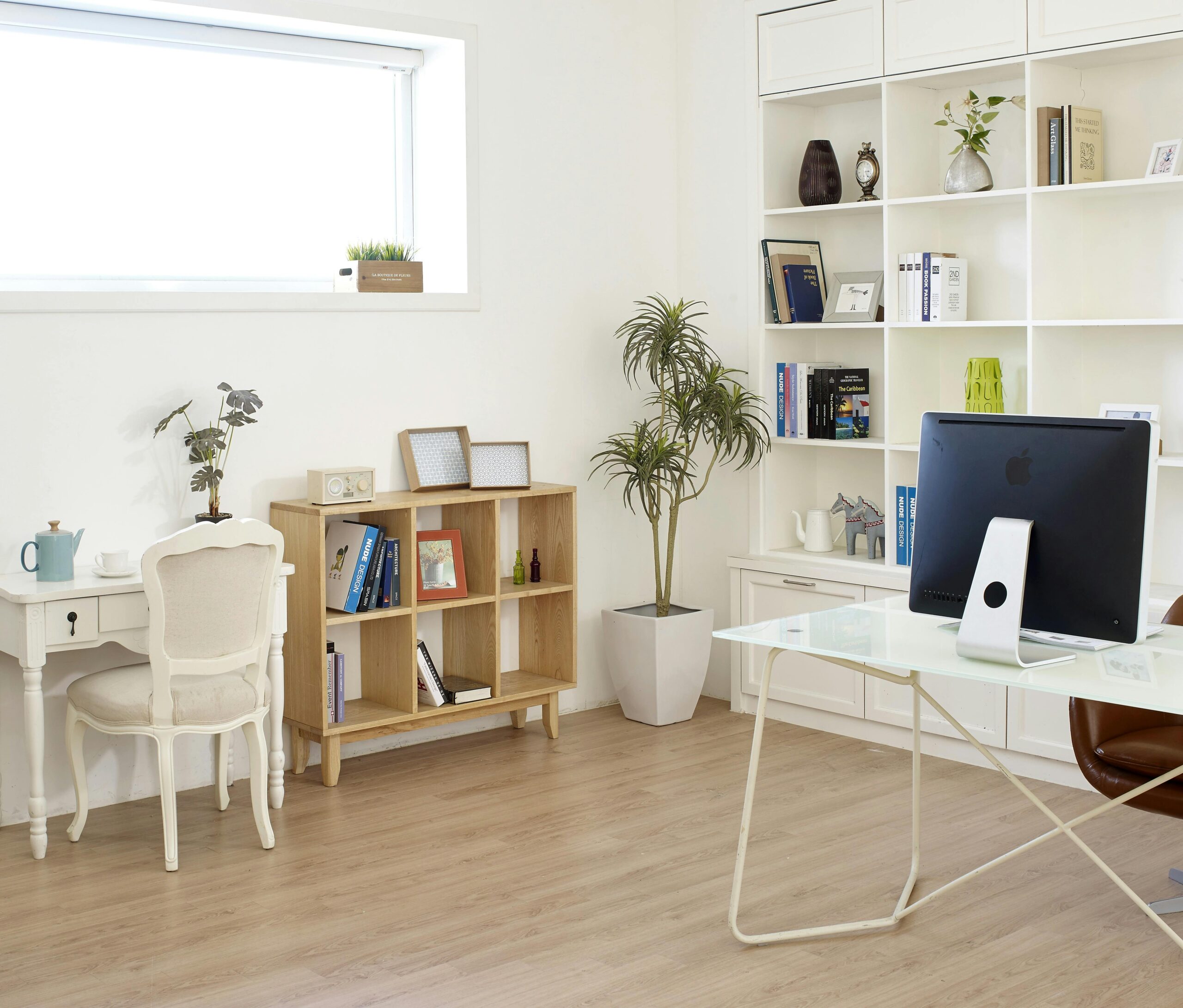
Your workspace setup significantly impacts eye comfort and strain levels.
Lighting Matters More Than You Think
Position your screen to minimize glare from windows and overhead lights. Ideally, ambient lighting should be about half as bright as your screen. Too much contrast between screen brightness and surroundings causes strain.
Consider using desk lamps with adjustable brightness rather than harsh overhead lighting. Warm-toned bulbs in the evening support better sleep preparation than cool, blue-heavy LEDs.
Screen Position and Distance
Your monitor should be about arm’s length away—roughly 20-28 inches from your eyes. The top of the screen should be at or slightly below eye level, allowing you to look slightly downward.
For smartphones and tablets, hold devices at least 16 inches from your face. This distance reduces accommodation strain on your eye muscles.
Adjust Brightness and Text Size
Your screen shouldn’t be the brightest object in your environment. Match screen brightness to your surroundings for optimal comfort. Many people keep screens far too bright, especially in dim environments.
Don’t hesitate to increase text size. Squinting to read small text accelerates eye fatigue and contributes to headaches. Comfortable reading shouldn’t require strain.
Building Better Sleep Hygiene Beyond Blue Light 🌙
While managing blue light exposure helps, comprehensive sleep hygiene involves multiple factors.
Establish a Digital Sunset
Set a specific time each evening when you disconnect from screens—ideally 1-2 hours before bed. This “digital sunset” allows melatonin production to begin naturally and helps your mind wind down.
Replace screen time with reading physical books, light stretching, meditation, or conversation. These activities support the transition to sleep without circadian disruption.
Create Environmental Cues
Your brain responds to environmental consistency. Dim lights progressively throughout the evening. Keep your bedroom cool, dark, and dedicated to sleep (not work or entertainment).
If you must use devices in the evening, enable blue light filters and reduce screen brightness significantly. Every bit of reduction helps.
Morning Light Exposure Is Equally Important
Circadian rhythm isn’t just about avoiding light at night—it requires bright light exposure in the morning. Getting natural sunlight within an hour of waking helps anchor your circadian clock and improves nighttime sleep quality.
Even 15-20 minutes of morning outdoor time or sitting near a sunny window provides benefits. This morning light exposure makes you more resilient to evening light disruption.
Special Considerations for Children and Adolescents 👶
Young people face unique vulnerabilities regarding blue light exposure and screen time.
Children’s eyes transmit more blue light to the retina than adult eyes because their lenses are clearer. While this doesn’t necessarily mean greater damage risk, it does mean their circadian systems may be more sensitive to evening screen exposure.
Sleep is particularly crucial during developmental years. Insufficient sleep in children and teens correlates with academic difficulties, emotional regulation problems, and physical health issues. Establishing healthy screen boundaries early creates lifelong habits.
The American Academy of Pediatrics recommends no screens one hour before bedtime for children. For teens, whose circadian rhythms naturally shift later, evening screen use compounds existing sleep challenges.
When to Actually Worry: Real Warning Signs 🚨
While routine screen use doesn’t cause permanent eye damage, certain symptoms warrant professional attention.
Consult an eye care professional if you experience persistent eye pain, sudden vision changes, frequent headaches, double vision, or symptoms that don’t improve with rest. These could indicate underlying conditions unrelated to blue light exposure.
Regular comprehensive eye exams remain important regardless of screen habits. Many eye conditions develop gradually without obvious symptoms until significant progression occurs.
The Balanced Perspective: Living Realistically in a Digital World 🌍
Complete screen avoidance isn’t realistic or necessary for most people. The goal is informed, balanced usage that minimizes negative impacts while maintaining the benefits technology provides.
Understanding that blue light primarily affects sleep rather than causing direct eye damage helps prioritize interventions appropriately. Focus your protective efforts on evening hours when circadian disruption matters most.
For daytime screen use, address digital eye strain through ergonomics, break habits, and proper lighting rather than obsessing over blue light filters. The 20-20-20 rule provides more benefit than expensive glasses.
Technology isn’t inherently harmful—it’s how and when we use it that determines health outcomes. Thoughtful habits transform potential problems into manageable concerns.

Your Action Plan: Starting Today 📋
Implement these evidence-based strategies to protect your eyes and sleep quality:
- Enable automatic blue light filters on all devices, scheduled to activate 2-3 hours before bedtime
- Set recurring 20-minute reminders to practice the 20-20-20 rule during screen work
- Establish a digital sunset time and stick to it consistently
- Optimize workspace lighting and screen positioning for reduced glare and comfortable viewing
- Get bright light exposure within an hour of waking each morning
- Adjust screen brightness to match your environment throughout the day
- Keep screens at appropriate distances—arm’s length for monitors, 16+ inches for phones
- Make your bedroom a screen-free zone dedicated to sleep
Small, consistent changes create meaningful improvements over time. You don’t need to implement everything simultaneously—start with one or two strategies and build from there.
Blue light isn’t the screen villain it’s often portrayed to be, but it does significantly impact sleep when exposure occurs at the wrong times. Digital eye strain is real, but it results from multiple factors beyond just blue light wavelengths. Armed with accurate information and practical strategies, you can enjoy technology’s benefits while protecting your eyes and sleep. The key is mindful usage patterns that align with your body’s natural rhythms, creating harmony between modern digital life and timeless biological needs.