
Living with migraines means being mindful of every food choice you make. The right snacks can keep you energized without triggering painful episodes, while the wrong ones might leave you reaching for pain medication.

For migraine sufferers, snacking isn’t just about satisfying hunger—it’s a delicate balance between nourishment and prevention. Understanding which foods to embrace and which to avoid can dramatically improve your quality of life. This comprehensive guide will walk you through dozens of delicious, migraine-safe snack options that won’t compromise your health or your taste buds.
🧠 Understanding Migraine Food Triggers: The Science Behind Safe Snacking
Before diving into specific snack recommendations, it’s essential to understand why certain foods trigger migraines. The most common culprits include tyramine, histamine, nitrates, monosodium glutamate (MSG), and artificial sweeteners. These compounds can affect blood vessel dilation, neurotransmitter levels, and inflammatory responses in sensitive individuals.
Tyramine forms naturally when proteins break down in aged, fermented, or spoiled foods. Aged cheeses, cured meats, and fermented products contain high tyramine levels. Histamine, another natural compound, accumulates in similar foods and can trigger headaches in people with histamine intolerance.
Blood sugar fluctuations also play a significant role in migraine development. Skipping meals or going too long between snacks can cause drops in blood glucose that trigger headaches. This makes strategic snacking throughout the day particularly important for migraine prevention.
🍎 Fresh Fruit Options: Nature’s Migraine-Friendly Treats
Fresh fruits offer natural sweetness, fiber, and essential nutrients without common migraine triggers. However, not all fruits are created equal when it comes to headache prevention.
Best Fruit Choices for Migraine Sufferers
Apples rank among the safest options, providing satisfying crunch and natural sweetness. Pair apple slices with sunflower seed butter for added protein and sustained energy. Pears offer similar benefits with a softer texture and different flavor profile.
Berries, particularly blueberries, strawberries, and blackberries, pack antioxidants and anti-inflammatory compounds. They’re low in natural sugars compared to tropical fruits and can be eaten fresh, frozen, or lightly cooked. A bowl of mixed berries with a dollop of plain yogurt makes an excellent mid-afternoon snack.
Watermelon and cantaloupe provide hydration along with nutrients. Since dehydration commonly triggers migraines, these water-rich fruits serve double duty. Cut them into convenient cubes and store in airtight containers for grab-and-go convenience.
Grapes offer portable sweetness and come in various colors, each providing different antioxidant profiles. Freeze them for a refreshing frozen treat that’s naturally sweet without added sugars.
Fruits to Approach with Caution
Citrus fruits trigger migraines in some individuals, though reactions vary widely. If you’re uncertain about your tolerance, introduce oranges, grapefruits, and lemons gradually while monitoring symptoms. Bananas contain tyramine levels that increase as they ripen, so stick to slightly underripe bananas if you include them in your diet.
🥜 Protein-Packed Snacks That Won’t Trigger Headaches
Protein helps stabilize blood sugar levels and provides lasting satiety, making protein-rich snacks essential for migraine management. The key is choosing sources without common trigger ingredients.
Nut and Seed Options
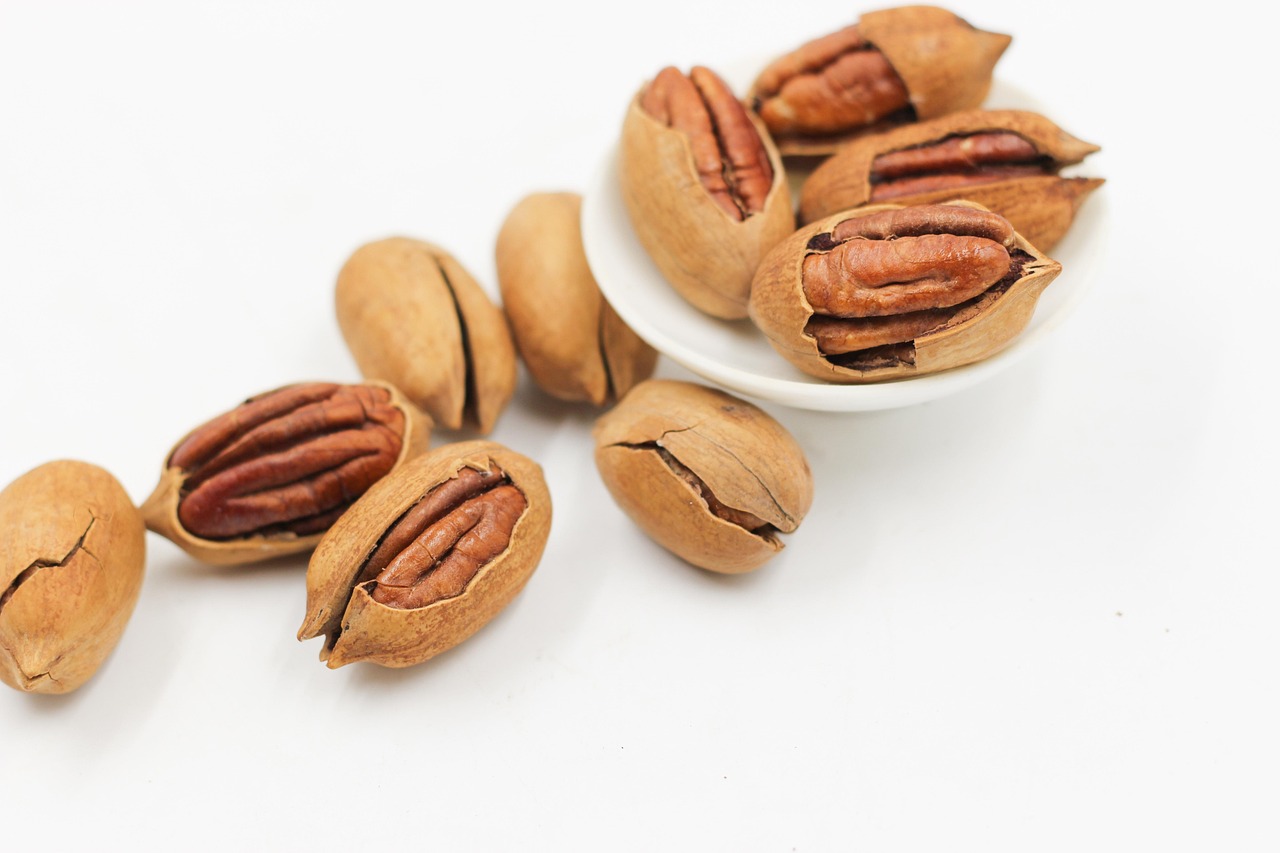
Raw or lightly roasted almonds, cashews, and sunflower seeds provide healthy fats, protein, and minerals like magnesium, which may help reduce migraine frequency. Create your own trail mix combining these nuts with pumpkin seeds and safe dried fruits like apples or pears.
Avoid peanuts, which contain higher tyramine levels than tree nuts. Also skip mixed nuts that include seasonings, as many contain MSG or other flavor enhancers that trigger migraines.
Protein-Rich Alternatives
Hard-boiled eggs make excellent portable snacks rich in protein and B vitamins. Prepare several at the beginning of the week for convenient options throughout your busy days. Season with plain salt and pepper rather than complex spice blends that might contain hidden triggers.
Fresh chicken or turkey breast, sliced and rolled with cucumber strips, provides lean protein without the nitrates found in processed deli meats. Cook a batch on Sunday and portion into snack-sized containers.
Hummus made from chickpeas offers plant-based protein and pairs beautifully with fresh vegetables. Make your own to control ingredients, avoiding commercial versions that may contain preservatives or excess citrus.
🥕 Vegetable Snacks: Crunch Without Consequences
Vegetables provide essential nutrients, fiber, and satisfying crunch with minimal migraine risk. Most fresh vegetables are safe choices, making them ideal snack foundations.
Ready-to-Eat Vegetable Options
Carrot sticks offer natural sweetness and satisfying crunch. Pair them with plain cream cheese or a safe hummus for added satisfaction. Celery provides similar crunch with even fewer calories and pairs well with sunflower seed butter.
Cucumber slices with a sprinkle of sea salt make refreshing, hydrating snacks. Bell peppers—especially the sweeter red and yellow varieties—deliver vitamin C and antioxidants. Slice them into strips for dipping or cut into rings for variety.
Cherry tomatoes are generally well-tolerated despite being on some caution lists. If tomatoes don’t trigger your migraines, these bite-sized versions make convenient, nutritious snacks rich in lycopene.
Prepared Vegetable Snacks
Roasted zucchini or summer squash seasoned simply with olive oil and herbs creates a warm, comforting snack. Baked sweet potato rounds topped with a touch of cinnamon satisfy sweet cravings while providing complex carbohydrates.
Snap peas and snow peas offer sweet crunch straight from the bag. Keep them washed and ready in your refrigerator for effortless snacking throughout the week.
🍞 Grain-Based Snacks for Sustained Energy
Whole grains provide complex carbohydrates that release energy gradually, helping maintain stable blood sugar levels. Choose plain options without common trigger additives.
Safe Grain Choices
Rice cakes topped with mashed avocado and a sprinkle of sea salt create a satisfying snack with healthy fats. Choose plain varieties rather than flavored versions that may contain MSG or artificial seasonings.
Oatcakes or plain whole grain crackers pair well with fresh vegetables or safe cheeses. Read labels carefully to avoid hidden triggers like yeast extracts, which contain natural glutamates.
Air-popped popcorn seasoned with olive oil and sea salt satisfies salty, crunchy cravings. Avoid microwave popcorn varieties, which often contain butter flavoring and other additives that may trigger migraines.
Homemade granola using oats, safe nuts, and seeds bound with a touch of honey provides portable energy. Commercial granolas frequently contain chocolate, dried citrus, and artificial ingredients, making homemade versions the safer choice.
🧀 Dairy Snacks: Navigating the Cheese Minefield
Dairy products present particular challenges for migraine sufferers because aged cheeses contain high tyramine levels. However, fresh dairy options remain generally safe and provide valuable calcium and protein.
Migraine-Safe Dairy Choices
Fresh mozzarella cheese contains minimal tyramine and offers mild flavor that pairs well with tomatoes and fresh basil. Ricotta and cottage cheese provide protein-rich options for sweet or savory applications.
Plain yogurt without added fruits or sweeteners makes an excellent snack base. Top with safe fresh fruits and a drizzle of honey for natural sweetness. Greek yogurt offers even more protein for enhanced satiety.
Cream cheese on rice cakes or cucumber slices provides satisfying richness. Choose full-fat versions rather than reduced-fat alternatives, which often contain additional stabilizers and additives.
Cheeses to Avoid
Skip aged cheeses including cheddar, parmesan, blue cheese, Swiss, and brie. The longer cheese ages, the higher its tyramine content becomes. Also avoid processed cheese products containing numerous additives and preservatives.
🍯 Sweet Treats That Won’t Betray You
Sweet cravings don’t disappear just because you have migraines. Fortunately, several naturally sweet options satisfy your sweet tooth without triggering headaches.
Naturally Sweet Snack Ideas
Dates stuffed with almond butter provide concentrated natural sweetness along with fiber and healthy fats. Two or three stuffed dates typically satisfy sweet cravings completely.
Homemade popsicles made from pureed safe fruits and coconut water create refreshing frozen treats. Blend watermelon or strawberries, pour into molds, and freeze for a week’s worth of sweet snacks.
Apple slices spread with sunflower seed butter and a light drizzle of honey mimic the flavor profile of candy apples without refined sugars or artificial ingredients.
Plain dark chocolate in small amounts may be tolerated by some migraine sufferers, though chocolate remains controversial. If you tolerate it well, choose varieties with minimal ingredients—just cocoa and sugar—without added flavors or emulsifiers.
💧 Hydration Stations: Drinks That Support Migraine Prevention
While not technically snacks, beverages play crucial roles in migraine prevention. Dehydration is a leading trigger, making consistent fluid intake essential.
Water remains your best choice, but plain water can feel monotonous. Infuse it with cucumber slices, watermelon chunks, or fresh mint for subtle flavor without trigger ingredients. Herbal teas like chamomile, ginger, or peppermint provide variety and may offer additional benefits for headache prevention.
Coconut water provides natural electrolytes for enhanced hydration. Choose varieties without added sugars or flavors. Fresh vegetable juices made from safe vegetables like carrots, cucumbers, and celery deliver nutrients in liquid form.
Avoid caffeinated beverages beyond your normal intake, as caffeine withdrawal can trigger migraines. Similarly, steer clear of artificially sweetened drinks, which contain aspartame and other sweeteners linked to headaches.
📋 Creating Your Personal Migraine-Safe Snack Arsenal
Building a reliable collection of safe snacks requires planning but pays dividends in migraine prevention and quality of life. Start by identifying your personal triggers through careful food journaling, as individual sensitivities vary considerably.
Meal Prep Strategies for Snack Success
Dedicate time each week to prepare snack components. Wash and cut vegetables, portion nuts and seeds into small containers, prepare hard-boiled eggs, and create snack-sized fruit portions. This preparation removes barriers to healthy choices when hunger strikes.
Store prepared snacks in clear containers so you can easily see your options. Keep both refrigerated and shelf-stable options available for variety and convenience.
Create snack stations in your home, office, and car. Stock each location with non-perishable options like nuts, rice cakes, and dried safe fruits so you’re never caught without appropriate choices.
Building Balanced Snacks
The most satisfying and blood-sugar-stabilizing snacks combine multiple macronutrients. Pair carbohydrates with protein or healthy fats for sustained energy. Examples include apple slices with almond butter, rice cakes with mashed avocado, or vegetables with hummus.
Timing matters as much as content. Aim to eat something every three to four hours to maintain stable blood sugar. Set phone reminders if needed until regular snacking becomes habitual.
🛒 Smart Shopping for Migraine-Friendly Snacks
Navigating grocery stores and reading labels becomes crucial when managing migraines through diet. Manufacturers hide trigger ingredients under various names, making vigilance essential.
Label Reading Essentials
Learn alternate names for common triggers. MSG appears as hydrolyzed protein, autolyzed yeast, yeast extract, or natural flavoring. Nitrates hide in “uncured” meats preserved with celery juice or powder, which naturally contains nitrates.
Shorter ingredient lists generally indicate safer products. If you can’t pronounce an ingredient or don’t recognize it as food, consider choosing a simpler alternative.
Shop the store perimeter where fresh, whole foods typically reside. The interior aisles contain more processed foods with potential trigger ingredients.
Safe Packaged Snack Options
Several packaged snacks work for migraine sufferers when chosen carefully. Plain rice cakes, simple whole grain crackers, individual nut butter packets, and unsweetened applesauce cups provide convenient options. Always read labels even on familiar products, as manufacturers occasionally reformulate recipes.
✨ Empowering Your Migraine Management Through Smart Snacking
Managing migraines through dietary choices empowers you to take active control of your health. While identifying safe foods requires initial effort, the resulting reduction in migraine frequency and severity makes this investment worthwhile.
Remember that individual triggers vary significantly. What causes debilitating headaches in one person may be perfectly safe for another. Use this guide as a starting point, then personalize it based on your unique response patterns.
Keep detailed records of what you eat and when migraines occur. Over time, patterns emerge that help you fine-tune your safe food list. Apps designed for migraine tracking can simplify this process considerably.
Don’t let migraine dietary restrictions make you feel deprived. Focus on the abundance of delicious options available rather than limitations. Experiment with new combinations, try unfamiliar safe foods, and develop your personal favorites.
Share your safe snack discoveries with other migraine sufferers. Online communities and local support groups provide valuable spaces for exchanging ideas, recipes, and encouragement. Your perfect snack solution might become someone else’s game-changer.
Living well with migraines means making conscious choices that support your neurological health. With this comprehensive cheat sheet of migraine-safe snacks, you’re equipped to satisfy every craving while protecting yourself from painful triggers. Your journey toward fewer, less severe migraines starts with the very next snack you choose—make it a delicious, trigger-free one! 🎯