In today’s hyper-connected world, our environments constantly bombard us with notifications, bright lights, and endless stimuli. Creating a low-stimulation space isn’t about deprivation—it’s about intentional design that supports your mental clarity and emotional well-being.

Whether you’re neurodivergent, highly sensitive, or simply overwhelmed by modern life’s demands, transforming your environment can dramatically improve your focus, reduce anxiety, and restore your sense of calm. This comprehensive guide will walk you through every essential element of designing a space that nurtures rather than depletes your cognitive resources.
🧠 Understanding Low-Stimulation Environments and Why They Matter
A low-stimulation environment minimizes sensory input that can overwhelm your nervous system. Unlike minimalism, which focuses purely on aesthetics, low-stimulation design considers how every element in your space affects your sensory experience and cognitive load.
Our brains process thousands of stimuli every hour—visual clutter, ambient noise, temperature fluctuations, and digital notifications all compete for our attention. For many people, especially those with ADHD, autism, anxiety disorders, or high sensitivity, this constant barrage leads to sensory overload, decision fatigue, and mental exhaustion.
Research consistently shows that environmental factors directly impact our ability to concentrate, regulate emotions, and maintain productivity. By consciously reducing unnecessary stimulation, you create space for deeper focus, creativity, and genuine relaxation.
🎨 Visual Elements: Calming Your Space Through Intentional Design
Visual stimulation often goes unnoticed until it becomes overwhelming. The colors, patterns, and objects in your field of vision constantly communicate with your brain, either supporting calm or creating subtle stress.
Color Psychology for Reduced Stimulation
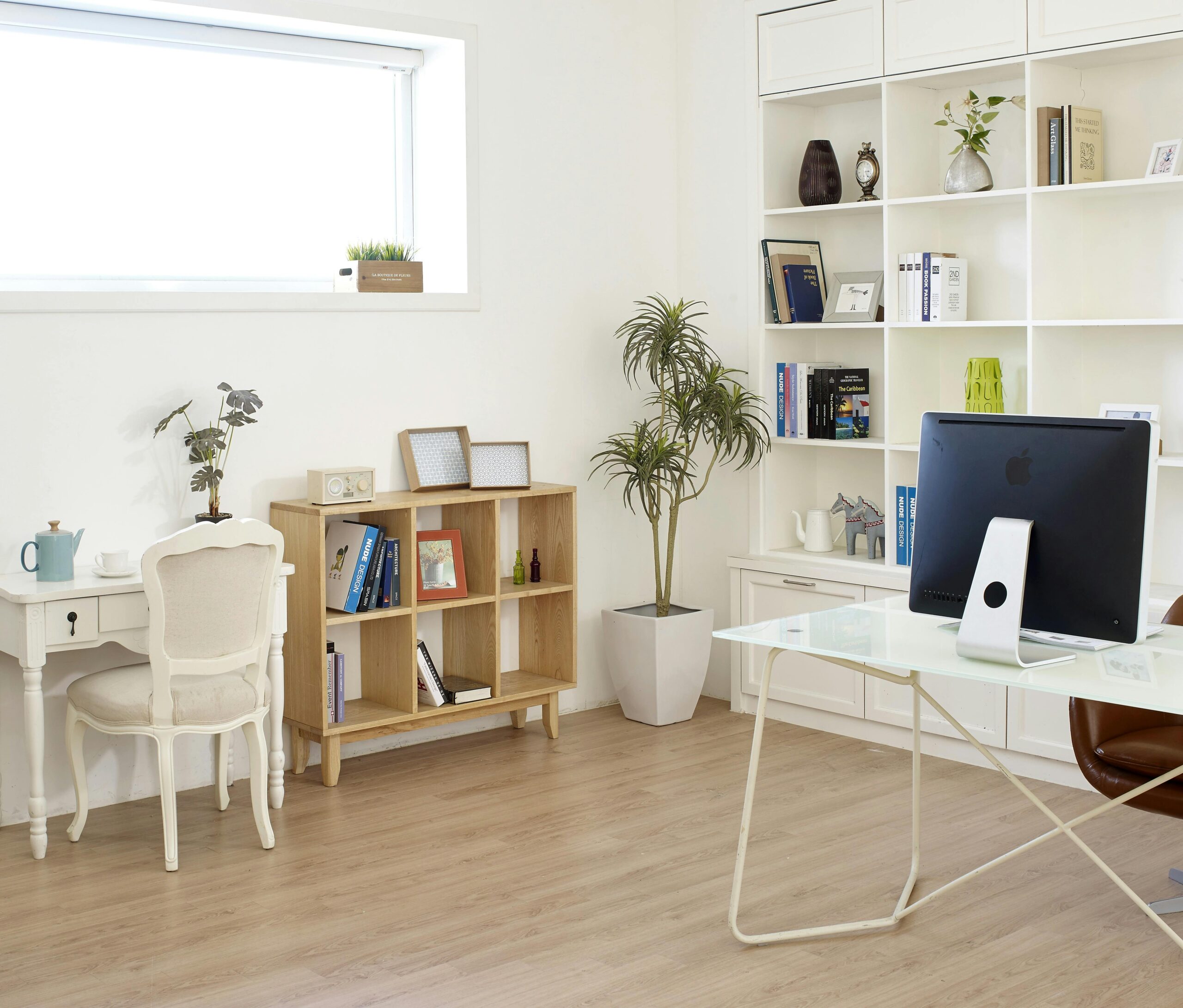
Choose a neutral, muted color palette as your foundation. Soft whites, warm grays, gentle beiges, and muted earth tones create visual rest. These colors don’t demand attention or trigger emotional responses, allowing your mind to settle naturally.
If you crave color, incorporate it strategically through one or two accent pieces rather than painting entire walls in bold hues. Cool tones like sage green, dusty blue, or lavender tend to be naturally calming, while warm neutrals create cozy, grounded feelings.
Decluttering Beyond the Basics
Visual clutter translates directly to mental clutter. Each visible object represents a micro-decision your brain must process, even unconsciously. Apply the “closed storage” principle—everything should have a home behind doors, in drawers, or in uniform containers.
Remove items from visible surfaces until only essential daily-use objects remain. Your workspace should contain only what you’re currently using. Decorative items should be minimal and intentional—one meaningful piece creates calm; ten create visual noise.
Lighting That Supports Your Nervous System
Harsh overhead lighting and blue-spectrum bulbs activate your stress response. Replace bright ceiling fixtures with multiple sources of warm, diffused lighting at different heights. This creates gentle illumination without the glare that strains your eyes and triggers tension.
Invest in dimmable bulbs or smart lights that adjust color temperature throughout the day. Warmer tones (2700-3000K) in evening hours support your circadian rhythm and signal your body to wind down. Avoid fluorescent lighting entirely if possible—its invisible flicker contributes to headaches and agitation.
🔇 Auditory Control: Managing the Soundscape of Your Space
Sound profoundly affects your ability to focus and relax, yet it’s often the most neglected aspect of environment design. Unwanted noise increases cortisol levels, fragments attention, and prevents deep rest even when you think you’ve adapted to it.
Identifying and Eliminating Noise Pollution
Start by mapping your space’s sound sources. Humming appliances, ticking clocks, buzzing lights, outdoor traffic, and neighbor noise all contribute to your sensory load. Address the sources you can control—relocate loud appliances, replace analog clocks with silent versions, and fix buzzing light fixtures.
For sounds beyond your control, strategic soundproofing makes significant differences. Weather stripping on doors, heavy curtains on windows, and area rugs on hard floors all absorb sound waves. Even simple solutions like draft stoppers under doors can dramatically reduce noise transmission.
Intentional Sound and Silence
Complete silence isn’t always calming—for many people, it amplifies internal thoughts or makes environmental sounds more noticeable. White noise, brown noise, or nature sounds can mask disruptive noises while providing consistent, non-demanding audio input.
Choose sounds without sudden variations or recognizable patterns. Ocean waves, gentle rain, or fan sounds work well because they’re predictable and don’t capture your attention. Music with lyrics, podcasts, and varied soundtracks typically increase rather than decrease stimulation.
🌡️ Environmental Comfort: Temperature, Air Quality, and Physical Sensation
Physical discomfort creates constant low-level stress that depletes your mental resources. Temperature extremes, poor air quality, and uncomfortable textures all contribute to sensory overwhelm, even when you’re not consciously aware of them.
Temperature Regulation
Most people concentrate best in environments between 68-72°F (20-22°C). Identify cold spots and drafts in your space, then address them with weather stripping, portable heating, or strategic furniture placement. Similarly, ensure adequate cooling options for warmer months.
Layered climate control works better than single-solution approaches. Combine programmable thermostats, portable fans, heated blankets, and appropriate clothing so you can fine-tune your comfort without drastic environmental changes.
Air Quality and Scent Management
Poor air quality causes fatigue, headaches, and difficulty concentrating. Open windows regularly for fresh air circulation, use air purifiers with HEPA filters, and keep indoor plants that naturally filter toxins from the air.
Eliminate strong artificial fragrances from your space—air fresheners, scented candles, and perfumed cleaning products often contain chemicals that irritate your respiratory system and nervous system. If you enjoy scent, choose one simple, natural essential oil diffused sparingly rather than layering multiple fragrances.
📱 Digital Stimulation: Creating Boundaries in a Connected World
Digital devices represent one of the most significant sources of stimulation in modern environments. Notifications, blue light, and constant connectivity hijack your attention and prevent genuine rest.
Notification Management and Digital Zones
Designate specific areas of your space as device-free zones. Your bed, reading nook, or meditation area should be completely free from screens and their associated stimulation. This physical boundary helps your brain distinguish between active engagement and rest.
Turn off all non-essential notifications. Most apps don’t require immediate responses, yet each ping fragments your attention and triggers a stress response. Batch check emails and messages during designated times rather than responding to constant alerts.
Screen Positioning and Light Management
Position screens below eye level to reduce strain, and maintain at least arm’s-length distance from monitors. Use blue light filters or apps that adjust screen color temperature to reduce artificial stimulation, especially in evening hours.
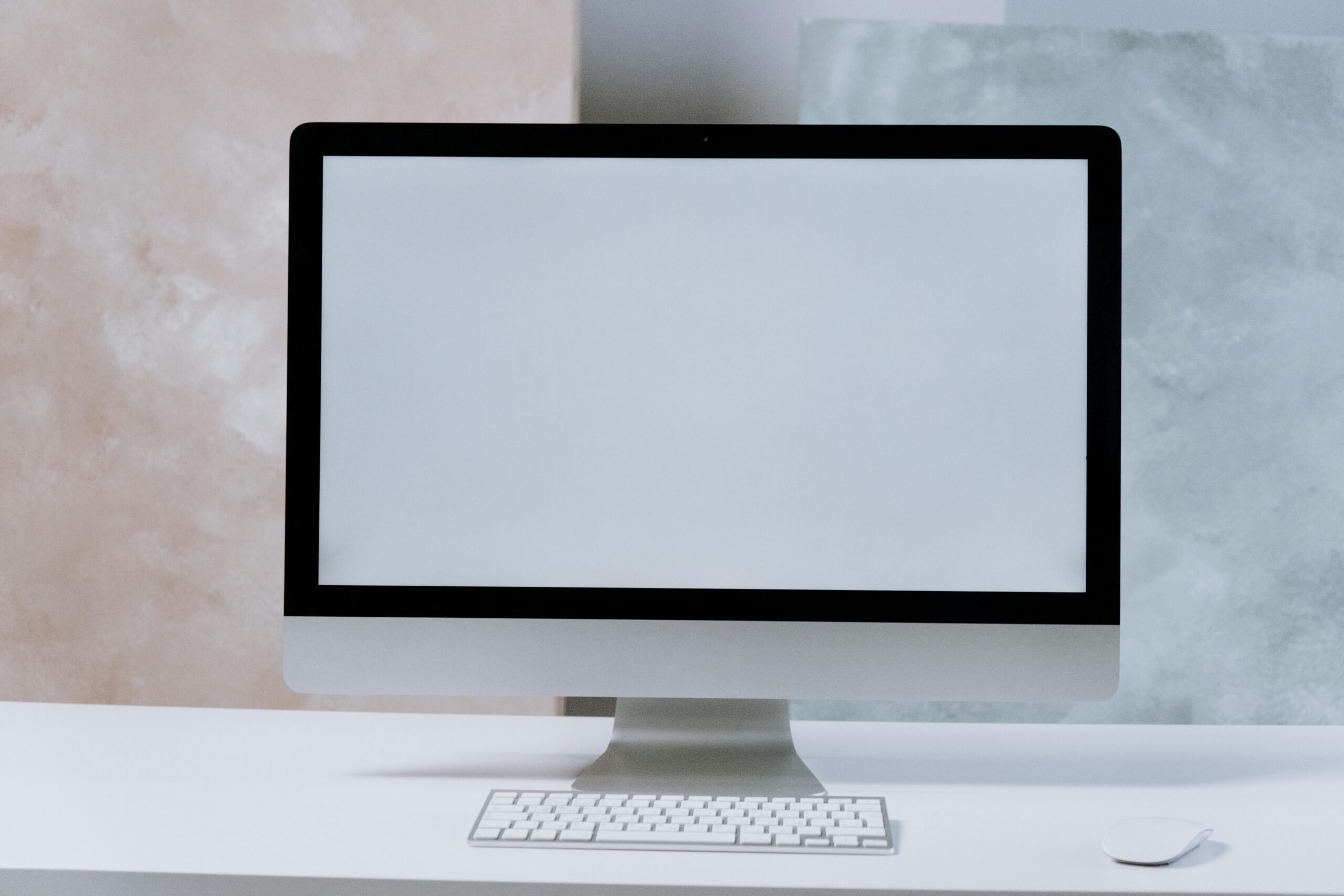
Consider the number of screens visible in your space. Multiple monitors, visible televisions, and glowing displays create visual noise even when turned off. Cover or remove screens you’re not actively using.
🪑 Furniture and Spatial Arrangement for Calm
How you arrange and select furniture significantly impacts your sense of safety, openness, and calm. Ergonomic considerations extend beyond physical comfort to include psychological and sensory factors.
The Psychology of Furniture Placement
Position primary seating with your back to solid walls rather than open spaces or doorways. This “command position” reduces unconscious vigilance, allowing your nervous system to relax. You should be able to see entrances without craning your neck.
Create clear pathways through your space without obstacle courses that require constant navigation decisions. Open flow reduces physical and mental friction, making your environment feel spacious and manageable rather than cluttered and overwhelming.
Texture and Material Selection
Choose furniture and fabrics with consistent, pleasant textures that don’t irritate your senses. Scratchy upholstery, cold metal surfaces, or sticky finishes create subtle discomfort that accumulates throughout the day. Natural materials like wood, cotton, and linen typically feel more soothing than synthetic alternatives.
Avoid busy patterns and complex textures in favor of solid colors and simple weaves. Your furniture should recede into the background rather than demanding visual attention.
🌿 Natural Elements and Biophilic Design
Incorporating natural elements into your space reduces stress and improves cognitive function. Biophilic design recognizes our innate connection to nature and leverages it for wellbeing.
Live plants improve air quality while providing gentle, non-demanding visual interest. Choose low-maintenance varieties like pothos, snake plants, or peace lilies that thrive with minimal care. The act of tending plants also provides grounding, repetitive tasks that calm anxious minds.
Natural materials—wood, stone, clay, natural fibers—create warmth and authenticity that synthetic materials cannot replicate. Even small touches like wooden desk accessories or stone bookends contribute to a more grounded atmosphere.
Maximize natural light exposure while controlling glare with sheer curtains or adjustable blinds. Natural light regulates your circadian rhythm better than any artificial source, supporting both daytime alertness and nighttime sleep.
⏰ Routine and Ritual: The Invisible Structure of Calm Spaces
Physical environment setup works synergistically with temporal structure. Consistent routines reduce decision fatigue and create predictable rhythms that your nervous system finds comforting.
Morning and Evening Transitions
Design your space to support natural transitions between wakefulness and rest. Evening routines might include dimming lights progressively, reducing screen exposure, and engaging in calming activities in designated spaces. Morning routines should gradually increase light and gentle activity.
Create visual cues that signal different modes—a specific chair for reading, a particular corner for meditation, a desk exclusively for focused work. These spatial anchors help your brain shift states without requiring conscious effort.
Maintenance Routines for Sustained Calm
Low-stimulation environments require maintenance. Implement daily five-minute resets where you return items to their homes, wipe surfaces, and restore order. Weekly deeper cleaning prevents accumulation of visual and physical clutter.
Regular audits help you catch stimulation creep—the gradual accumulation of objects, decorations, and distractions that slowly elevate your baseline sensory input. Monthly reviews ensure your space continues serving your needs rather than working against them.
🎯 Personalizing Your Low-Stimulation Space
Cookie-cutter approaches rarely work for sensory needs because everyone’s nervous system responds differently to environmental factors. Your ideal setup requires experimentation and honest self-assessment.
Identifying Your Sensory Profile
Spend time noticing what drains versus energizes you. Do certain colors make you anxious? Does background music help or hinder your focus? Are you temperature-sensitive? Document your observations to identify patterns in your sensory responses.
Consider whether you’re sensory-seeking or sensory-avoiding in different domains. You might need complete auditory quiet but benefit from fidget objects for tactile input. Customize each sensory channel according to your specific needs rather than following generic advice.
Flexible Spaces for Changing Needs
Your optimal stimulation level varies by time of day, energy level, and current task. Design flexibility into your space through adjustable lighting, moveable furniture, and modular elements that transform your environment without complete overhauls.
Create both high-focus zones with minimal input and gentle-stimulation areas where you can engage with carefully chosen sensory experiences. This variety prevents both overstimulation and understimulation, supporting your nervous system’s natural rhythms.
💡 Bringing It All Together: Your Implementation Plan
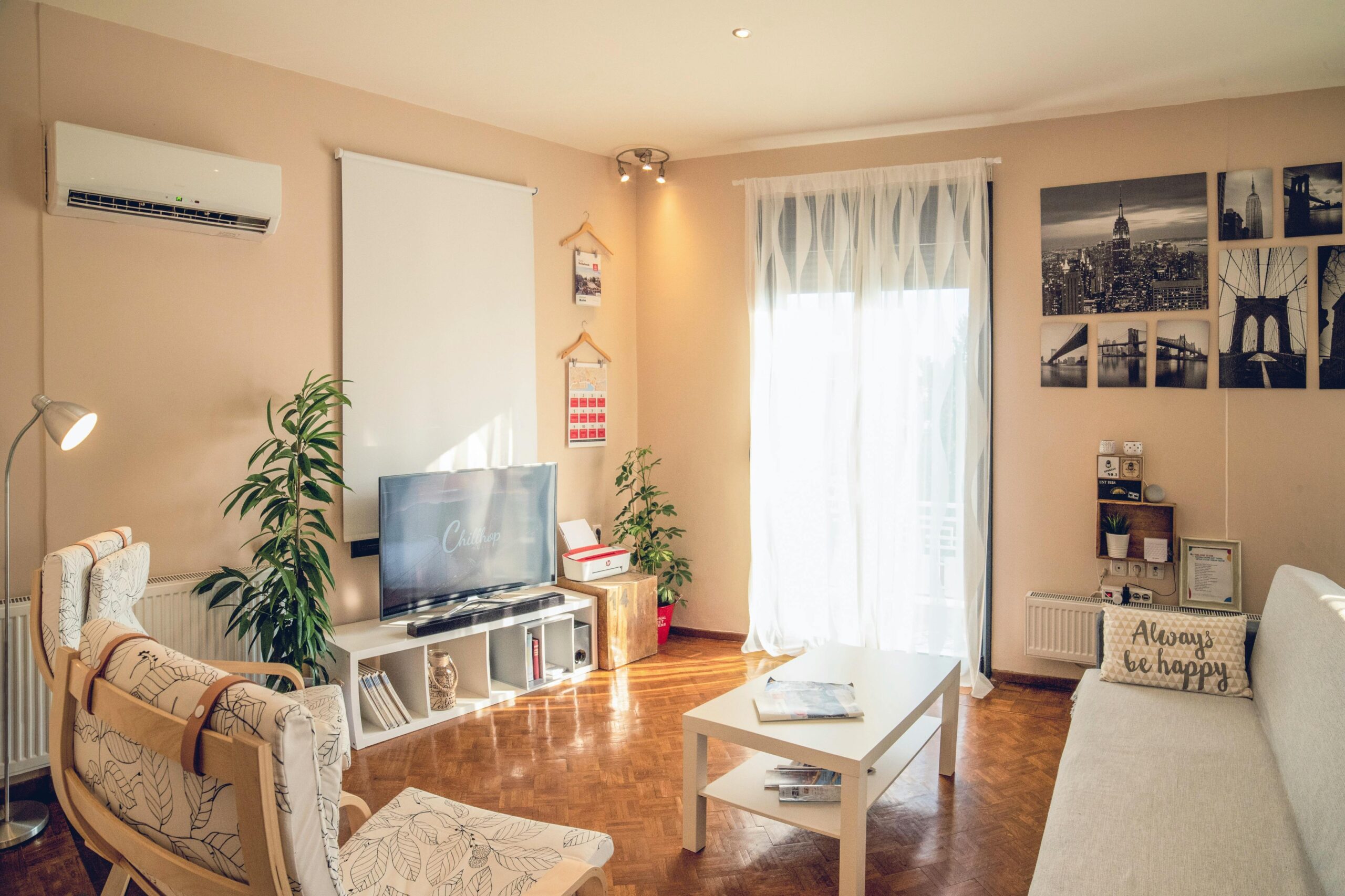
Transforming your space doesn’t require perfection or expensive renovations. Start with the changes that address your most significant stressors, then build progressively toward your ideal environment.
Begin with one category—perhaps visual decluttering or noise reduction—and spend two weeks implementing changes and observing effects. This measured approach prevents overwhelm and helps you distinguish which modifications genuinely improve your experience.
Document your baseline stress levels, focus capacity, and sleep quality before making changes, then track these metrics as you implement modifications. Objective data helps you identify which adjustments provide the most significant benefits for your specific needs.
Remember that low-stimulation doesn’t mean deprivation or sterility. Your space should feel like a sanctuary—personally meaningful while supporting your nervous system’s needs. The goal isn’t to eliminate all stimulation but to curate your environment so every element serves your wellbeing intentionally.
Creating a low-stimulation environment is an ongoing practice rather than a one-time project. As your life circumstances, sensitivities, and needs evolve, your space should adapt accordingly. With thoughtful attention and consistent refinement, your environment becomes a powerful tool for managing stress, enhancing focus, and supporting the calm, centered life you deserve. 🌟