Water is the foundation of life, yet most of us struggle to maintain proper hydration levels throughout the day. Understanding what causes your body’s fluid balance to fluctuate is the key to unlocking sustained energy, mental clarity, and peak physical performance.

Your hydration status isn’t static—it’s constantly changing based on internal and external factors that many people overlook. From the moment you wake up to when you go to sleep, your body experiences dozens of triggers that either deplete or restore your fluid balance. Mastering these fluctuation triggers means you can strategically manage your water intake, optimize your wellness routine, and prevent the cascading effects of dehydration before they impact your daily life.
🌊 The Hidden Science Behind Hydration Fluctuations
Your body loses water continuously through multiple channels, even when you’re sitting still. Breathing alone accounts for significant fluid loss—approximately 300-400 milliliters daily just through respiration. When you add sweating, urination, and digestion into the equation, the average person loses between 2 to 3 liters of water every single day under normal conditions.
What makes hydration truly complex is that these losses aren’t constant. They vary dramatically based on environmental conditions, activity levels, dietary choices, and even emotional states. Your body’s water requirements can double or triple during exercise, hot weather, or illness, yet most people maintain the same drinking habits regardless of these variables.
The cellular level tells an even more fascinating story. Water doesn’t just sit in your stomach—it travels through your digestive system, enters your bloodstream, and eventually makes its way into your cells where the real magic happens. This process, called cellular hydration, determines how efficiently your body performs every single function, from muscle contractions to cognitive processing.
☀️ Environmental Triggers That Drain Your Hydration Reserves
Temperature and humidity are perhaps the most obvious yet frequently underestimated hydration triggers. When temperatures rise above 25°C (77°F), your body activates its cooling mechanisms, primarily through increased perspiration. Many people don’t realize they’re sweating during moderate heat exposure because the moisture evaporates quickly, creating “invisible” water loss.
Air conditioning and heating systems create another hidden challenge. These climate control technologies reduce ambient humidity, causing your respiratory passages to work harder to humidify the air you breathe. Office workers in heavily air-conditioned environments can lose an extra 500-700 milliliters of water daily without any physical exertion.
Altitude presents yet another environmental factor. At elevations above 2,500 meters (8,200 feet), your respiratory rate increases to compensate for lower oxygen levels, resulting in significantly higher fluid loss through breathing. Travelers to mountainous regions often experience symptoms they attribute to altitude sickness when they’re actually experiencing combined effects of dehydration and elevation.
Seasonal Hydration Patterns You Need to Track
Winter dehydration is remarkably common yet widely ignored. Cold weather suppresses your thirst mechanism while heating systems dry out indoor air. Studies show that people drink 40% less water during winter months despite needing nearly the same amount as summer, creating a chronic mild dehydration state that persists for months.
Spring and fall transitions also create hydration challenges as your body adjusts to changing temperatures. These shoulder seasons often feature unpredictable weather patterns that make it difficult to gauge appropriate fluid intake, leading to frequent fluctuations in hydration status.
💪 Physical Activity and Exercise-Induced Dehydration
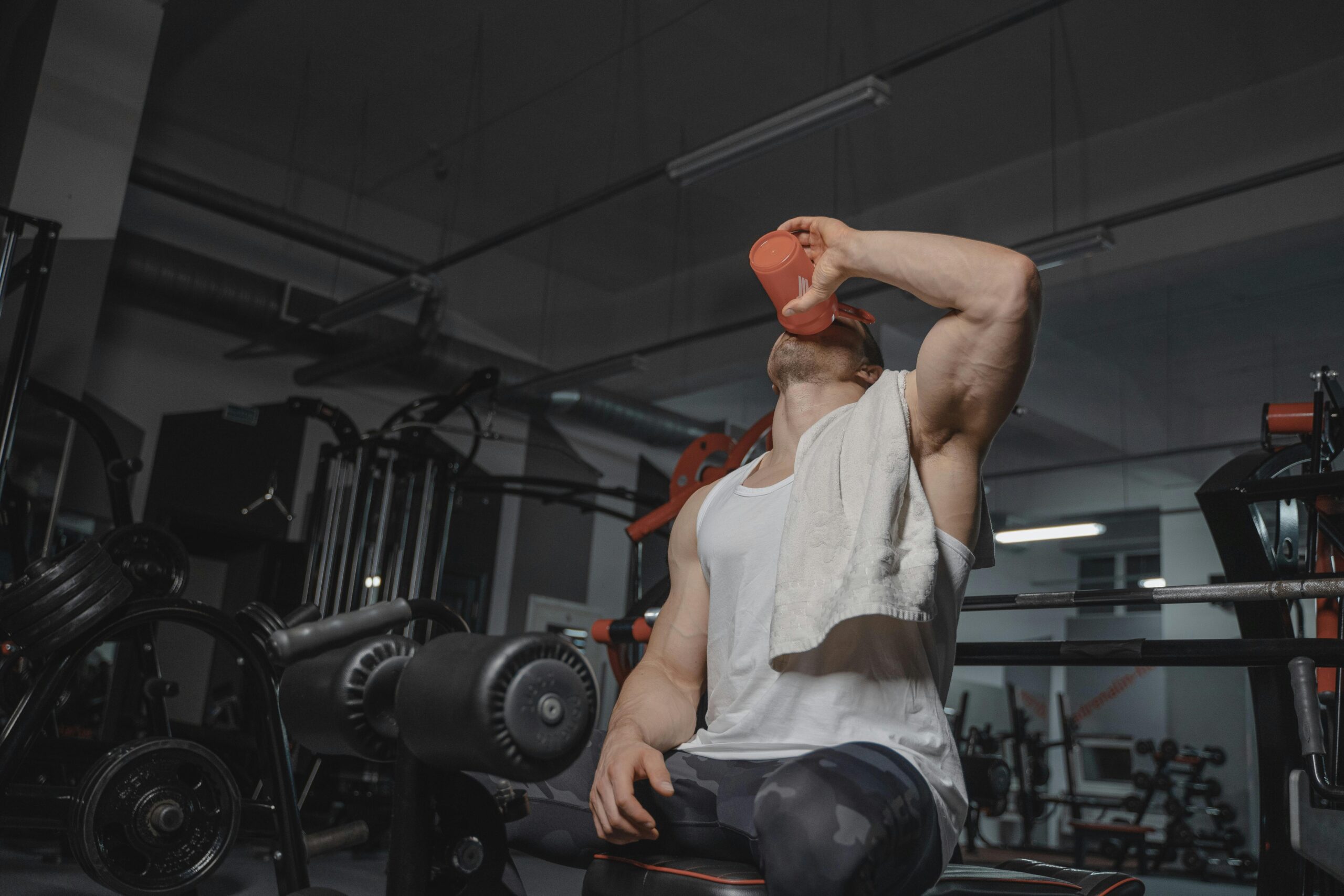
Exercise multiplies your water needs exponentially. Moderate intensity workouts can increase fluid requirements by 500-1,000 milliliters per hour, while high-intensity training or endurance activities may demand 1.5 to 2 liters hourly. The timing of hydration becomes crucial—waiting until you feel thirsty during exercise means you’re already operating at a deficit.
Sweat rates vary tremendously between individuals based on genetics, fitness level, and heat acclimatization. Some athletes produce as little as 0.5 liters of sweat per hour, while others generate over 3 liters during the same activity. Understanding your personal sweat rate allows you to create a customized hydration strategy that matches your unique physiology.
Post-exercise hydration receives insufficient attention despite its critical importance for recovery. Your body continues losing water after workouts through elevated metabolism and ongoing perspiration. Optimal recovery requires consuming 150% of fluid lost during exercise within the following 2-4 hours, not just replacing what you sweated out.
The Pre-Hydration Advantage
Strategic pre-hydration can significantly improve performance and reduce the severity of exercise-induced dehydration. Consuming 400-600 milliliters of water 2-3 hours before physical activity, followed by another 200-300 milliliters 15-20 minutes before starting, creates a hydration buffer that delays the onset of dehydration symptoms.
🍽️ Dietary Factors That Secretly Sabotage Your Hydration
Sodium intake plays a dual role in hydration management. While excessive salt consumption requires additional water for excretion, adequate sodium is essential for maintaining fluid balance. The modern diet typically contains too much processed salt but insufficient natural sodium from whole foods, creating an imbalance that disrupts optimal hydration.
Caffeine’s dehydrating effects are often exaggerated, but the reality is more nuanced. Regular coffee drinkers develop tolerance to caffeine’s mild diuretic effect, making their morning cup nearly hydration-neutral. However, excessive caffeine intake (more than 400mg daily) can still contribute to increased urination and fluid loss, especially in non-habitual consumers.
Alcohol stands as one of the most potent dietary dehydration triggers. It suppresses antidiuretic hormone (ADH), causing your kidneys to flush more water than normal. A single alcoholic beverage prompts your body to eliminate approximately 120 milliliters more urine than the drink’s volume, creating a net fluid deficit that accumulates with continued drinking.
Foods That Enhance or Hinder Hydration
Water-rich foods contribute significantly to daily hydration when incorporated strategically. Cucumbers, watermelon, strawberries, and lettuce contain over 90% water and provide hydration alongside essential nutrients. Building meals around these foods can contribute 20-30% of daily fluid needs while reducing the burden on pure water consumption.
Conversely, highly processed foods, excessive protein intake, and fiber supplements without adequate water can worsen dehydration. Protein metabolism produces urea that requires water for excretion, while fiber absorbs intestinal water, potentially leading to constipation and reduced overall hydration if fluid intake doesn’t increase proportionally.
🧠 Cognitive and Emotional Hydration Triggers
Mental stress activates your sympathetic nervous system, increasing cortisol production and respiratory rate. This stress response accelerates water loss while simultaneously suppressing thirst signals, creating a perfect storm for dehydration. People experiencing chronic stress often exist in a perpetual state of mild dehydration without recognizing the connection between their mental state and physical hydration.
Sleep quality and duration directly impact hydration status. During sleep, your body continues losing water through respiration and minimal perspiration, typically resulting in mild morning dehydration. Poor sleep disrupts hormone regulation, including ADH, potentially increasing nighttime urination and exacerbating fluid loss.
Cognitive performance itself depends heavily on proper hydration. Research demonstrates that dehydration of just 2% body weight impairs concentration, working memory, and reaction time. The brain is approximately 75% water, making it particularly sensitive to even minor fluctuations in hydration status.
📱 Technology-Assisted Hydration Tracking
Modern hydration apps transform abstract recommendations into personalized, actionable guidance. These applications account for multiple variables—body weight, activity level, climate conditions, and individual goals—to calculate customized fluid intake targets that adjust dynamically throughout the day.
Smart water bottles with tracking capabilities take monitoring to the next level by automatically recording consumption and syncing data to your smartphone. These devices eliminate the guesswork from hydration management, providing real-time feedback and gentle reminders when you’re falling behind your target intake.
Wearable Technology and Hydration Monitoring
Advanced fitness trackers now include hydration estimation features that analyze sweat loss based on heart rate, skin temperature, and activity intensity. While not perfectly accurate, these tools provide valuable insights into how your specific workouts affect fluid balance, enabling more precise hydration strategies.
⚕️ Medical Conditions and Medications Affecting Hydration
Numerous medical conditions alter hydration requirements and fluid balance. Diabetes increases urination frequency, while kidney disease affects the body’s ability to concentrate urine. Gastrointestinal conditions like Crohn’s disease or IBS can impair water absorption, and fever increases fluid loss through elevated body temperature and increased respiratory rate.
Medications represent an often-overlooked hydration trigger. Diuretics intentionally increase fluid excretion, requiring compensatory intake increases. Antihistamines, blood pressure medications, and certain antidepressants can cause dry mouth and increased water needs. Even common pain relievers like NSAIDs affect kidney function and fluid regulation when used regularly.
🎯 Creating Your Personalized Hydration Strategy
Effective hydration management begins with understanding your baseline needs. The simplified “8 glasses daily” rule fails to account for individual variation. A more accurate starting point calculates 30-35 milliliters of water per kilogram of body weight, then adjusts based on activity level, climate, and other personal factors.
Urine color remains one of the most practical hydration indicators. Pale yellow indicates proper hydration, while dark amber signals insufficient intake. However, certain vitamins, medications, and foods can affect urine color, so this method works best when combined with other assessment techniques like monitoring thirst levels and tracking energy fluctuations.
Timing Your Hydration for Maximum Benefit
Distributing water intake evenly throughout the day maintains more stable hydration than consuming large volumes infrequently. Drinking 200-300 milliliters every 1-2 hours keeps your body consistently hydrated without overwhelming your kidneys or causing frequent bathroom trips that disrupt daily activities.
Strategic timing around meals also matters. Drinking 250-500 milliliters 30 minutes before eating aids digestion and promotes satiety, while excessive fluid during meals may dilute digestive enzymes. Post-meal hydration should be moderate, allowing 30-60 minutes before resuming regular water intake.
🌟 Advanced Hydration Optimization Techniques
Electrolyte balance deserves equal attention to pure water intake. Sodium, potassium, magnesium, and calcium work synergistically to maintain cellular hydration. During prolonged exercise or in hot climates, replacing these minerals becomes crucial—plain water alone can actually worsen hydration by diluting existing electrolyte concentrations.
Temperature influences how quickly your body absorbs water. Cool fluids (5-15°C or 41-59°F) absorb faster than room temperature water, making chilled drinks preferable during and immediately after exercise. However, extremely cold beverages may cause stomach discomfort in some individuals, requiring personal experimentation to find the optimal temperature.
Hydration Biomarkers Beyond Thirst
Learning to recognize subtle dehydration signs enables proactive intervention before performance declines. Early indicators include difficulty concentrating, mild headaches, reduced coordination, darker urine than usual, and decreased energy levels. Addressing these symptoms immediately prevents progression to more severe dehydration.
🔄 Building Sustainable Hydration Habits
Long-term hydration success requires habit formation rather than willpower. Linking water consumption to existing daily routines creates automatic triggers—drinking water immediately after waking, before each meal, and during specific work breaks transforms hydration from a conscious effort into an unconscious habit.
Environmental design supports consistency. Keeping water visible and accessible in multiple locations—your desk, car, gym bag, and bedroom—eliminates friction and increases consumption frequency. Investing in an appealing, reusable water bottle that you genuinely enjoy using makes hydration feel less like a chore and more like self-care.
Mastering hydration isn’t about perfection—it’s about awareness and adjustment. By understanding the multitude of triggers that affect your fluid balance and implementing strategic responses, you transform hydration from a vague health recommendation into a powerful tool for optimizing wellness and performance. Your body gives you constant feedback about its hydration needs; learning to interpret and respond to these signals unlocks sustained energy, mental clarity, and physical capability that many people never realize they’re missing. Start observing your personal hydration patterns today, experiment with timing and quantity adjustments, and discover how proper fluid management elevates every aspect of your daily life.