Finding the right monitor brightness can mean the difference between a productive workday and a debilitating migraine episode. Screen time has become unavoidable in modern life, making it crucial to optimize your display settings for maximum comfort.

If you’re among the millions who experience light-sensitive headaches, understanding how monitor brightness affects your neurological system is the first step toward relief. Many migraine sufferers unknowingly trigger their symptoms through improper screen settings, spending hours in discomfort that could be easily prevented with the right adjustments.
💡 Understanding the Connection Between Screen Brightness and Migraines
The relationship between light exposure and migraine attacks is well-documented in medical research. Your eyes contain specialized photoreceptors that communicate directly with brain regions responsible for pain processing. When these receptors encounter excessive brightness or rapid fluctuations in light levels, they can trigger the cascade of neurological events that lead to migraine symptoms.
Monitor brightness doesn’t just affect your eyes—it impacts your entire visual processing system. Overly bright screens force your pupils to constrict constantly, creating muscle tension around your eyes. This strain can extend to your temples, forehead, and neck, creating the perfect conditions for a tension-type headache or full migraine episode.
Research indicates that certain wavelengths of light are more problematic for migraine sufferers than others. Blue light, which is abundant in digital displays, has been shown to activate pain pathways more readily than other colors. This makes monitor brightness management particularly important for those with photophobia or light sensitivity.
🎯 The Science Behind Optimal Monitor Brightness
Determining the perfect brightness level isn’t a one-size-fits-all solution. Your ideal setting depends on ambient lighting conditions, the time of day, and your individual sensitivity threshold. However, general guidelines can help you establish a comfortable baseline.
Experts recommend matching your monitor brightness to your surrounding environment. If your screen appears as a light source in your peripheral vision, it’s too bright. Conversely, if you’re squinting to read text, you’ve set it too dim. The goal is seamless integration where your screen doesn’t stand out from your workspace.
The 20-20-20 rule complements brightness optimization: every 20 minutes, look at something 20 feet away for 20 seconds. This practice helps reset your visual system and reduces the cumulative strain that contributes to migraine development.
Measuring Brightness: Understanding the Numbers
Monitor brightness is typically measured in candelas per square meter (cd/m²) or nits. Most modern displays range from 200 to 400 nits, with gaming and HDR monitors reaching 600 nits or higher. For migraine sufferers, staying in the 100-200 nit range often provides the most comfort during extended work sessions.
Your operating system’s brightness percentage doesn’t directly correlate to actual luminance output. A 50% setting on one monitor might emit completely different light levels than the same percentage on another display. This variance makes it essential to adjust based on perception rather than arbitrary numbers.
🌅 Adapting Brightness Throughout the Day
Your brightness needs change dramatically as natural light levels shift. What feels comfortable at noon might be glaringly bright at midnight. Dynamic brightness adjustment—either manual or automated—is essential for maintaining migraine-friendly viewing conditions.
Morning hours typically require higher brightness settings to match increasing natural light. As you transition into your workspace, gradually increase screen brightness to match office lighting. This prevents the jarring contrast that occurs when switching from dim to bright environments.
Afternoon presents peak brightness challenges. Sunlight streaming through windows can create glare and force you to compensate with higher screen brightness. Consider using curtains, blinds, or monitor hoods to control ambient light rather than cranking up your display unnecessarily.
Evening and Night Viewing Strategies
Evening sessions demand the most dramatic brightness reductions. As ambient light decreases, your pupils naturally dilate, making your eyes more sensitive to screen emission. Reducing brightness by 50-75% compared to daytime settings helps prevent evening-triggered migraines.
Night mode or blue light filtering features become essential after sunset. These settings shift your display’s color temperature toward warmer tones, reducing the blue light exposure that interferes with circadian rhythms and triggers photosensitivity.
🔧 Practical Steps to Optimize Your Monitor Settings
Implementing brightness optimization requires systematic adjustment and testing. Begin by accessing your monitor’s on-screen display (OSD) menu using the physical buttons on your device. Navigate to brightness settings and note your current level before making changes.
Start with a white webpage or document displayed in full screen. Reduce brightness until the white background no longer appears to glow or emit light. The page should look like a printed sheet of paper rather than a light source. This provides your baseline setting.
Test this setting across different applications and content types. Video playback, photo editing, and document work each present different demands. You may need to create preset configurations for different activities, switching between them as your tasks change throughout the day.
Software Solutions for Brightness Management
Operating systems include built-in brightness controls, but third-party applications offer more sophisticated management. These tools can automatically adjust brightness based on time, ambient light sensors, or custom schedules you create.
Windows users benefit from Night Light features, while macOS offers True Tone technology on compatible devices. Both systems attempt to match screen output to environmental conditions, though manual fine-tuning often achieves better results for migraine prevention.
⚡ Beyond Brightness: Complementary Display Settings
While brightness is crucial, other monitor settings significantly impact migraine frequency. Contrast, color temperature, and refresh rate all contribute to overall visual comfort and should be optimized alongside brightness levels.
Contrast ratio determines the difference between the darkest and brightest elements on screen. Excessive contrast creates stark differences that force your eyes to constantly readjust, triggering strain. Reduce contrast to 60-70% of maximum for softer transitions between light and dark elements.
Color temperature affects how warm or cool your display appears. Standard settings around 6500K approximate natural daylight, but migraine sufferers often find relief by reducing this to 5500K or lower. Warmer color temperatures reduce blue light emission and create a gentler viewing experience.
Refresh Rate and Flicker Considerations
Older monitors and some LED displays use pulse-width modulation (PWM) to control brightness, creating imperceptible flicker that can trigger migraines in sensitive individuals. Look for flicker-free monitors or those with high refresh rates above 75Hz to minimize this effect.
Screen refresh rate determines how many times per second your display updates. Higher refresh rates (120Hz, 144Hz, or 240Hz) provide smoother motion and can reduce eye strain during scrolling or video playback, potentially decreasing migraine triggers.
🏠 Optimizing Your Viewing Environment
Your monitor doesn’t exist in isolation—the surrounding environment dramatically impacts how brightness affects your migraine susceptibility. Strategic workspace design amplifies the benefits of proper brightness settings and creates a holistic approach to light management.
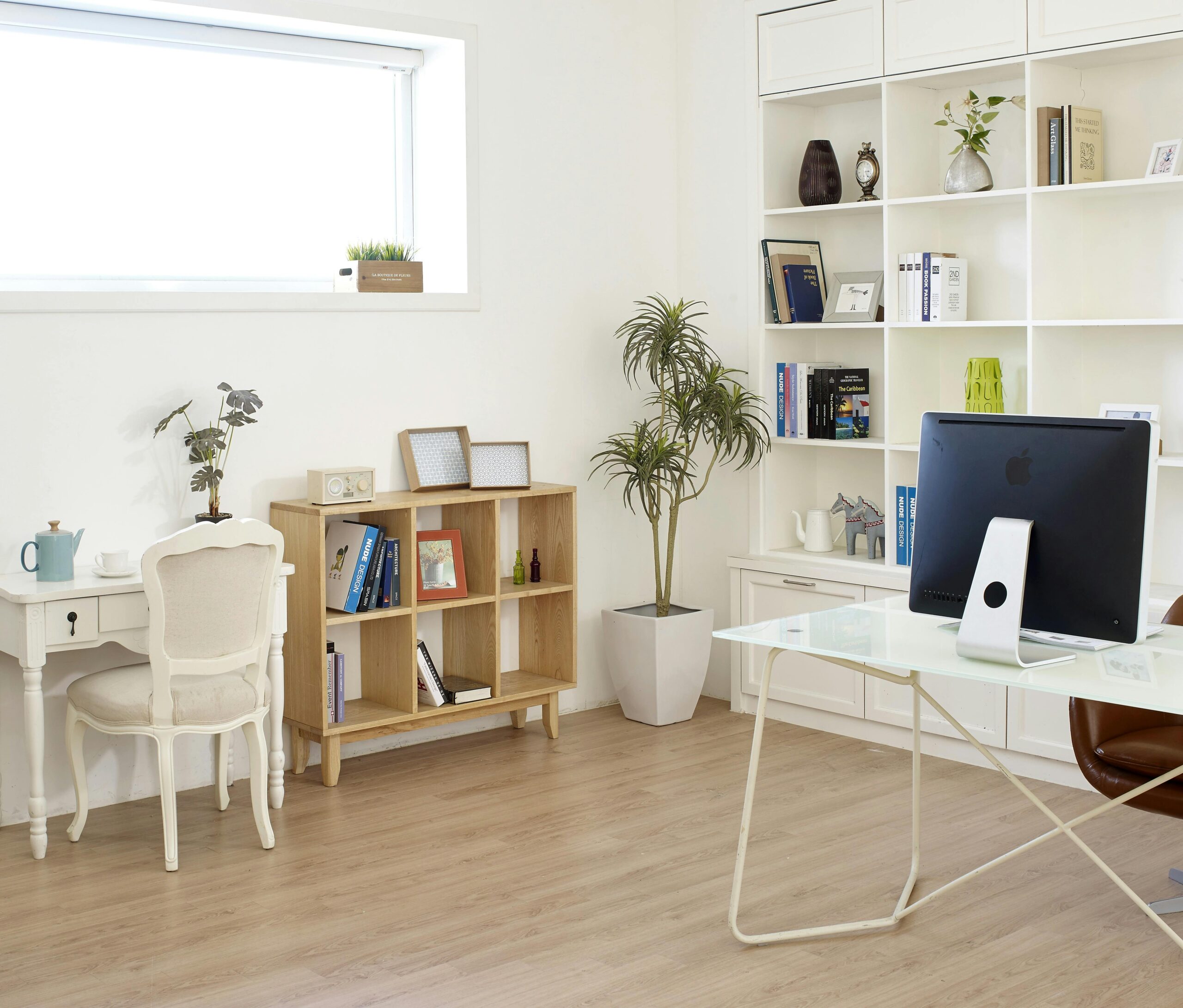
Position your monitor perpendicular to windows rather than directly facing or backing them. This arrangement minimizes glare while preventing backlighting situations where you’re silhouetted against bright windows. If repositioning isn’t possible, invest in quality window treatments to control natural light.
Ambient lighting should complement your screen brightness rather than compete with it. Bias lighting—a soft light source behind your monitor—reduces contrast between the screen and surrounding darkness, easing eye strain. LED strips with adjustable color temperature work excellently for this purpose.
Ergonomic Positioning for Reduced Strain
Monitor height and distance affect how your eyes process screen brightness. Position your display at arm’s length with the top edge at or slightly below eye level. This arrangement reduces the surface area your pupils must process, minimizing the brightness impact on your visual system.
Viewing angle matters more than many realize. Sit directly in front of your monitor rather than at an angle. Off-center viewing causes uneven brightness perception and forces your eyes to work harder to interpret content, contributing to cumulative strain.
📊 Tracking and Adjusting Your Settings
Migraine management requires systematic observation and adjustment. Keep a simple log tracking your brightness settings, environmental conditions, and any migraine symptoms that develop. This data reveals patterns that help you refine your optimal configuration.
Document your settings at different times of day and in various lighting conditions. Note the brightness percentage, contrast level, and color temperature alongside any discomfort you experience. After two weeks, patterns typically emerge showing which configurations work best for your unique sensitivity.
Remember that your needs may change with seasons, medication adjustments, or stress levels. What works during summer with abundant natural light might need modification during darker winter months. Stay flexible and willing to readjust as your circumstances evolve.
🎨 Special Considerations for Different Work Types
Different professional activities demand varying brightness approaches. Creative professionals working with photos or videos need accurate color representation, which can conflict with ultra-low brightness settings. Finding balance requires compromise and strategic scheduling.
For color-critical work, consider limiting these tasks to times when you’re least migraine-vulnerable. Complete design work during your most resilient hours, saving administrative tasks requiring less precise color accuracy for times when you need lower brightness settings.
Developers and writers working primarily with text can operate at significantly lower brightness levels than designers. Dark mode interfaces further reduce light emission, with light-colored text on dark backgrounds decreasing overall screen brightness by 60% or more compared to traditional light themes.
🛡️ Long-Term Strategies for Screen-Related Migraine Prevention
Beyond immediate brightness adjustments, developing comprehensive screen hygiene practices provides lasting protection against migraine triggers. These habits work synergistically with optimal brightness settings to minimize your vulnerability to light-induced headaches.
Schedule regular screen breaks using the Pomodoro Technique or similar time management approaches. Working in 25-minute focused sessions with 5-minute breaks reduces cumulative light exposure and gives your visual system recovery time between demanding tasks.
Consider migraine-preventive glasses designed to filter specific wavelengths associated with photosensitivity. These specialized lenses complement proper brightness settings by adding an additional layer of protection between your eyes and potentially triggering light frequencies.
Stay hydrated and maintain proper posture throughout your workday. Dehydration and physical tension compound the effects of suboptimal brightness, lowering your migraine threshold. These seemingly unrelated factors interact with light exposure in ways that significantly impact your overall comfort and productivity.

🌟 Finding Your Personal Comfort Zone
The journey to migraine-friendly monitor brightness is deeply personal. What brings relief to one person might prove inadequate or excessive for another. Trust your own sensory feedback over generic recommendations, using established guidelines as starting points rather than rigid rules.
Experiment with gradual adjustments rather than dramatic changes. Reduce brightness by 10% increments, living with each new setting for several days before making further modifications. This methodical approach helps you identify your true comfort zone without overshooting into counterproductive dimness.
Pay attention to subtle discomfort signals before they escalate into full migraines. Eye fatigue, slight pressure around your temples, or increased light sensitivity all indicate that your current settings need adjustment. Responding to these early warnings prevents more severe episodes from developing.
Your optimal brightness configuration represents the intersection of visual clarity, comfortable viewing, and migraine prevention. This sweet spot allows you to remain productive without sacrificing your wellbeing, transforming your screen from a potential trigger into a tool you can use confidently throughout your day.