
Creating a productive home office doesn’t require expensive lighting fixtures or a complete electrical overhaul. Smart, budget-friendly lighting solutions can transform your workspace into an inspiring environment that boosts focus and energy.

Whether you’re working from a spare bedroom, basement corner, or repurposed closet, proper illumination affects everything from your mood to your productivity levels. The good news is that achieving professional-quality lighting doesn’t mean draining your savings account. With strategic planning and creative thinking, you can illuminate your workspace effectively while keeping your budget intact.
💡 Understanding the Lighting Fundamentals for Home Offices
Before diving into specific products and solutions, it’s essential to understand what makes good home office lighting. The right setup combines three distinct lighting layers that work together harmoniously.
Ambient lighting serves as your foundation, providing overall illumination for the entire space. Task lighting focuses on specific work areas where you need concentrated brightness for reading, writing, or computer work. Accent lighting adds depth and visual interest while reducing eye strain from harsh contrasts.
Natural light remains the gold standard for any workspace. Studies consistently show that exposure to natural daylight improves mood, enhances alertness, and regulates circadian rhythms. However, most home offices can’t rely solely on windows, especially during evening hours or in spaces with limited natural light access.
The Color Temperature Connection
Color temperature, measured in Kelvin (K), dramatically impacts how your workspace feels and functions. Warm light (2700K-3000K) creates cozy atmospheres but may reduce alertness. Cool light (5000K-6500K) mimics daylight and promotes concentration, making it ideal for detailed tasks.
For home offices, the sweet spot typically falls between 3500K and 4500K—neutral white that balances comfort with productivity. Many budget-friendly LED bulbs now offer adjustable color temperatures, giving you flexibility throughout the day without buying multiple fixtures.
🏠 Maximizing Natural Light Without Spending a Fortune
Your windows are free light sources that shouldn’t be overlooked. Strategic positioning of your desk near windows can significantly reduce daytime dependence on artificial lighting.
Position your workspace perpendicular to windows rather than directly facing them or sitting with your back to them. This arrangement minimizes screen glare while maximizing natural light benefits. If your current setup doesn’t allow ideal positioning, consider rearranging furniture before investing in new lighting fixtures.
DIY Window Treatment Solutions
Inexpensive sheer curtains or lightweight roller blinds allow you to control natural light throughout the day. White or light-colored window treatments reflect sunlight deeper into your space, amplifying the illumination you already have.
Mirrors strategically placed opposite or adjacent to windows can bounce natural light throughout your office, effectively doubling its impact. Thrift stores and discount retailers offer affordable mirror options that serve dual purposes as both functional lighting tools and decorative elements.
💰 Budget-Friendly Artificial Lighting Solutions
LED technology has revolutionized affordable home lighting options. Modern LED bulbs consume up to 75% less energy than traditional incandescent bulbs while lasting 25 times longer—making them economical choices both upfront and over time.
Basic LED bulb packs cost as little as $10-15 and can be installed in existing fixtures throughout your home office. Look for bulbs with high Color Rendering Index (CRI) ratings above 85, which ensure colors appear natural and accurate—important for video calls and creative work.
Clip-On and Clamp Lamps
These versatile lighting solutions typically cost between $15-35 and provide targeted task lighting exactly where needed. Clip-on lamps attach to desk edges, shelves, or monitor stands without requiring floor or desk space.
The adjustable arms and heads on most models let you direct light precisely, reducing shadows on your keyboard or illuminating documents without creating screen glare. Many budget models now include dimmer switches and flexible gooseneck designs for maximum versatility.
Floor and Desk Lamp Bargains
Discount retailers, online marketplaces, and even yard sales offer functional desk and floor lamps at fraction of boutique prices. A basic but effective desk lamp can cost as little as $20-30, while torchiere floor lamps that bounce light off ceilings start around $25-40.
When shopping budget lamps, prioritize functionality over aesthetics initially. You can always upgrade decorative elements later, but good light distribution and adjustability matter most for workspace productivity.
🔧 Creative DIY Lighting Projects
Crafty homeowners can create custom lighting solutions for significantly less than retail alternatives. String lights or fairy lights, typically associated with decorative purposes, can actually provide soft ambient lighting when arranged thoughtfully.
Industrial-style pendant lights can be assembled from basic hardware store components—wire cages, cord sets, and vintage-style LED bulbs—for under $30 per fixture. These projects require minimal electrical knowledge and create distinctive workspace character.
Repurposing and Upcycling Existing Fixtures
Before buying new, audit your home for underutilized lamps or fixtures that could relocate to your office. That rarely-used floor lamp in the guest room or outdated table lamp in storage might perfectly suit your workspace needs.
Spray paint can transform dated lamp bases into modern pieces for just a few dollars. Similarly, new lampshades—available at discount stores for $10-20—completely refresh tired fixtures without replacing entire lamps.
📱 Smart Lighting on a Shoestring Budget
Smart bulbs have become surprisingly affordable, with basic models starting around $10-15 per bulb. These WiFi-enabled LEDs connect to smartphone apps, allowing you to adjust brightness, color temperature, and even create automated schedules.
Budget-friendly smart bulb brands offer essential features without premium price tags. You can program bulbs to gradually brighten in the morning, mimicking sunrise to help you start workdays naturally. Evening dimming schedules can signal work-end and help transition into relaxation mode.
Voice control integration with existing smart speakers adds convenience without additional cost if you already own compatible devices. Simple commands like “brighten office lights” or “set lights to focus mode” streamline your workflow throughout the day.
⚡ Energy-Efficient Choices That Save Long-Term
While focusing on upfront costs, don’t overlook long-term savings from energy-efficient lighting. LED bulbs may cost slightly more initially than CFLs, but their superior lifespan and lower energy consumption make them cheaper over time.
Calculate potential savings by comparing wattage between bulb types. A 60-watt equivalent LED uses only 8-12 watts, saving approximately $5-7 annually per bulb based on average electricity rates. Multiply this across multiple fixtures, and savings accumulate quickly.
Motion Sensors and Timers
Inexpensive plug-in timers ($8-15) and motion-sensor light switches ($15-25) prevent wasted energy from lights left on unnecessarily. These simple additions pay for themselves within months through reduced electricity bills.
Motion sensors work particularly well for home office closets, storage areas, or powder rooms adjacent to workspaces. Timer plugs can automate accent lighting or ensure task lights turn off after business hours.
🎨 Layering Light Without Layering Costs
Professional lighting designers emphasize layered lighting for optimal workspace illumination, but achieving this doesn’t require professional budgets. Start with one quality task light, then build additional layers gradually as budget allows.
A simple three-bulb approach works effectively: one overhead fixture for ambient light, one task lamp for your primary work surface, and one accent or floor lamp to soften shadows and add dimension. Total investment can stay under $100 using budget-conscious options.
Strategic Bulb Placement
Where you place lights matters as much as what lights you choose. Position task lighting slightly ahead and to the side of your dominant hand to minimize shadows while writing or using your keyboard.
Place ambient lighting sources at different heights to create depth and eliminate harsh shadows. A tall floor lamp in one corner combined with a desk lamp and overhead fixture provides better illumination than three lights at the same height, regardless of price points.
🛍️ Where to Find the Best Lighting Deals
Knowing where to shop dramatically impacts your lighting budget. Big-box home improvement stores frequently clearance seasonal lighting displays, offering quality fixtures at 50-75% discounts.
Online marketplaces provide comparison shopping advantages, but don’t overlook local options. Habitat for Humanity ReStores, Goodwill, and similar thrift outlets often stock gently-used lamps and fixtures at remarkable prices. Estate sales and moving sales on neighborhood platforms frequently feature quality lighting at bargain rates.
Timing Your Purchases Strategically
Holiday sales events—Black Friday, post-Christmas clearances, and back-to-school promotions—offer significant lighting discounts. Sign up for retailer email lists to receive advance notice of sales and exclusive coupons.
End-of-season clearances provide exceptional values on certain styles. Stores discount current inventory to make room for new designs, meaning you can score quality pieces simply because they’re last season’s model—functionality remains unchanged.
🖥️ Reducing Screen Glare and Eye Strain
Proper lighting placement prevents expensive ergonomic problems down the line. Position light sources to avoid reflecting on your computer screen—generally behind or beside monitors rather than directly overhead.
Monitor bias lighting—LED strips attached to the back of displays—reduces eye strain by decreasing contrast between bright screens and dark surroundings. Basic USB-powered LED strips cost just $8-15 and plug directly into computer ports for convenient power.
The 20-20-20 Rule Enhancement
While not strictly lighting-related, proper illumination supports the 20-20-20 rule for eye health: every 20 minutes, look at something 20 feet away for 20 seconds. Adequate ambient lighting makes this practice more effective by ensuring your eyes don’t struggle when shifting focus from screen to surroundings.
🌟 Maintaining Your Budget Lighting Setup
Quality maintenance extends the lifespan of budget lighting investments. Dust accumulation on bulbs and fixtures reduces light output by up to 30%, essentially dimming your workspace without you realizing it.
Clean bulbs and lamp shades monthly using dry microfiber cloths or slightly damp cloths for glass fixtures. This simple maintenance maximizes illumination from existing fixtures without spending anything.
Check connections periodically on adjustable lamps to ensure joints remain tight. Loose arms and heads gradually drift, causing previously well-positioned lighting to become ineffective. A quick tightening session every few months maintains optimal positioning.
💡 Brightening Your Workspace Future
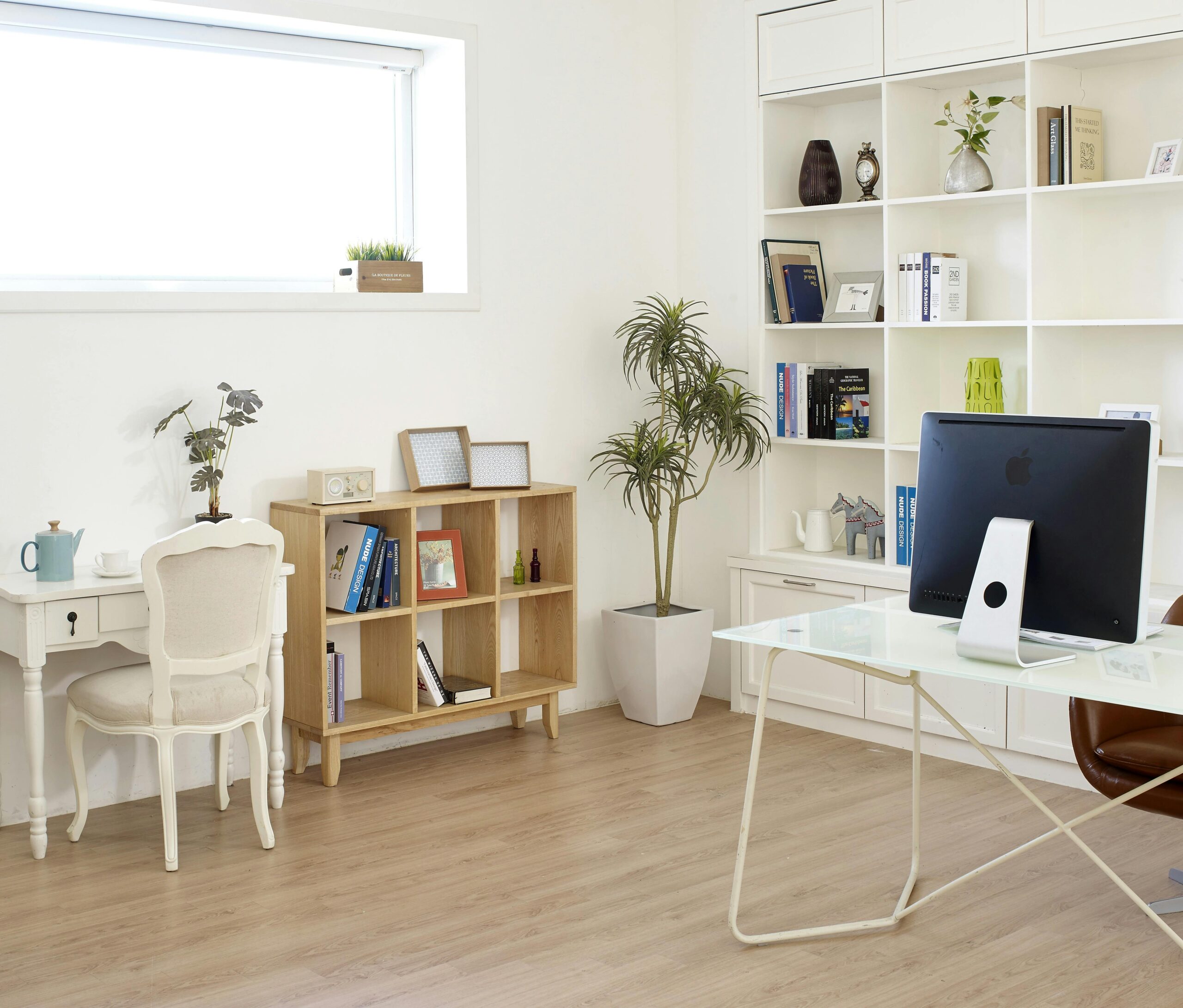
Creating an ideally lit home office doesn’t happen overnight, especially on a budget. Approach your lighting setup as an evolving project rather than a single purchase event. Start with essential task lighting, then gradually add ambient and accent layers as finances allow.
Track your lighting’s impact on productivity and well-being. You might discover that inexpensive solutions work just as effectively as premium alternatives, or identify specific areas where strategic upgrades would deliver worthwhile benefits.
Remember that the best lighting setup balances function, comfort, and cost. What works perfectly in design magazines might not suit your specific space, work style, or budget constraints—and that’s perfectly fine. Your customized, budget-friendly lighting solution can deliver professional results without the professional price tag.
The transformation from poorly lit workspace to bright, energizing office environment doesn’t require financial strain. With creative thinking, strategic shopping, and smart implementation of these budget-friendly ideas, you can illuminate your productivity without dimming your bank account. Your eyes, your mood, and your wallet will all thank you for the thoughtful investment in quality home office lighting that actually fits your budget.