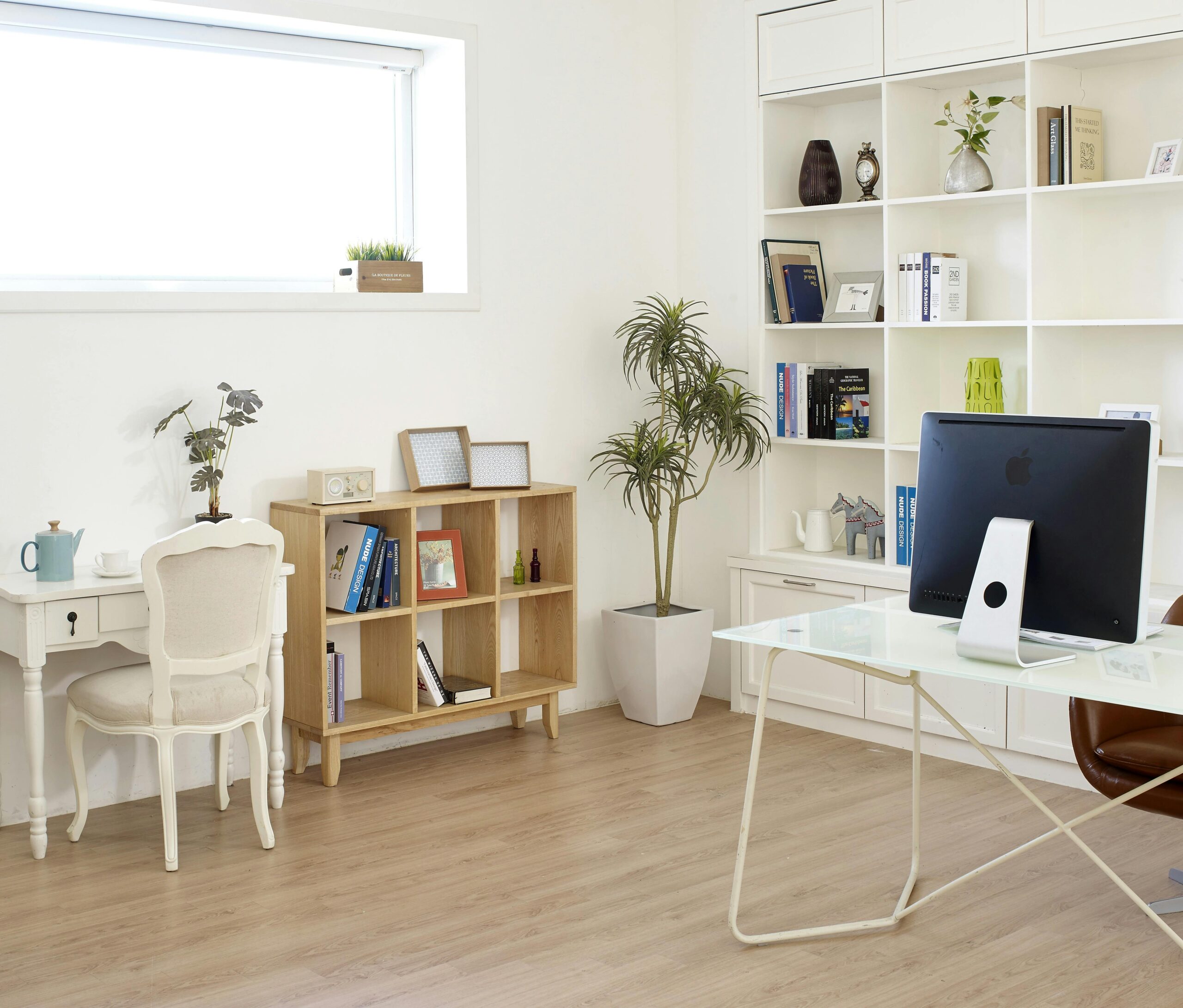
Your workspace is more than just a physical location—it’s the foundation of your productivity, creativity, and professional success. A cluttered, disorganized workstation can drain your energy, reduce focus, and significantly impact your output quality.

Whether you’re working from home, in a corporate office, or a co-working space, conducting regular workstation audits is essential for maintaining peak performance. This comprehensive checklist will help you identify productivity bottlenecks, eliminate distractions, and create an environment that supports your best work every single day.
🎯 Why Your Workstation Deserves Regular Attention
Think of your workstation as a high-performance vehicle—it requires regular maintenance to function optimally. Studies show that employees waste approximately 4.3 hours per week searching for papers or information in disorganized workspaces. That’s nearly an entire workday lost to inefficiency.
A well-organized workstation reduces cognitive load, allowing your brain to focus on important tasks rather than processing environmental chaos. When everything has its place and your tools are optimized, you spend less mental energy on logistics and more on creative problem-solving and meaningful work.
Beyond productivity, workspace organization directly affects your mental health. Clutter creates visual stress that elevates cortisol levels, while a clean, organized environment promotes calmness and clarity. This audit checklist addresses both the physical and digital aspects of your workspace to create a holistic productivity ecosystem.
📋 The Physical Space Assessment
Desk Surface Organization
Your desk surface is prime real estate—every item occupying space should earn its spot. Begin by removing everything from your desk and only return items you use daily. This includes your computer, phone, notepad, and perhaps a few essential tools.
Implement the “touch once” principle for papers and documents. When something lands on your desk, immediately decide: file it, act on it, or discard it. This prevents the accumulation of paper piles that become overwhelming over time.
Consider using desk organizers, drawer dividers, or cable management solutions to maintain order. A clean desk surface at the end of each workday creates a welcoming environment for the next morning and psychologically signals completion.
Ergonomic Evaluation ⚡
Poor ergonomics doesn’t just cause discomfort—it directly impacts productivity by creating fatigue and distraction. Your monitor should be at arm’s length distance with the top of the screen at or slightly below eye level to prevent neck strain.
Your chair height should allow your feet to rest flat on the floor with knees at a 90-degree angle. Armrests should support your elbows at a height that keeps your shoulders relaxed, not hunched or stretched.
Keyboard and mouse placement matters significantly. Keep them close enough that you don’t need to reach, and consider a wrist rest if you experience any discomfort during extended typing sessions. These small adjustments compound into significant energy savings throughout your workday.
Lighting Optimization
Lighting profoundly affects mood, alertness, and eye strain. Natural light is ideal—position your desk perpendicular to windows to minimize glare while maximizing daylight exposure. Natural light exposure during work hours improves sleep quality and overall well-being.
For artificial lighting, layer your approach with ambient overhead lighting combined with task lighting for specific work areas. Avoid harsh fluorescent lights that cause eye strain and headaches. Consider adjustable LED desk lamps that allow you to customize brightness and color temperature throughout the day.
Blue-enriched light in the morning hours promotes alertness, while warmer tones in the afternoon support focus without disrupting your circadian rhythm. Many modern desk lamps offer these adjustable features to support your natural productivity cycles.
💻 Digital Workspace Optimization
Desktop and File Organization
Your digital desktop should mirror your physical one—clean, organized, and purposeful. A cluttered desktop with dozens of files and shortcuts creates the same cognitive overhead as physical clutter. Create a logical folder structure and commit to filing documents properly from the start.
Implement a naming convention for files that includes dates (YYYY-MM-DD format) and descriptive titles. This makes searching and sorting effortless. Schedule weekly reviews to archive completed projects and delete unnecessary files.
Use cloud storage strategically to access important documents across devices while keeping local storage lean. Services like Google Drive, Dropbox, or OneDrive integrate seamlessly with most workflows and provide automatic backup security.
Application and Software Audit
Review every application installed on your work computer. Unused software consumes system resources, creates security vulnerabilities, and adds mental clutter when browsing your programs. Uninstall anything you haven’t used in three months.
For the applications you keep, ensure they’re updated to the latest versions for security and performance improvements. Outdated software can slow your system and expose you to security risks that compromise your work.
Consider consolidating tools where possible. Using fifteen different apps for tasks that could be handled by three creates unnecessary context-switching and reduces efficiency. Look for comprehensive platforms that handle multiple needs within a single ecosystem.
Email and Communication Management 📧
Email overload is one of the most common productivity killers in modern workplaces. Implement inbox zero principles by creating folders for different categories: action required, waiting for response, reference, and completed. Process emails in batches rather than constantly monitoring your inbox.
Unsubscribe ruthlessly from newsletters and promotional emails that no longer serve you. Use filters and rules to automatically sort incoming messages, so high-priority communications stand out immediately. Consider scheduling specific times for email processing rather than allowing it to interrupt deep work.
For team communication, establish clear protocols about which platform to use for different message types. Reserve email for formal communications and documentation, while using instant messaging for quick questions and collaboration tools for project discussions.
🔧 Technology and Tools Assessment
Hardware Performance Check
Slow technology creates constant micro-frustrations that accumulate into significant productivity losses. Test your computer’s startup time, application loading speeds, and general responsiveness. If your machine regularly lags or freezes, investigate the cause.
Check your hard drive storage—drives that are over 80% full can significantly impact performance. Archive old files, move large media to external storage, or upgrade to a larger drive if necessary. Consider switching to a solid-state drive if you’re still using traditional hard drives.
Evaluate your internet connection speed and reliability. Buffering videos, dropped calls, and slow uploads waste time and create frustration. If your connection is inadequate, explore upgrade options or optimize your router placement and settings.
Peripheral Equipment Evaluation
Your keyboard, mouse, headphones, and other peripherals should enhance your workflow, not hinder it. A responsive keyboard that matches your typing style reduces fatigue and errors. Consider mechanical keyboards if you do extensive typing, or ergonomic split keyboards if you experience wrist discomfort.
Mouse sensitivity and button customization can shave seconds off repetitive tasks that add up to significant time savings. Wireless options reduce cable clutter but require battery management—keep spare batteries or charging cables accessible.
Quality headphones or a headset become essential for video calls and concentration in noisy environments. Noise-canceling features help maintain focus in open office plans or busy home environments. Ensure your microphone produces clear audio to avoid communication frustrations during virtual meetings.
🧠 Cognitive Environment Optimization
Distraction Identification and Elimination
Conduct an honest audit of what pulls your attention away from work throughout the day. Common culprits include social media notifications, personal phone calls, colleagues dropping by, background noise, and visual distractions in your field of view.
For digital distractions, use website blockers during focused work periods. Apps like Freedom, Cold Turkey, or built-in screen time features can restrict access to time-wasting sites during designated hours. Turn off non-essential notifications on your computer and phone.
For physical distractions, consider noise-canceling headphones, “do not disturb” signals for colleagues, or repositioning your desk to face away from high-traffic areas. Even small changes like closing unnecessary browser tabs reduces visual clutter that competes for attention.
Personalization That Supports Productivity 🌱
Your workspace should reflect your personality while supporting your work goals. Strategic personalization increases emotional connection to your workspace without creating clutter. A single meaningful photo, a small plant, or an inspirational quote can boost mood without overwhelming your environment.
Plants improve air quality and create a calming presence, but choose low-maintenance varieties that thrive in your lighting conditions. Succulents, pothos, and snake plants are virtually indestructible options for beginners.
Color psychology matters—blues and greens promote calm and focus, while yellows and oranges stimulate creativity and energy. Consider these principles when choosing desk accessories, wall colors, or digital backgrounds.
📊 Creating Your Custom Audit Schedule
Daily Maintenance Rituals
End each workday with a five-minute reset: clear your desk surface, close unnecessary programs, review tomorrow’s priorities, and file any loose papers. This ritual creates psychological closure and ensures you start fresh the next morning.
Begin each day with a two-minute scan of your workspace to identify any immediate adjustments needed. This might include adjusting lighting, clearing overnight clutter, or ensuring all necessary tools are accessible before diving into work.
Weekly Deep Reviews
Dedicate 15-30 minutes each Friday afternoon to a more thorough workspace review. Process accumulated papers, clean your keyboard and screen, reorganize desktop files, and assess whether your current setup is serving your needs.
Review your calendar and project list to anticipate next week’s requirements. If you have presentations, ensure your technology is tested. If you need focus time, block your calendar and prepare your distraction-free environment in advance.
Monthly Comprehensive Audits
Once monthly, work through this complete checklist systematically. Evaluate ergonomics, test all hardware, update software, declutter both physical and digital spaces, and consider whether any tools or processes need upgrading or replacement.
Track your productivity metrics monthly—time spent on focused work, project completion rates, and subjective wellbeing. Correlate these with workspace changes to identify what actually moves the needle versus what feels productive but doesn’t impact results.
📈 Measuring Improvement and Adjusting
Productivity optimization is an iterative process, not a one-time event. After implementing changes from this audit, monitor specific metrics to validate improvements. Track how much time you spend searching for files, how many interruptions you experience, and your subjective focus levels.
Keep a simple log for two weeks noting when you feel most productive and when you struggle. Patterns will emerge showing which environmental factors most significantly impact your performance. This data-driven approach removes guesswork from workspace optimization.
Be willing to experiment and adjust. What works for colleagues or influencers might not suit your work style. Some people thrive with minimalist setups, while others need visual stimulation. The goal is discovering your optimal environment, not conforming to someone else’s ideal.
🚀 Taking Action: Your Next Steps
Reading about workspace optimization creates awareness, but only action generates results. Schedule your first comprehensive audit within the next 48 hours while this information is fresh. Block 90 minutes on your calendar specifically for this purpose.
Prioritize high-impact, low-effort improvements first. Adjusting your monitor height takes minutes but prevents hours of neck strain. Unsubscribing from ten newsletters takes less than five minutes but eliminates daily distractions. These quick wins build momentum for larger projects.
Consider enlisting an accountability partner—a colleague also interested in workspace optimization. Share your plans, compare approaches, and check in weekly on progress. Social accountability significantly increases follow-through on improvement initiatives.

🎯 Sustaining Your Productive Environment
The ultimate goal isn’t achieving perfect organization once, but developing systems that maintain effectiveness with minimal ongoing effort. Build habits that prevent degradation rather than constantly reorganizing from chaos.
Adopt the “one in, one out” rule for physical items—whenever something new arrives, something old must leave. This prevents gradual accumulation that eventually overwhelms your space. Apply the same principle to digital tools and subscriptions.
Remember that your optimal workspace will evolve as your work changes. Annual comprehensive reviews ensure your environment adapts to new responsibilities, technologies, and personal preferences. What served you last year might not support where you’re heading next.
Your workspace is an investment in yourself, your career, and your wellbeing. The time spent optimizing this environment pays dividends in reduced stress, increased output, and improved work satisfaction. By implementing this ultimate workstation audit checklist, you’re not just organizing a space—you’re architecting an environment that supports your highest potential and makes excellence effortless.
Start today with one small change, then build from there. Your future productive self will thank you for the effort you invest now in creating a workspace that truly works for you. 🌟