Meetings don’t have to drain your energy or waste your time. With the right environmental setup and smart break strategies, you can transform every gathering into a productive powerhouse that energizes rather than exhausts your team.

Whether you’re hosting virtual conferences or in-person brainstorming sessions, the physical conditions of your meeting space dramatically impact outcomes. Poor lighting strains eyes, dehydration clouds thinking, and marathon sessions without breaks kill creativity. This comprehensive guide reveals how to optimize every environmental factor for meetings that actually accomplish something meaningful.
💡 The Science Behind Lighting and Productivity
Lighting isn’t just about visibility—it’s a fundamental component of human performance. Research consistently shows that proper illumination affects mood, alertness, and cognitive function in measurable ways. When you get the lighting right, participants stay engaged longer and contribute more effectively.
Natural light remains the gold standard for meeting spaces. Studies from the Northwestern Medicine and University of Illinois found that workers exposed to natural light experienced 46% less eye strain and reported 51% less drowsiness. The circadian rhythm benefits alone justify positioning your meeting space near windows whenever possible.
Creating Your Optimal Lighting Setup
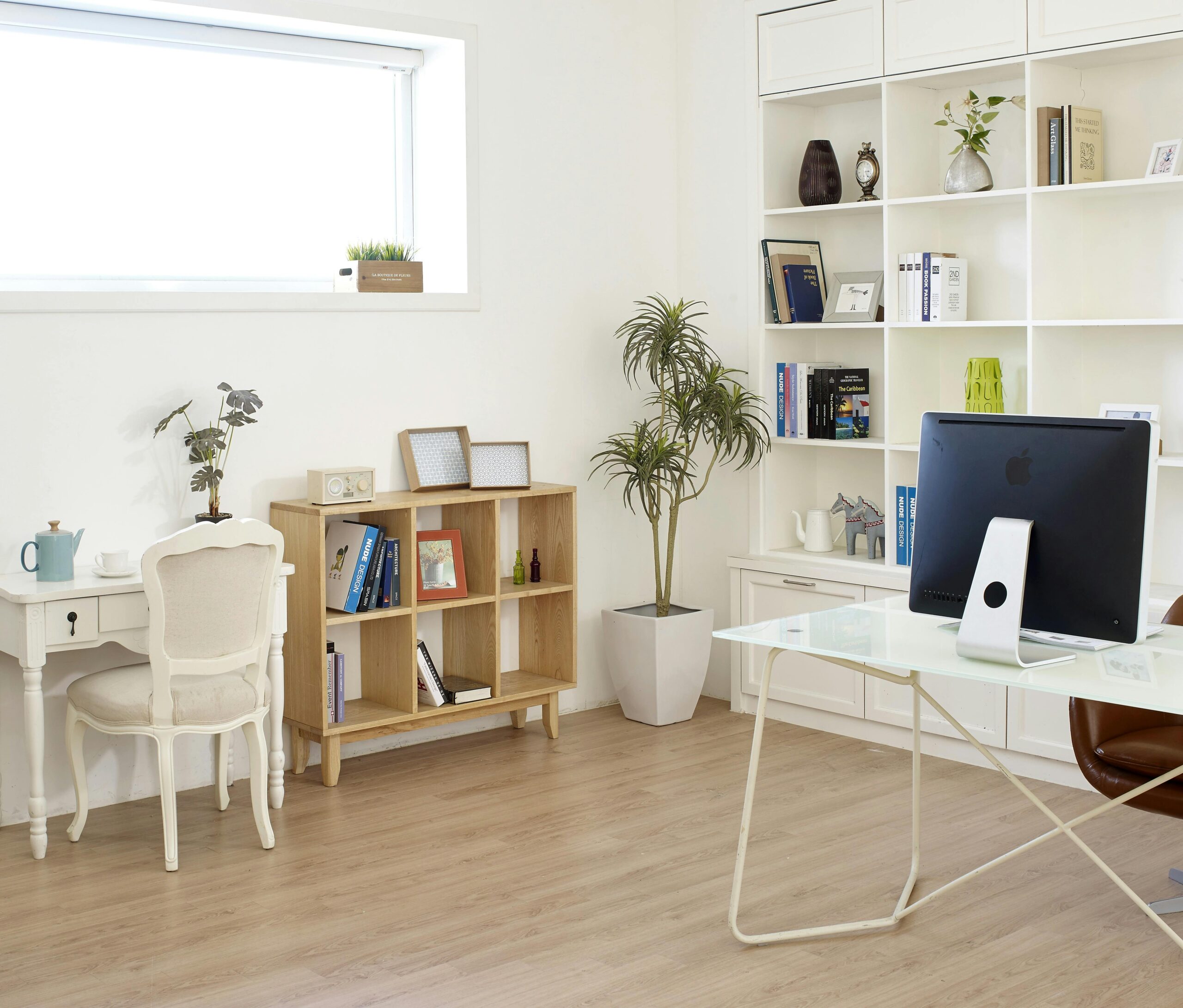
Start by assessing your current meeting environment. Position your main seating area perpendicular to windows rather than facing them directly. This arrangement minimizes glare on screens while maximizing natural light exposure. For video conferences, face windows to ensure your face is evenly illuminated without harsh shadows.
Artificial lighting requires a layered approach. Overhead fluorescent lights alone create a harsh, clinical atmosphere that suppresses creativity. Instead, combine ambient lighting with task lighting to create depth and warmth. Aim for color temperatures between 4000K and 5000K—cool enough to promote alertness without the sterile feel of hospital lighting.
Lighting Checklist for Every Meeting Type ✨
- Video calls: Front-facing light source at eye level to eliminate shadows
- Presentation meetings: Dimmable overhead lights to balance screen visibility
- Brainstorming sessions: Bright, energizing lighting above 5000K
- Afternoon meetings: Increase brightness 20% to combat post-lunch fatigue
- Creative workshops: Warmer tones around 3500K to encourage relaxed thinking
- Client meetings: Professional neutral lighting with accent pieces
Invest in smart bulbs or dimmers that allow quick adjustments. A 15-minute presentation requires different lighting than a two-hour strategy session. The ability to modify your environment based on meeting type separates amateur gatherings from professionally orchestrated sessions.
💧 Hydration: The Overlooked Performance Enhancer
Even mild dehydration—as little as 1-2% of body water loss—impairs concentration, working memory, and mood. Yet most meeting organizers completely ignore hydration planning. This oversight costs your team cognitive performance precisely when you need everyone operating at peak capacity.
The human brain is approximately 75% water. When hydration levels drop, blood volume decreases, forcing the heart to work harder to deliver oxygen and nutrients to the brain. This physiological stress manifests as fatigue, irritability, and reduced problem-solving ability—exactly what you don’t want during important discussions.
Building a Hydration-Friendly Meeting Culture
Make water the default beverage at every meeting. Position water stations or bottles within arm’s reach of every participant. The simple presence of easily accessible water increases consumption by an average of 38%, according to workplace wellness studies.
Temperature matters more than most people realize. Room temperature water gets consumed more readily than ice-cold options, which can cause temporary stomach discomfort. Keep water between 50-72°F for optimal consumption rates throughout your meeting.
Strategic Hydration Timeline
| Meeting Duration | Water Per Person | Refresh Points |
|---|---|---|
| 30 minutes | 8 oz (one glass) | Available at start |
| 1 hour | 16 oz (two glasses) | Refill at 30 minutes |
| 2 hours | 24-32 oz | Refill every 45 minutes |
| Half day (4 hours) | 48-64 oz | Refill every break |
Consider the cumulative effect of caffeine. While coffee and tea contribute to fluid intake, their diuretic properties mean they shouldn’t be your only beverage option. For every cup of coffee consumed during a meeting, participants should drink an additional glass of water to maintain optimal hydration.
⏰ The Art and Science of Productive Breaks
The traditional approach of powering through meetings without interruption violates everything neuroscience tells us about sustained attention. Human focus operates in cycles, and fighting these natural rhythms guarantees diminishing returns as your meeting progresses.
Research by the Draugiem Group using time-tracking software discovered that the most productive employees worked in focused bursts followed by deliberate breaks. The magic ratio? Approximately 52 minutes of work followed by 17 minutes of rest. While exact timing varies individually, the principle holds: strategic breaks amplify rather than interrupt productivity.
Implementing the Ultradian Rhythm Strategy
Your body operates on 90-minute cycles called ultradian rhythms throughout the day. These biological cycles influence alertness, with natural dips occurring approximately every 90 minutes. Smart meeting design acknowledges these rhythms instead of fighting them.
Structure longer meetings in 90-minute blocks with substantial breaks between segments. During each block, include a brief 2-3 minute “micro-break” around the 45-minute mark. These micro-breaks can be as simple as standing, stretching, or briefly looking away from screens—just enough to reset attention without losing momentum.
What Makes a Break Actually Restorative? 🌿
Not all breaks deliver equal restoration. Scrolling through emails or social media during breaks doesn’t allow your brain to genuinely reset. True cognitive restoration requires activities that engage different neural networks than those used during focused work.
- Physical movement: Walk outside or do simple stretches to boost circulation
- Visual rest: Look at distant objects to relax eye muscles strained by screens
- Social connection: Brief informal conversations build team cohesion
- Mindful breathing: Even 60 seconds of deep breathing lowers stress hormones
- Nature exposure: Looking at plants or natural scenes accelerates mental recovery
- Hydration reset: Use breaks to refill water and visit restrooms without rushing
The location of your break matters enormously. Staying in the same meeting room provides minimal psychological separation. Whenever possible, encourage people to physically leave the space, even if just to walk down the hallway. This environmental change signals to the brain that the work cycle has paused.
🎯 Your Pre-Meeting Environmental Checklist
Preparation separates mediocre meetings from exceptional ones. Use this comprehensive checklist 15 minutes before participants arrive to ensure your environment supports rather than sabotages productivity.
Lighting Preparation
- Test all light sources and replace any burnt-out bulbs
- Adjust blinds to control natural light without creating glare
- Position supplemental lamps to eliminate dark corners
- Test screen visibility under current lighting conditions
- Prepare dimmer settings if presenting slides or videos
- Verify video call lighting with a test recording
Hydration Station Setup
- Calculate water needs based on expected attendance and duration
- Provide individual bottles or easily accessible pitchers
- Include cups or glasses if using shared containers
- Position water within reach of all seats
- Keep backup supplies nearby for refills
- Consider adding lemon slices or fruit for variety in longer sessions
Break Planning
- Schedule breaks in advance and communicate timing to all participants
- Identify break locations outside the main meeting space
- Set timers to honor break schedules without extending meetings
- Prepare brief transition activities to smoothly resume after breaks
- Create a visible agenda showing break times to manage expectations
🖥️ Optimizing Virtual Meeting Environments
Remote meetings present unique environmental challenges since you control only your space while participants join from varied conditions. However, you can establish standards and provide guidance that dramatically improves the collective experience.
Create and share a virtual meeting environment guide with your team. Include specific recommendations for lighting placement, camera angles, and audio setup. When everyone implements basic standards, video quality improves across the board, reducing the cognitive load of processing poor-quality feeds.
Lighting for Virtual Presence
Position your primary light source directly behind your camera, slightly above eye level. Ring lights work wonderfully for this purpose, providing even facial illumination that appears natural on camera. Avoid backlighting from windows unless you have sufficient front-facing light to compensate.
Test your setup using your video platform’s preview function before important calls. Your face should be evenly lit without harsh shadows under your eyes or chin. If you wear glasses, adjust lighting angles to minimize reflections that can obscure your eyes during conversation.
Virtual Hydration and Break Strategies
Online meetings make hydration easier since participants can keep beverages at their desk, yet people often forget to drink while focused on screens. Model good hydration behavior by visibly drinking water during calls. This social cue reminds others to do the same.
Virtual breaks require more structure than in-person ones. Clearly state when breaks begin and end, since participants can’t gauge timing from social cues. Consider using breakout rooms for informal socializing during breaks, maintaining connection while allowing genuine rest from the main meeting content.
📊 Measuring Environmental Impact on Meeting Outcomes
You can’t improve what you don’t measure. Track meeting effectiveness metrics before and after implementing environmental optimizations to quantify their impact. This data-driven approach builds organizational support for maintaining high environmental standards.
Create simple post-meeting surveys asking participants to rate their energy levels, ability to concentrate, and perceived meeting productivity on a 1-10 scale. Track these ratings over time, noting which environmental factors correlate with higher scores.
Key Metrics to Monitor
| Metric | Measurement Method | Target Improvement |
|---|---|---|
| Participant alertness | Post-meeting survey rating | 7+ out of 10 |
| Meeting efficiency | Agenda items completed per hour | 20% increase |
| Action item clarity | Follow-up questions within 24 hours | 40% decrease |
| Participant engagement | Active contributions per person | 30% increase |
Compare meeting outcomes on days with optimal environmental conditions versus those where conditions were subpar. Most organizations find that investing in proper lighting, reliable hydration access, and structured breaks pays for itself through reduced meeting times and better decision-making quality.
🚀 Advanced Strategies for Meeting Excellence
Once you’ve mastered the fundamentals, consider these advanced techniques to elevate your meetings from good to exceptional. These strategies require more planning but deliver proportionally greater results for high-stakes gatherings.
Circadian-Aligned Scheduling
Human cognitive performance varies predictably throughout the day. Most people experience peak alertness and analytical thinking between 9 AM and 11 AM, with another smaller peak in late afternoon. Schedule your most demanding meetings during these windows, reserving low-energy periods for routine check-ins.
Avoid scheduling important decision-making meetings immediately after lunch, when blood sugar fluctuations and natural circadian dips create a predictable slump. If you must meet during this time, compensate with brighter lighting and plan an activity-based agenda that keeps people moving.
Temperature Optimization
While often overlooked, room temperature significantly affects meeting productivity. Research from Cornell University found that optimal office temperature hovers around 70-73°F (21-23°C). Below 68°F, people make more errors and accomplish less work. Above 75°F, cognitive performance declines due to thermal discomfort.
Arrive early enough to adjust climate controls before participants enter. Remember that occupied rooms warm up quickly—set the initial temperature slightly cooler than your target to account for body heat from multiple people.
Biophilic Design Elements 🌱
Incorporating natural elements into meeting spaces—a concept called biophilic design—demonstrably reduces stress and increases cognitive function. Even small additions like potted plants, natural wood surfaces, or nature imagery can improve meeting outcomes by 15% according to workplace environment studies.
Position living plants within view of meeting participants. The presence of greenery lowers blood pressure and cortisol levels, creating a calmer atmosphere conducive to collaborative problem-solving. Low-maintenance options like pothos, snake plants, or succulents work well in office environments.
🎭 Adapting Your Approach for Different Meeting Types
Not all meetings serve the same purpose, and environmental optimization should reflect these differences. A financial review requires different conditions than a creative brainstorming session.
For analytical meetings focused on data and decisions, prioritize bright, cool-toned lighting that promotes alertness and attention to detail. Keep the room slightly cooler than comfortable to maintain sharp focus. Schedule breaks every 60 minutes to prevent mental fatigue from sustained concentration.
Creative sessions benefit from warmer lighting, comfortable temperatures, and more frequent movement breaks. Consider standing meetings or walking discussions for brainstorming activities. The environmental goal shifts from maintaining focus to encouraging free-flowing ideas and psychological safety.
✅ Your 48-Hour Meeting Mastery Action Plan
Ready to transform your meetings immediately? Follow this practical implementation timeline that delivers results within two days without overwhelming your schedule.
Day one begins with environmental assessment. Walk through your typical meeting spaces and honestly evaluate current lighting, hydration access, and break practices. Take photos and notes about specific improvement opportunities. Order any needed supplies like desk lamps, water pitchers, or smart bulbs.
Next, create your meeting environment standard—a simple one-page document outlining your lighting, hydration, and break protocols. Share this with regular meeting attendees so expectations are clear. For virtual teams, include guidance on home office setup that everyone can implement.
Day two focuses on implementation and measurement. Apply your new standards to at least one meeting, paying careful attention to the preparation checklist. Gather feedback through a quick three-question survey: How was the lighting? Did you feel adequately hydrated? Were breaks sufficient?
Review the feedback objectively and adjust your approach based on real user experience. Remember that environmental optimization is an ongoing process, not a one-time fix. Continuous small improvements compound into dramatically better meeting experiences over time.
The difference between meetings that drain energy and those that generate momentum often comes down to environmental fundamentals that most people never consider. By mastering lighting, hydration, and strategic breaks, you create the conditions where productive collaboration happens naturally. Your team’s time is valuable—treating it that way starts with the physical environment you create for working together.