Conference days can be exhilarating yet exhausting experiences that demand peak performance from start to finish. Navigating these marathon events successfully requires strategic planning and smart execution.

Whether you’re attending a tech summit, industry convention, or professional gathering, the ability to maintain energy, focus, and engagement throughout lengthy sessions separates memorable networking opportunities from forgettable endurance tests. The modern conference attendee faces unique challenges: back-to-back sessions, information overload, jet lag, unfamiliar venues, and the pressure to make meaningful connections while absorbing valuable content.
Mastering the conference day isn’t just about showing up—it’s about optimizing every aspect of your experience from pre-event preparation to post-session recovery. This comprehensive guide will transform how you approach conference attendance, helping you travel smarter, maintain sustained energy levels, and thrive through even the most demanding agendas with confidence and ease.
🎯 Strategic Pre-Conference Preparation
Success at any conference begins weeks before you step into the venue. Preparation determines whether you’ll struggle through sessions or glide through them with purpose and energy. Start by thoroughly researching the conference agenda, identifying must-attend sessions, and creating a personalized schedule that balances learning with networking opportunities.
Download the official conference app early and familiarize yourself with the layout, speaker roster, and special events. Many conferences now offer mobile applications that provide real-time updates, interactive maps, and networking features that can dramatically improve your experience.
Physical preparation matters equally. If the conference requires travel, adjust your sleep schedule gradually in the days leading up to departure. This proactive approach to managing time zones can significantly reduce jet lag effects. Pack strategically with comfort and functionality in mind—comfortable shoes are non-negotiable for conferences involving extensive walking between sessions.
Essential Conference Packing Checklist
- Comfortable, professional footwear with proven all-day support
- Portable phone charger with high capacity (minimum 10,000mAh)
- Refillable water bottle to maintain hydration
- Healthy snacks like nuts, protein bars, and dried fruit
- Business cards in a protective case
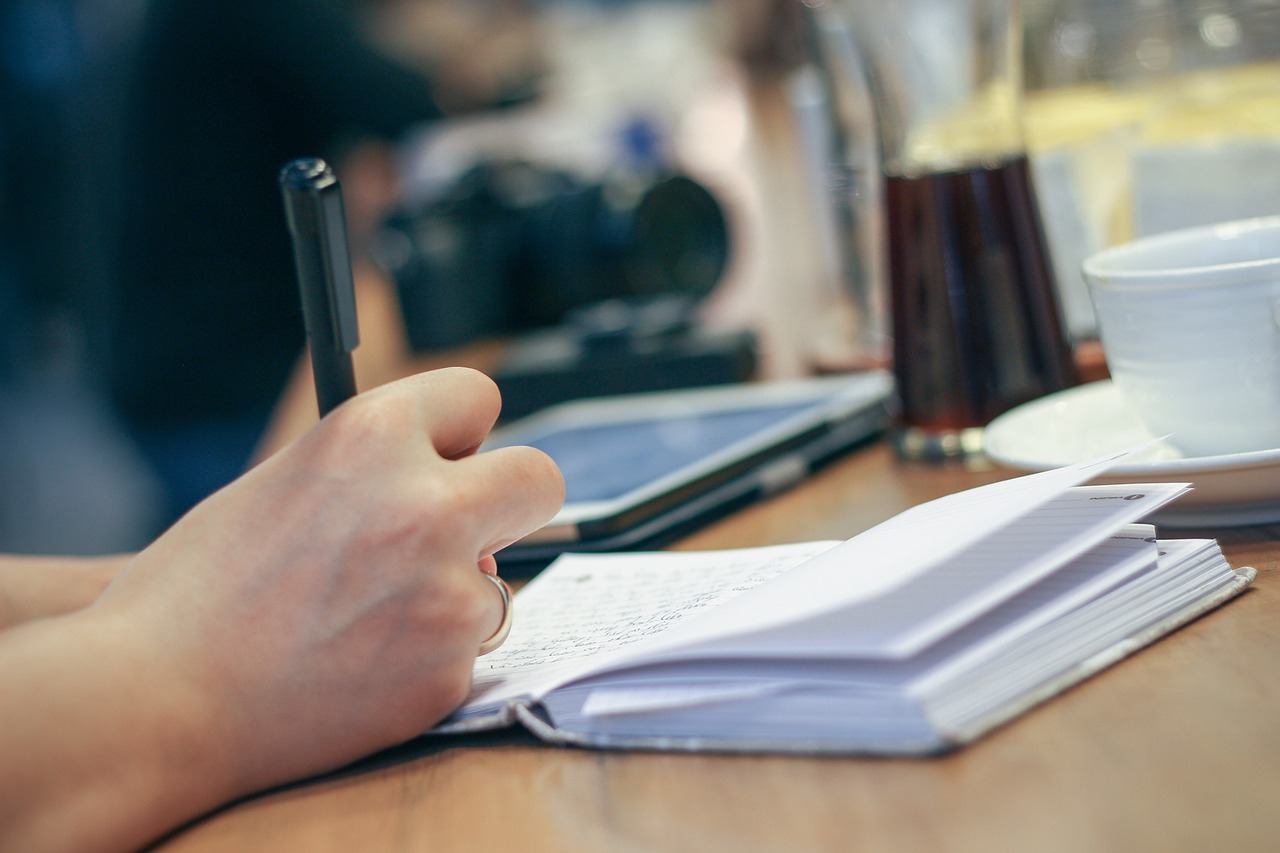
- Small notebook and quality pen for analog note-taking
- Travel-sized pain relievers and essential medications
- Layers of clothing for varying room temperatures
✈️ Travel Smart: Arriving Ready to Perform
The journey to your conference destination sets the tone for your entire experience. Smart travelers treat transit time as preparation time rather than dead time. If flying, choose flights that arrive at least one day before the conference begins, providing buffer time for unexpected delays and crucial recovery from travel fatigue.
During travel, stay hydrated by drinking water consistently—airplane cabin air can dehydrate you faster than you realize. Avoid excessive alcohol and caffeine during flights, as both contribute to dehydration and can disrupt sleep patterns. Instead, focus on light, nutritious meals that won’t leave you feeling sluggish upon arrival.
Use travel time productively by reviewing speaker backgrounds, researching companies you want to connect with, and preparing intelligent questions for sessions. Download presentation materials or speaker books in advance so you can arrive with context and deeper understanding.
Navigating Airport Efficiency
Minimize travel stress by enrolling in TSA PreCheck or Global Entry programs if you’re a frequent conference attendee. These programs dramatically reduce security wait times and eliminate the hassle of removing shoes, belts, and laptops during screening. The time saved and stress reduced pays dividends in your arrival energy level.
Consider using reliable travel and navigation apps to streamline your airport experience and ground transportation. Having accurate, real-time information about gates, delays, and transportation options reduces decision fatigue before your conference even begins.
⚡ Energy Management Throughout Conference Days
Sustaining energy through multi-day conferences requires understanding your body’s natural rhythms and working with them rather than against them. Most people experience peak alertness in mid-morning and again in early evening, with natural energy dips in early afternoon. Schedule your most important sessions during your peak performance windows when possible.
Breakfast becomes your foundation fuel—prioritize protein and complex carbohydrates over sugar-laden pastries that promise quick energy but deliver inevitable crashes. A balanced breakfast with eggs, whole grains, and fruit provides sustained energy release throughout morning sessions.
The Strategic Coffee Protocol
Coffee can be a powerful ally or sabotaging enemy depending on how you use it. Rather than mainlining caffeine from dawn to dusk, implement strategic caffeine timing. Consume your first coffee 90-120 minutes after waking rather than immediately—this allows your natural cortisol awakening response to work first, making caffeine more effective when you do consume it.
Limit caffeine intake after 2 PM to protect evening sleep quality. Remember that each conference day builds on the previous night’s sleep, creating a cumulative effect. Poor sleep on night one compounds throughout the entire event.
💧 Hydration: The Underestimated Performance Enhancer
Dehydration silently undermines cognitive performance, causing fatigue, reduced concentration, and headaches—symptoms often mistaken for information overload or conference fatigue. Conference environments with recirculated air, extensive talking, and continuous movement accelerate fluid loss.
Carry a refillable water bottle and establish a hydration routine: drink water upon waking, between each session, and regularly throughout presentations. A practical target is consuming at least 8-10 glasses of water daily, more if you’re in a dry climate or consuming multiple caffeinated beverages.
Recognize dehydration symptoms early: headache, difficulty concentrating, dry mouth, and fatigue all signal inadequate hydration. Addressing these symptoms reactively is less effective than preventing them through consistent water intake throughout the day.
🍎 Strategic Nutrition for Sustained Performance
Conference catering often emphasizes convenience over nutrition, presenting endless opportunities for poor food choices. Heavy lunch buffets promise satisfaction but deliver afternoon drowsiness that sabotages your next sessions. Instead, practice strategic eating that prioritizes sustained energy over momentary fullness.
Choose lighter lunches featuring lean proteins, vegetables, and moderate complex carbohydrates. Avoid heavy, cream-based dishes and excessive bread that trigger energy crashes. If conference food options are limited or unappealing, scout nearby restaurants or cafes in advance where you can access healthier alternatives.
Smart Snacking Strategy
Bring your own snacks to maintain stable blood sugar between meals. Almonds, mixed nuts, protein bars, fresh fruit, and dark chocolate provide quick energy without the crash associated with conference hall candy bowls. Snacking strategically every 2-3 hours prevents energy dips and maintains focus during afternoon sessions.
| Energy-Sustaining Snacks | Snacks to Avoid |
|---|---|
| Mixed nuts and seeds | Sugary pastries and cookies |
| Protein bars with low sugar | Candy and chocolate bars |
| Fresh fruit (apples, bananas) | Chips and processed crackers |
| Vegetable sticks with hummus | Soda and energy drinks |
| Greek yogurt | Large, heavy sandwiches |
🧘 Movement and Posture: Combat Conference Fatigue
Hours of sitting in conference chairs wreaks havoc on your body and mind. Physical stagnation reduces circulation, increases fatigue, and diminishes cognitive performance. Combat sedentary sessions by incorporating strategic movement throughout your day.
Stand at the back of rooms when appropriate, take walking breaks between sessions, and use transition time to stretch major muscle groups. Simple neck rolls, shoulder shrugs, and calf raises performed discreetly during breaks restore circulation and refresh mental clarity.
If morning schedule permits, start each conference day with light exercise—even 15-20 minutes of walking, yoga, or bodyweight exercises significantly improves energy levels and mental sharpness throughout the day. Many conference hotels offer fitness facilities; use them as performance enhancement tools rather than optional amenities.
The Power of the Walking Meeting
Transform networking coffee breaks into walking meetings. Rather than sitting in crowded lobbies, suggest walking conversations that combine relationship building with physical movement. These mobile meetings often produce more authentic connections while simultaneously boosting your energy and step count.
🎧 Maximizing Learning During Sessions
Attending sessions is only valuable if you retain and apply the information presented. Combat information overload by implementing strategic note-taking systems that capture key insights without distracting you from speaker content. Consider the Cornell note-taking method: divide pages into sections for notes, key points, and summary reflections.
Resist the temptation to photograph every slide—this creates false confidence in information retention while actually reducing active engagement. Instead, photograph only key diagrams or data you’ll reference later, focusing your attention on understanding concepts rather than documenting everything.
Many conferences now record sessions for later viewing. Knowing recordings exist allows you to focus on engagement and understanding during live sessions rather than frantically capturing every detail. Use live sessions for asking questions and networking, then review recordings later for detailed information.
Active Listening Techniques
Practice active listening by mentally summarizing key points every few minutes, formulating questions as speakers progress, and connecting new information to existing knowledge. This cognitive engagement dramatically improves retention compared to passive observation.
When sessions include Q&A opportunities, prepare questions that advance your understanding rather than showcasing your knowledge. Thoughtful questions benefit everyone in the room and often lead to valuable post-session conversations with speakers and fellow attendees.
🤝 Strategic Networking Without Burnout
Conferences offer unparalleled networking opportunities, but constant socializing can be mentally exhausting, especially for introverts. Approach networking strategically rather than attempting to connect with everyone you encounter. Quality connections outweigh quantity every time.
Identify key people you want to meet before arriving, research their work, and prepare genuine conversation starters beyond generic “what do you do?” questions. Reference specific projects, articles, or presentations they’ve contributed to demonstrate authentic interest rather than transactional networking.
Schedule networking energy wisely. If evening receptions deplete you, prioritize morning coffee meetings or afternoon breaks instead. Honor your energy patterns and social comfort zones while still pushing slightly beyond them for growth.
The Follow-Up Framework
Meaningful connections require follow-up, but doing so effectively demands systems. Immediately after conversations, add context notes to new contacts’ business cards or digital profiles: where you met, what you discussed, and specific follow-up actions. This prevents the common post-conference experience of having dozens of cards with no memory of the associated conversations.
Schedule follow-up time on your calendar for the week following the conference. Fresh connections fade quickly without reinforcement. Send personalized messages referencing specific conversation topics rather than generic “nice to meet you” templates.
😴 Sleep Optimization for Multi-Day Events
Quality sleep determines whether you finish conferences strong or limp through final days in a fog. Protect your sleep despite evening events and early morning sessions. Establish a conference sleep routine that prioritizes 7-8 hours nightly, adjusting social activities around this non-negotiable foundation.
Create optimal sleep conditions in your hotel room: use blackout curtains or eye masks, maintain cool temperatures, and minimize noise with earplugs or white noise apps. Pack familiar sleep aids like your own pillow or preferred tea to maintain normal sleep routines despite unfamiliar environments.
Avoid late-night drinking, which severely compromises sleep quality even when you sleep adequate hours. The recovery deficit from poor sleep cannot be overcome with caffeine—it accumulates throughout multi-day events, progressively degrading your performance and experience.
📱 Technology Tools for Conference Success
Leverage technology strategically to enhance rather than distract from your conference experience. Use note-taking apps that sync across devices, allowing you to capture insights on your phone during sessions and review them later on your laptop with full context preserved.
Calendar apps with location awareness help navigate complex conference schedules, providing reminders to transition between sessions with enough time to arrive prepared. Enable notification management to silence distracting alerts during important presentations while still receiving critical messages.
Conference-specific apps frequently include interactive features like live polling, Q&A submission, and attendee messaging that enhance engagement. Download and configure these apps before the event begins to maximize their utility from day one.
🔋 Managing Technology Power Throughout the Day
Few conference frustrations compare to a dead phone battery during critical networking opportunities or important sessions. Carry a high-capacity portable charger and charging cables everywhere. Many conferences offer charging stations, but these become crowded bottlenecks precisely when most needed.
Optimize your device battery life by reducing screen brightness, closing unnecessary apps, and enabling low-power modes during less critical times. Consider carrying a second charging cable to help fellow attendees experiencing power emergencies—this simple generosity creates memorable positive impressions.
🎯 Post-Session Recovery and Reflection
Build brief recovery periods into your conference schedule rather than attending back-to-back sessions for hours without breaks. Even 10-15 minutes between sessions to step outside, practice breathing exercises, or simply sit quietly dramatically improves your capacity for the next session.
End each conference day with a brief reflection ritual: review notes, identify top three insights, and record action items while information remains fresh. This practice transforms passive attendance into active learning and ensures valuable insights don’t get lost in post-conference chaos.
Schedule decompression time after particularly intense sessions or difficult topics. Trying to immediately network or jump into the next session after emotionally or intellectually demanding content reduces effectiveness in both areas.
🌟 Thriving Through the Final Sessions
Conference fatigue peaks during final sessions when accumulated sleep debt, information overload, and social exhaustion converge. Combat this predictable decline by treating the last day with extra care: prioritize sleep the night before, maintain strict hydration and nutrition protocols, and choose final sessions strategically based on genuine interest rather than obligation.
Many attendees leave early or disengage during closing sessions, but these often contain valuable summary insights and synthesis that tie together earlier content. Finishing strong differentiates memorable attendees from the crowd and often leads to valuable final conversations with speakers and fellow participants who also prioritized staying engaged.
Plan something enjoyable for after the conference concludes—whether exploring the host city, enjoying a nice meal, or simply relaxing in your hotel. Having something to anticipate helps maintain energy and engagement through the final hours.

🚀 Turning Conference Insights into Lasting Impact
The true value of conference attendance emerges in the weeks following the event when you implement insights and activate new connections. Schedule implementation time on your calendar before you even leave the conference. Block specific hours to organize notes, reach out to contacts, and begin applying new strategies.
Create a conference summary document that captures key learnings, interesting resources, and action items while memories remain fresh. Share relevant insights with your team or network, reinforcing your own learning while providing value to others.
Conference attendance represents significant investments of time, money, and energy. Maximizing return on this investment requires intentional follow-through that extends well beyond the event itself. The strategies that help you thrive during the conference—strategic planning, energy management, and purposeful engagement—apply equally to post-conference implementation.
Mastering the conference day isn’t about superhuman endurance or pushing through exhaustion. It’s about working intelligently with your body and mind, preparing strategically, and creating systems that support sustained peak performance. These practices transform conferences from exhausting obligations into energizing opportunities for growth, connection, and professional development that continue delivering value long after you return home.