
Weather changes affect more than just your weekend plans—they can significantly impact your physical and mental wellbeing. Understanding how atmospheric pressure shifts influence your body can transform the way you manage your health daily.

From debilitating migraines to joint pain flare-ups, millions of people worldwide experience weather-related symptoms without realizing the connection. By tracking weather patterns and barometric pressure changes, you can anticipate these effects and take proactive measures to minimize discomfort and maintain your quality of life.
🌦️ The Science Behind Weather Sensitivity
Weather sensitivity, scientifically known as meteoropathy, affects approximately 30-50% of the population to varying degrees. When atmospheric pressure drops before a storm, the air pressure around your body decreases, allowing tissues to expand slightly. This expansion can trigger inflammation in joints, sinuses, and blood vessels, leading to noticeable discomfort.
Research published in medical journals has demonstrated correlations between barometric pressure changes and increased reports of migraines, arthritis pain, and even mood disturbances. The human body essentially acts as a sophisticated barometer, sensing these environmental shifts sometimes hours or even days before weather changes become apparent.
Temperature fluctuations, humidity levels, and precipitation patterns also play crucial roles in how we feel. Cold weather can cause muscles to tighten and reduce circulation, while high humidity can make breathing more difficult for people with respiratory conditions. Understanding these mechanisms empowers you to better predict and manage your symptoms.
Common Health Conditions Affected by Weather Changes
Certain medical conditions are particularly susceptible to atmospheric pressure variations and weather patterns. Recognizing if you have one of these conditions can help you understand why tracking weather becomes especially important for your health management strategy.
Migraines and Headaches
Barometric pressure changes are one of the most commonly reported migraine triggers. When pressure drops rapidly, blood vessels may expand, potentially triggering severe headaches in susceptible individuals. Studies show that migraine sufferers can experience attacks 24-48 hours before a storm system arrives, making weather tracking a valuable preventive tool.
Arthritis and Joint Pain
People with arthritis frequently report increased pain and stiffness when weather patterns shift. The theory suggests that decreased atmospheric pressure allows joint tissues to expand, placing additional stress on already inflamed areas. Both osteoarthritis and rheumatoid arthritis sufferers commonly experience these weather-related symptom fluctuations.
Respiratory Conditions
Asthma, chronic obstructive pulmonary disease (COPD), and allergies often worsen with certain weather conditions. High humidity can increase mold spore counts, while temperature changes can trigger bronchial constriction. Tracking these patterns helps patients prepare by adjusting medications or limiting outdoor activities during problematic periods.
Mood and Mental Health
Seasonal Affective Disorder (SAD) represents the most recognized weather-related mental health condition, but barometric pressure changes can also influence anxiety levels and overall mood. Low-pressure systems have been associated with increased feelings of depression and fatigue in weather-sensitive individuals.
📱 Modern Technology Makes Weather Tracking Accessible
Gone are the days when tracking barometric pressure required expensive equipment or specialized knowledge. Today’s smartphones offer sophisticated applications that provide detailed weather information, pressure trends, and personalized health alerts at your fingertips.
Advanced weather tracking apps now integrate barometric pressure data with symptom logging features, allowing you to identify your personal triggers over time. These digital tools can send notifications when pressure changes might affect your condition, giving you advance warning to take preventive measures.
Many applications also offer historical data analysis, helping you recognize patterns between weather conditions and your symptom intensity. This information becomes invaluable when discussing treatment options with healthcare providers, providing concrete data to support your experiences.
🎯 How to Effectively Track Weather for Health Benefits
Successfully using weather tracking for health management requires consistency and attention to detail. Simply checking the forecast isn’t enough—you need to understand which specific metrics matter most for your condition and establish a tracking routine.
Identify Your Critical Weather Metrics
Different conditions respond to different weather variables. Migraine sufferers should focus primarily on barometric pressure changes, particularly rapid drops. Arthritis patients benefit from tracking pressure, humidity, and temperature together. Those with respiratory issues should monitor air quality indices, pollen counts, and humidity levels.
Establish a Symptom Diary
Recording your daily symptoms alongside weather data creates a personalized database of information. Note pain levels, mood, energy, and any other relevant symptoms using a consistent scale. Over several weeks or months, patterns will emerge that reveal your specific weather triggers.
Learn to Anticipate Changes
Most weather-related symptoms don’t occur at the exact moment of weather change—they often precede it. By monitoring pressure trends rather than just current readings, you can predict symptom onset 12-48 hours in advance. Look for rapid pressure drops (more than 0.5 inHg in 3 hours) as particularly significant indicators.
Practical Strategies to Minimize Weather-Related Symptoms
Tracking weather changes provides value only when paired with actionable strategies to manage anticipated symptoms. Having a toolkit of preventive measures ready when your tracking system alerts you to problematic conditions makes the difference between suffering and maintaining wellness.
Preventive Medication Timing
For many conditions, taking medication before symptoms fully develop proves more effective than waiting until pain or discomfort peaks. When your weather tracking indicates an approaching pressure drop, consider taking preventive medications as recommended by your healthcare provider. This proactive approach often reduces symptom severity significantly.
Lifestyle Adjustments
Modifying your activities based on weather forecasts helps minimize exposure to triggering conditions. Schedule outdoor activities for more favorable weather periods. On days when barometric pressure drops significantly, reduce stress, stay well-hydrated, and ensure adequate rest to help your body cope with the atmospheric changes.
Environmental Control
While you cannot control outdoor weather, managing your indoor environment provides relief. Use humidifiers or dehumidifiers to maintain optimal humidity levels between 30-50%. Ensure consistent indoor temperatures to avoid the shock of dramatic changes when moving between environments.
💪 Building Resilience Against Weather Sensitivity
While some degree of weather sensitivity may be unavoidable, several lifestyle factors can reduce your overall vulnerability to atmospheric pressure changes and improve your body’s adaptive capacity.
Regular Exercise and Movement
Consistent physical activity improves circulation, reduces inflammation, and strengthens your body’s stress response systems. Even moderate exercise like walking or swimming several times weekly can decrease the intensity of weather-related symptoms over time. Movement keeps joints flexible and muscles strong, reducing vulnerability to pressure changes.
Stress Management Techniques
Chronic stress amplifies pain perception and reduces your body’s ability to adapt to environmental changes. Incorporating relaxation practices such as meditation, deep breathing exercises, or yoga can lower your baseline stress levels, making weather-related symptom spikes less severe.
Optimal Nutrition and Hydration
Anti-inflammatory diets rich in omega-3 fatty acids, fruits, vegetables, and whole grains support your body’s natural ability to manage inflammation triggered by pressure changes. Staying properly hydrated helps maintain blood volume and circulation, potentially reducing headache frequency and joint discomfort.
Consistent Sleep Patterns
Quality sleep strengthens immune function and pain management systems. Maintaining regular sleep schedules, even on weekends, helps your body better handle the additional stress that weather changes impose on your system.
📊 Understanding Barometric Pressure Readings
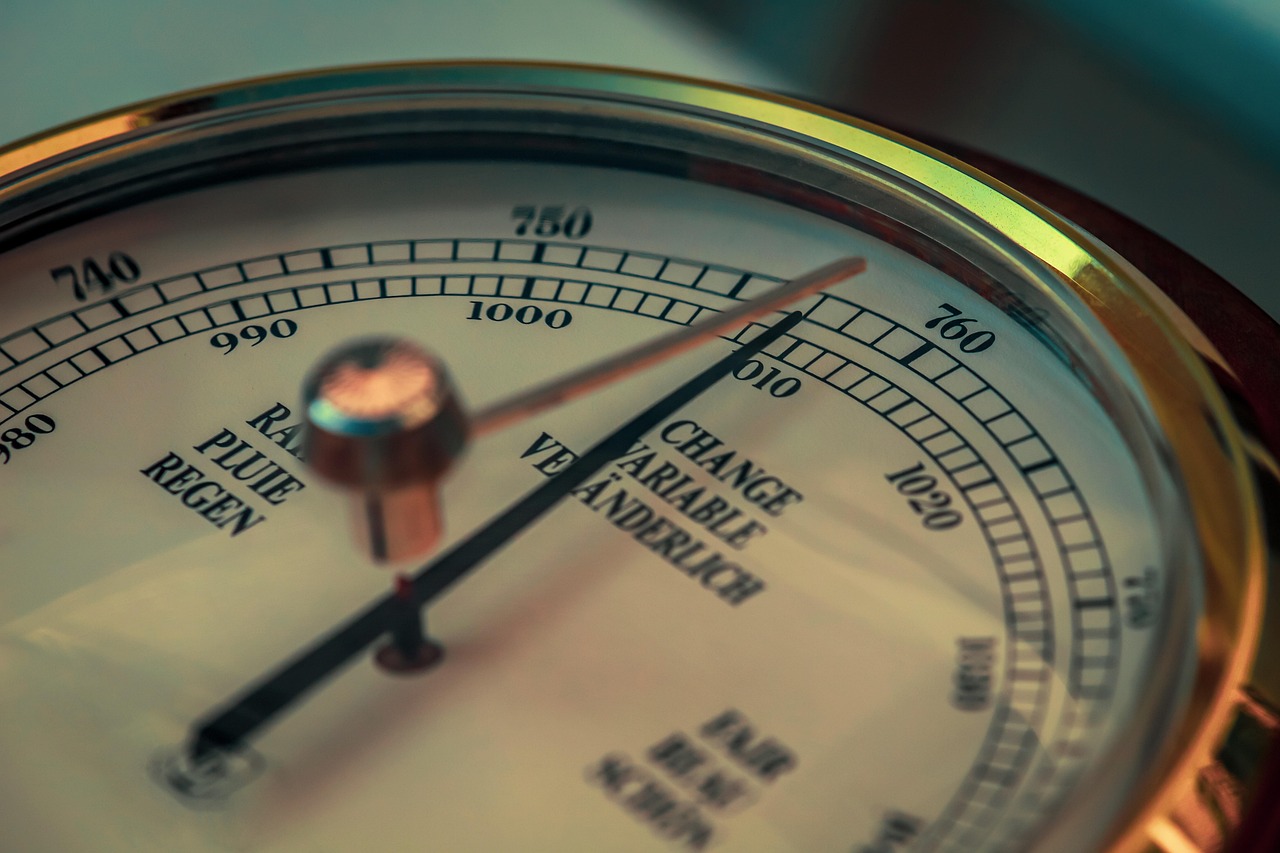
To effectively use weather tracking for health management, understanding how to interpret barometric pressure measurements becomes essential. Atmospheric pressure is typically measured in inches of mercury (inHg) or millibars (mb), with standard sea-level pressure around 29.92 inHg or 1013 mb.
High-pressure systems generally bring clear skies and stable weather, while low-pressure systems often precede storms and precipitation. For weather-sensitive individuals, the rate of pressure change matters more than absolute values. A drop of 0.5 inHg or more within a few hours represents a significant change likely to trigger symptoms.
Tracking these patterns helps you recognize your personal threshold. Some people react to any pressure drop, while others only experience symptoms with dramatic changes exceeding 1.0 inHg. Your symptom diary combined with pressure readings will reveal your individual sensitivity level.
🌍 Seasonal Considerations for Weather Tracking
Weather patterns and their health impacts vary significantly across seasons, requiring adjusted tracking strategies throughout the year. Understanding seasonal variations helps you anticipate and prepare for particularly challenging periods.
Spring Weather Volatility
Spring often brings the most dramatic pressure fluctuations as weather systems clash between winter and summer patterns. This seasonal transition period proves especially challenging for weather-sensitive individuals. Increased vigilance during spring months, combined with readily available preventive strategies, becomes particularly important.
Summer Humidity and Heat
High summer temperatures and humidity levels create different challenges, particularly for respiratory conditions and cardiovascular health. Tracking heat indices and air quality becomes as important as pressure monitoring during warmer months. Plan indoor activities during peak heat and humidity periods.
Fall Temperature Swings
Autumn brings fluctuating temperatures that can trigger various symptoms. The transition from warm to cold often happens rapidly, challenging your body’s adaptation mechanisms. Layered clothing and gradual temperature adjustments help minimize shock to your system.
Winter Cold and Storms
Winter weather systems often bring significant pressure changes alongside cold temperatures. The combination can be particularly problematic for joint pain and circulation issues. Extra attention to staying warm and maintaining activity levels helps counteract winter weather effects.
Creating Your Personal Weather Action Plan
Developing a structured approach to weather tracking and symptom management transforms scattered efforts into an effective health strategy. Your personalized action plan should include specific triggers, preventive measures, and escalation steps for severe symptoms.
Begin by listing weather conditions that consistently trigger your symptoms based on your tracking data. Assign action items to each trigger level—mild, moderate, and severe weather changes. For mild changes, simple preventive measures like extra hydration might suffice. Moderate changes might require medication adjustments, while severe forecasted changes could necessitate rescheduling important activities.
Share your weather action plan with family members, coworkers, and healthcare providers. This communication ensures others understand your needs and can provide appropriate support when weather conditions threaten your wellbeing. Having this plan documented and accessible on your phone ensures you can reference it quickly when needed.
🎉 The Long-Term Benefits of Weather Awareness
Consistently tracking weather and its effects on your health provides benefits that extend far beyond immediate symptom management. Over time, this practice cultivates deeper body awareness, empowers better health decisions, and improves your overall quality of life.
Many people report feeling more in control of their health conditions once they understand weather patterns and triggers. This knowledge reduces anxiety about unpredictable symptom flares, replacing uncertainty with actionable information. You transition from reactive suffering to proactive management.
The data you collect becomes valuable documentation for medical appointments, helping healthcare providers better understand your condition patterns and adjust treatments accordingly. Concrete evidence of weather correlations often validates experiences that might otherwise be dismissed, leading to more targeted and effective interventions.
Additionally, weather tracking often reveals unexpected insights about your health. You might discover that certain activities, foods, or stress levels amplify weather sensitivity, opening opportunities for additional lifestyle modifications that enhance wellbeing beyond just weather-related improvements.
Embracing Technology for Healthier Living
Modern weather tracking technology represents just one example of how digital tools can transform health management. The same smartphone in your pocket that predicts tomorrow’s rain can help you predict tomorrow’s pain levels, enabling smarter choices about medication, activities, and self-care.
The key lies not in perfect prediction but in recognizing patterns and preparing accordingly. Even if weather tracking doesn’t eliminate all symptoms, reducing their frequency or severity by 30-40% dramatically improves daily functioning and happiness. Small improvements compound over time, leading to substantially better overall health outcomes.
As tracking technology continues advancing, integration with other health metrics like sleep quality, activity levels, and heart rate variability will provide even richer insights into the complex relationships between environment and wellbeing. Embracing these tools now positions you at the forefront of personalized health management.
Weather will always change—that remains beyond our control. However, how we respond to those changes lies entirely within our power. By staying ahead of the storm through diligent tracking and proactive management, you can minimize weather’s negative impacts while maximizing your capacity for health, happiness, and full engagement with life regardless of what the barometer reads.