In today’s fast-paced world, stress can strike at any moment—whether you’re stuck in traffic, facing a deadline, or dealing with unexpected challenges. Having a quick, reliable method to restore calm isn’t just helpful; it’s essential for maintaining your mental and physical well-being.

The Quick Calm protocol represents a collection of scientifically-backed techniques designed to provide immediate stress relief whenever you need it most. These aren’t complicated meditation practices that require hours of training—they’re practical, accessible tools you can use anywhere, anytime to regain your equilibrium and face challenges with renewed clarity.
🧠 Understanding Your Body’s Stress Response
Before diving into specific techniques, it’s important to understand what happens in your body when stress hits. Your sympathetic nervous system activates, triggering the famous “fight or flight” response. Your heart rate increases, breathing becomes shallow, muscles tense, and stress hormones like cortisol flood your system.
The Quick Calm protocols work by activating your parasympathetic nervous system—the body’s natural “rest and digest” mode. This physiological shift counteracts stress responses, bringing your body back to baseline. The beauty of these techniques is that they create measurable changes in your nervous system within minutes, sometimes even seconds.
💨 The 4-7-8 Breathing Technique: Your Instant Reset Button
Developed by Dr. Andrew Weil, the 4-7-8 breathing technique is perhaps the most powerful quick-calm tool available. This method works by extending your exhale, which signals safety to your nervous system and triggers an immediate relaxation response.
How to Perform the 4-7-8 Breath
Start by placing the tip of your tongue against the ridge of tissue behind your upper front teeth. Keep it there throughout the entire practice. Exhale completely through your mouth, making a whooshing sound. Close your mouth and inhale quietly through your nose for a count of four. Hold your breath for a count of seven. Exhale completely through your mouth for a count of eight, making that whooshing sound again.
Repeat this cycle three to four times. You’ll often notice a significant shift in your stress levels after just one complete round. The mathematical relationship between the counts matters less than maintaining the ratio—the exhale should be twice as long as the inhale, with a comfortable hold in between.
✋ The 5-4-3-2-1 Grounding Technique for Anxiety Interruption
When anxiety or panic begins to take hold, your mind often spirals into worst-case scenarios or becomes trapped in rumination. The 5-4-3-2-1 grounding technique interrupts this pattern by bringing your attention firmly into the present moment through your senses.
Begin by identifying five things you can see around you. Look for details—the texture of a wall, the color of an object, the pattern on fabric. Next, acknowledge four things you can physically feel—your feet on the floor, the chair supporting you, the temperature of the air, or the fabric of your clothing against your skin.
Then identify three things you can hear. These might be obvious sounds like traffic or air conditioning, or subtle ones like your own breathing. Now notice two things you can smell. If you can’t immediately smell anything, think of two of your favorite scents. Finally, name one thing you can taste, or one thing you’re grateful for in this moment.
This technique works because it’s nearly impossible to remain in a state of high anxiety while simultaneously cataloging sensory information. It redirects your brain’s resources away from threat detection and toward present-moment awareness.
🌊 Progressive Muscle Relaxation: Release Tension in 90 Seconds
Stress manifests physically in your body, often as chronic muscle tension you might not even notice until it becomes pain. Progressive muscle relaxation teaches you to recognize and release this tension quickly.
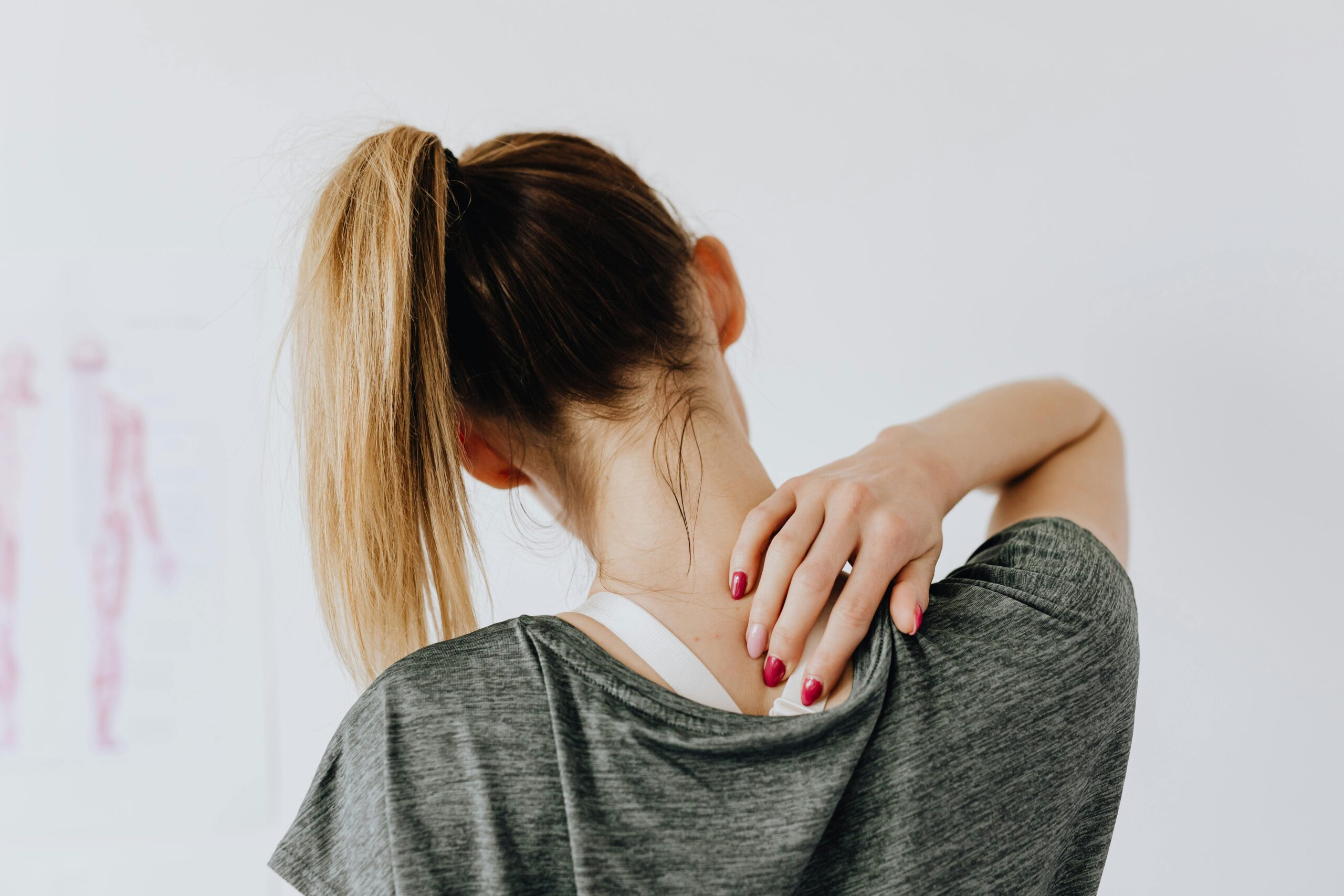
The quick version involves tensing and releasing major muscle groups in rapid succession. Start by making tight fists—squeeze for three seconds, then release and notice the sensation of relaxation. Tense your shoulders by pulling them toward your ears, hold, then drop them. Squeeze your facial muscles toward the center of your face, hold, then relax completely.
The contrast between tension and relaxation helps your brain recognize what true relaxation feels like. With practice, you can achieve the same relaxed state without the tensing phase, simply by directing your attention to each muscle group and releasing any holding you notice.
📍 Acupressure Points for Instant Calm
Traditional Chinese medicine has identified specific points on the body that, when pressed, can produce rapid relaxation effects. Modern research has confirmed that stimulating these points can influence stress hormone levels and nervous system activity.
Key Pressure Points for Quick Relief
The third eye point, located between your eyebrows where the bridge of your nose meets your forehead, is powerful for reducing anxiety and mental fatigue. Use your thumb or index finger to apply gentle but firm pressure for 5-10 seconds while breathing deeply.
The inner gate point sits on your inner forearm, about three finger-widths below your wrist crease, between the two prominent tendons. Press firmly for 30 seconds on each arm. This point is particularly effective for nausea related to anxiety and for calming a racing heart.
The union valley point, located in the soft flesh between your thumb and index finger, is excellent for tension headaches and general stress. Pinch and massage this area for 30 seconds on each hand. Avoid this point if you’re pregnant, as it’s traditionally used to induce labor.
🎯 The Quick Body Scan: 60-Second Awareness Practice
A full body scan meditation might take 20-30 minutes, but you can achieve significant benefits from a condensed version that takes just one minute. This practice builds body awareness and interrupts stress patterns before they escalate.
Close your eyes if possible, or soften your gaze. Take one deep breath, then mentally sweep your attention from the top of your head down through your body to your toes. You’re not trying to change anything—simply notice. Where do you feel tension? Where do you feel relaxed? Is your breathing shallow or deep? Are your shoulders raised or relaxed?
This brief check-in creates a pause in your stress reaction, and awareness alone often triggers spontaneous release of unnecessary tension. Make this a habit throughout your day, setting reminders every few hours to do a quick body scan.
🔊 Vocal Toning for Vagus Nerve Stimulation
Your vagus nerve is the primary pathway of your parasympathetic nervous system, and it responds powerfully to vibration. Vocal toning—creating sustained sounds—stimulates this nerve and triggers a relaxation response.
The simplest technique involves humming. Take a comfortable breath and hum on your exhale, feeling the vibration in your chest, throat, and face. The pitch doesn’t matter; choose whatever feels natural. Continue for several breaths, focusing on the sensation of vibration rather than the sound itself.
Alternatively, you can use the “Voo” sound, which creates a particularly strong vibration in your torso. Inhale, then on your exhale, make a deep “Vooooo” sound, like a foghorn. The lower and longer you can sustain it, the more powerful the effect. Just three to five of these vocalizations can shift your nervous system state remarkably.
🌡️ Temperature Shock: The Cold Water Technique
Sudden temperature changes, particularly cold exposure, create an immediate physiological shift that interrupts stress patterns. This technique activates the mammalian dive reflex, which slows your heart rate and redirects blood flow.
The easiest application involves splashing cold water on your face, particularly around your eyes and temples. If you’re experiencing intense anxiety or a panic attack, fill a bowl with ice water and submerge your face for just 10-15 seconds while holding your breath. The effect is almost instantaneous.
Alternatively, run cold water over the insides of your wrists for 30 seconds. These areas have blood vessels close to the skin’s surface, and cooling them quickly affects your entire system. Keep a cold water bottle or ice pack accessible for moments when you need rapid intervention.
📝 Creating Your Personal Quick Calm Protocol Sheet
The most effective stress relief system is one you’ll actually use. Create a personalized protocol sheet with the techniques that resonate most with you. Test each method during calm moments first, so you know how it feels and can execute it automatically when stress hits.
Your sheet might look something like this:
- For immediate panic: 4-7-8 breathing (4 rounds) + cold water on face
- For general anxiety: 5-4-3-2-1 grounding + inner gate acupressure
- For tension headaches: Union valley pressure points + vocal humming
- For before stressful events: 60-second body scan + progressive muscle relaxation
- For evening wind-down: 4-7-8 breathing + full body scan
Print this sheet and keep it where you’ll see it—on your desk, in your wallet, as your phone’s lock screen. In moments of high stress, your thinking brain goes offline, and having a simple visual reference can guide you back to these practices.
⏱️ Timing and Frequency: Building Your Calm Practice
While these techniques provide immediate relief, their effectiveness compounds with regular practice. Your nervous system learns to shift states more easily the more you practice, similar to strengthening a muscle.
Consider using these protocols preventatively throughout your day, not just in crisis moments. Practice 4-7-8 breathing during your morning routine, use the body scan during lunch breaks, and apply acupressure during afternoon energy slumps. This proactive approach reduces your baseline stress level, meaning you’re starting from a calmer place when challenges arise.
🔄 Combining Techniques for Maximum Effect
While each technique is powerful alone, combining them creates synergistic effects. For example, starting with three rounds of 4-7-8 breathing, then moving into acupressure while maintaining slow, deep breaths, then finishing with vocal humming creates a comprehensive nervous system reset in just three to four minutes.
Experiment with different combinations to find your most effective protocols. You might discover that certain sequences work better for specific types of stress—one combination for work anxiety, another for social stress, and another for physical tension.
📱 Digital Tools and Apps That Support Quick Calm
While these techniques don’t require technology, apps can provide helpful guidance, timers, and reminders. Breathing apps with visual guides can help you maintain proper timing until the rhythms become automatic. Guided body scan apps offer structured practices when you need additional support.
Some apps also track your practice consistency and can reveal patterns in your stress levels throughout the day, helping you identify when you most need preventative interventions. The key is choosing tools that simplify rather than complicate your practice.
🌟 Troubleshooting Common Obstacles
Many people struggle initially with breath techniques, finding that focusing on breathing makes them feel more anxious or creates a sensation of not getting enough air. This is normal and temporary. Start with shorter practice sessions and don’t force the breath—let it be gentle and natural. If holding your breath feels uncomfortable, reduce the count until you build capacity.
If you find yourself forgetting to use these techniques when stress hits, that’s also normal. Stress impairs memory and executive function. This is why creating environmental cues matters—sticky notes, phone reminders, or even a specific object you associate with calm can trigger the memory to apply these tools.
Some people resist these practices because they seem too simple to work, or because they believe their stress is somehow different or more serious. Give these techniques a genuine trial period of two weeks, using them consistently, before making judgments about their effectiveness. The simplicity is the point—these work precisely because they’re accessible and don’t require perfect conditions or extensive training.
🎁 The Compounding Benefits of Regular Practice
Beyond immediate stress relief, consistent use of these techniques creates lasting changes in your nervous system’s responsiveness. Research shows that regular breathing practices can lower resting heart rate, reduce blood pressure, improve heart rate variability (a key marker of nervous system health), and even influence gene expression related to inflammation and immune function.
You’re essentially training your body to be less reactive to stressors and more resilient in recovery. Over time, situations that once triggered intense stress responses become manageable. You develop what researchers call “stress resilience”—not the absence of stress, but the capacity to move through it without it derailing your day or your health.
🚀 Moving Forward with Your Quick Calm Practice
The most important step is starting—not perfectly, just consistently. Choose one technique from this protocol that appeals to you most and commit to using it three times daily for one week, regardless of your stress level. This builds the neural pathways that make the technique automatic when you need it most.
Remember that these tools are always available to you. Unlike meditation apps, therapy sessions, or medications, these techniques go wherever you go. They work in traffic, in meetings, in the middle of the night, and in any situation where stress appears. You’re building a portable pharmacy of calm that no one can take away from you.
Your Quick Calm protocol sheet is your personalized stress first-aid kit. With practice, these techniques become second nature—instinctive responses that activate before stress can fully take hold. You’re not just managing stress; you’re fundamentally changing your relationship with it, moving from feeling like a victim of your stress responses to being an active participant in your own nervous system regulation. That shift represents true empowerment and lasting well-being.