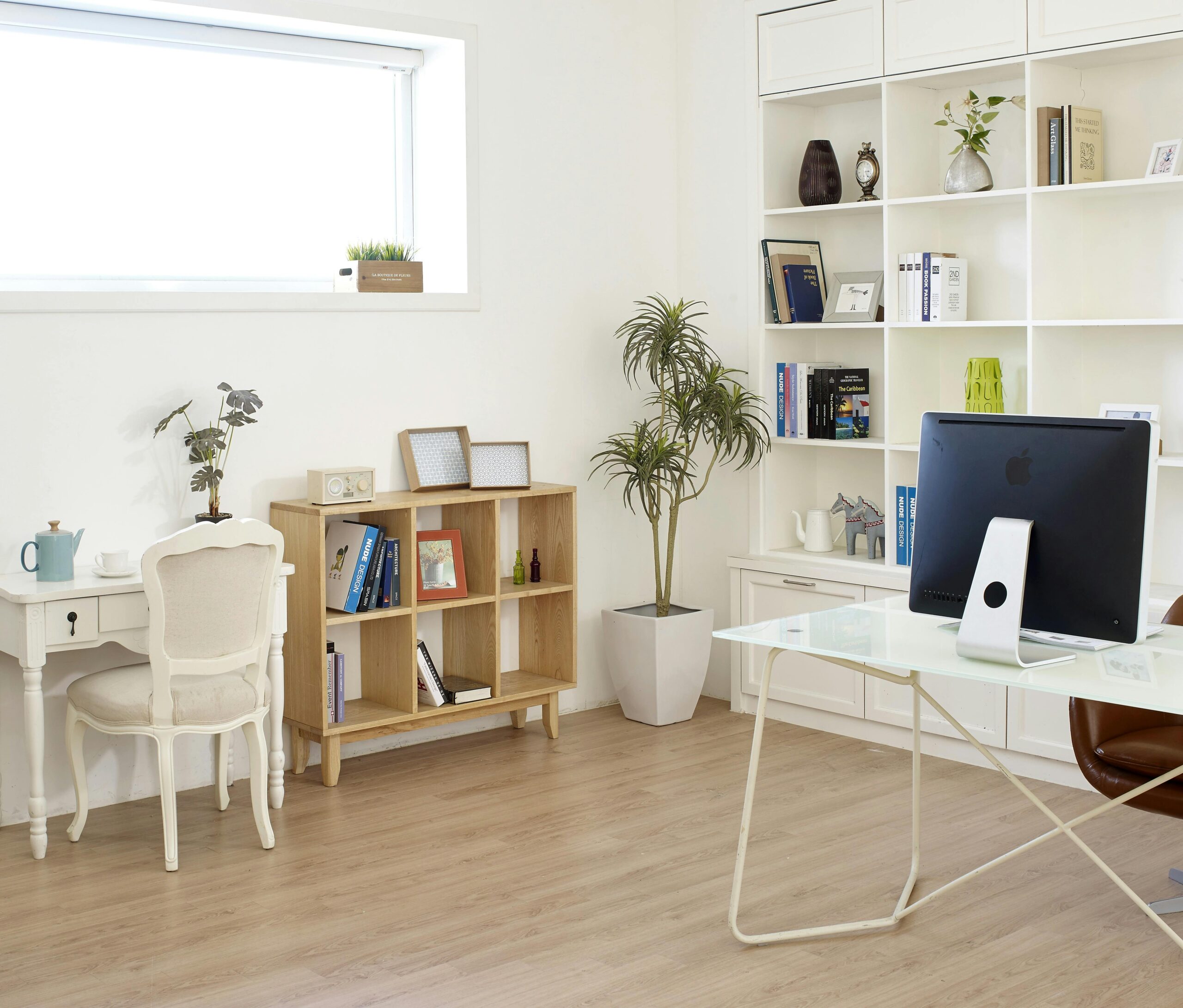
Living with migraines means navigating a world of triggers, and lighting often tops the list. Understanding how to control your visual environment can transform your daily comfort and reduce the frequency of debilitating headaches.

Modern life exposes us to countless artificial light sources that can trigger or worsen migraine symptoms. From fluorescent office lights to smartphone screens, these everyday exposures create challenges for migraine sufferers. The good news is that strategic lighting adjustments can provide significant relief without requiring major lifestyle overhauls or expensive treatments.
💡 Understanding the Light-Migraine Connection
Photophobia, or light sensitivity, affects approximately 80-90% of people who experience migraines. This heightened sensitivity doesn’t just occur during an attack—many migraine sufferers experience ongoing light sensitivity between episodes. Research suggests that certain wavelengths of light, particularly blue and green spectrum light, can trigger neural pathways that lead to migraine development.
The retina contains specialized photoreceptors that communicate directly with brain regions involved in pain processing. When these receptors encounter certain types of lighting, they can activate pathways that contribute to migraine onset. This biological reality means that managing your light exposure isn’t just about comfort—it’s about addressing a fundamental trigger mechanism.
The Science Behind Light Triggers
Studies have identified that blue light wavelengths between 480-490 nanometers are particularly problematic for migraine sufferers. This wavelength range is abundant in LED screens, fluorescent lighting, and natural daylight. When this light enters the eye, it stimulates melanopsin-containing retinal ganglion cells, which have direct connections to the thalamus—a key brain region involved in migraine pathology.
Conversely, research has shown that narrow-band green light around 530 nanometers may actually reduce migraine pain intensity in some individuals. This finding has opened new avenues for therapeutic lighting approaches and helps explain why certain light adjustments work better than others.
🏠 Optimizing Your Home Lighting Environment
Your home should be your sanctuary from migraine triggers. Creating a lighting setup that supports your wellness requires thoughtful consideration of each room’s function and your specific sensitivity patterns.
Bedroom Lighting Strategies
The bedroom deserves special attention since proper lighting here affects both migraine prevention and recovery. Install dimmer switches on all bedroom lights to provide complete control over intensity. Choose warm-toned LED bulbs with a color temperature between 2700K and 3000K, which emit less blue light than cooler alternatives.
Blackout curtains or blinds are essential investments for migraine sufferers. They block morning light that might trigger attacks and create the darkness necessary for migraine recovery. Consider layering window treatments—combining blackout shades with curtains provides maximum light control while maintaining aesthetic appeal.
For nighttime navigation, use motion-activated night lights with red or amber LEDs. These wavelengths don’t disrupt melatonin production or trigger photophobia as readily as white or blue light.
Living Spaces and Work Areas
Common areas require balanced lighting that accommodates various activities without creating trigger conditions. Replace overhead fluorescent fixtures with LED alternatives that include diffusers to eliminate harsh direct light and reduce flicker.
Position task lighting thoughtfully to provide adequate illumination for reading or detailed work without creating glare. Adjustable desk lamps with warm LEDs allow you to direct light exactly where needed while keeping ambient lighting low.
Consider the placement of mirrors and reflective surfaces, as these can create unexpected glare spots that trigger symptoms. Matte finishes on walls and furniture reduce reflection and create a more migraine-friendly environment.
📱 Managing Digital Screen Exposure
In our connected world, avoiding screens entirely isn’t realistic for most people. However, strategic adjustments can minimize their migraine-triggering potential while maintaining productivity and connectivity.
Display Settings That Make a Difference
Start by reducing your screen brightness to the lowest comfortable level. Most devices default to maximum brightness, which is far more intense than necessary for indoor use. Enable automatic brightness adjustment features that adapt to ambient lighting conditions.
Activate blue light filtering features available on most modern devices. These “night mode” or “reading mode” settings shift the color temperature toward warmer tones, reducing blue light emission. Schedule these features to activate automatically during evening hours, or use them continuously if you’re particularly sensitive.
Adjust text size and contrast settings to reduce eye strain. Larger text with high contrast between background and foreground reduces the effort required for reading, which can help prevent migraine onset triggered by eye fatigue.
Screen Time Management Techniques
Implement the 20-20-20 rule: every 20 minutes, look at something 20 feet away for 20 seconds. This practice relaxes eye muscles and provides brief respites from screen light exposure.
Use apps that remind you to take breaks and track your screen time. Understanding your usage patterns helps identify whether excessive exposure correlates with migraine frequency.
Position screens to minimize glare from windows or overhead lights. The top of your monitor should be at or slightly below eye level, positioned 20-26 inches from your eyes. This ergonomic setup reduces strain that can contribute to migraine development.
🕶️ Protective Eyewear Solutions
Specialized glasses offer portable protection from problematic lighting regardless of your environment. These tools have become increasingly sophisticated and effective for migraine management.
Types of Migraine Glasses
FL-41 tinted lenses filter out blue and green light wavelengths most associated with migraine triggers. Studies show these lenses can reduce migraine frequency and light sensitivity for many users. The distinctive rose-colored tint may take adjustment, but many people find the benefits outweigh aesthetic considerations.
Precision-tinted lenses use colorimetry testing to identify your specific optimal tint. This personalized approach addresses individual variations in light sensitivity and can be particularly effective for those who find standard FL-41 tints insufficient.
Blue light blocking glasses designed for computer use offer a less noticeable option suitable for office environments. While generally less effective than FL-41 lenses for migraine prevention, they still provide meaningful protection during extended screen time.
Choosing and Using Protective Eyewear
Invest in prescription versions if you need vision correction—combining therapeutic tinting with necessary prescriptions ensures you’ll actually wear them consistently. Many optical providers now offer migraine-specific lens options.
Keep protective eyewear in multiple locations: your desk, car, bedroom, and bag. Easy access means you’re more likely to use them when entering triggering environments rather than toughing it out and risking an attack.
🏢 Workplace Lighting Modifications
Office environments often feature the worst possible lighting for migraine sufferers—bright fluorescent overheads with no individual control. Advocating for your needs while maintaining professionalism requires strategy and communication.
Approaching Workplace Accommodations
Frame lighting requests as reasonable accommodations under disability laws if applicable in your region. Migraines are recognized as potentially disabling conditions, and employers have obligations to provide reasonable modifications that enable you to perform your job.
Propose specific solutions rather than just identifying problems. Suggest alternatives like desk lamps to replace overhead lighting, cubicle location changes away from windows or bright fixtures, or permission to wear tinted glasses indoors.
Document how lighting modifications improve your productivity and reduce sick time. Employers respond better to accommodation requests when they understand the business case alongside the health necessity.
DIY Workspace Improvements
If formal accommodations aren’t immediately available, implement changes within your control. Position your workspace perpendicular to windows to minimize glare without losing natural light benefits. Use a desk lamp with a warm LED bulb to create adequate task lighting that allows you to turn off harsh overheads.
Create a makeshift diffuser for fluorescent lights above your workspace using frosted acrylic panels or fabric diffusers. These materials soften harsh light without completely blocking necessary illumination.
Plants and strategic decoration can absorb light and reduce the overall brightness around your workspace while creating a more pleasant environment. Choose items with matte surfaces rather than glossy finishes that create additional glare.
☀️ Managing Natural Light Exposure
Sunlight presents unique challenges—it’s beneficial for mood and circadian rhythm regulation but can trigger migraines through brightness and glare. Finding balance requires flexibility and preparation.
Outdoor Strategies
Wear wide-brimmed hats or visors alongside protective sunglasses when outdoors. This combination provides superior protection compared to sunglasses alone by blocking light from multiple angles.
Plan outdoor activities for times when sun intensity is lower—early morning or late afternoon rather than midday. Check UV index forecasts alongside weather reports and adjust plans when conditions are particularly triggering.
Seek shaded areas and position yourself strategically to minimize direct sun exposure. Face away from the sun when possible, and use umbrellas or canopies for extended outdoor time.
Indoor Natural Light Management
Window treatments should provide flexible control over natural light entry. Cellular shades, adjustable blinds, or sheer curtains allow you to modulate brightness throughout the day as sun angles change.
Apply window film that filters UV rays and reduces glare without completely blocking light. These films maintain views and natural light benefits while eliminating the harshest components that trigger symptoms.
Arrange furniture to take advantage of natural light without creating triggering conditions. Position seating areas where indirect natural light provides illumination without putting you directly in bright beams or glare zones.
🎯 Creating Your Personal Action Plan
Effective lighting management requires personalization since migraine triggers vary significantly between individuals. Developing a systematic approach helps identify your specific sensitivities and most effective interventions.
Tracking Light Exposure and Symptoms
Maintain a detailed migraine diary that includes lighting conditions alongside traditional trigger factors. Note the type of lighting (natural, LED, fluorescent), duration of exposure, and timing relative to symptom onset.
Rate your light sensitivity on a scale during different conditions and times of day. Patterns may emerge showing that you’re more vulnerable to light triggers during certain parts of your menstrual cycle, after poor sleep, or in combination with other factors.
Use migraine tracking apps that allow custom variables so you can include detailed lighting information. The more specific your tracking, the clearer your personal trigger patterns become.
Implementing Changes Strategically
Make one adjustment at a time to clearly assess its impact. Changing multiple variables simultaneously makes it impossible to determine which interventions are actually helping versus those making no difference for your specific situation.
Allow at least two weeks to evaluate each change, as migraine patterns often require time to shift. Premature conclusions can lead to abandoning helpful strategies or continuing ineffective ones.
Start with the lowest-cost, easiest implementations first. Dimmer switches and screen settings cost nothing to adjust and can provide immediate relief while you evaluate whether larger investments like specialized glasses or lighting replacements are warranted.
🌟 Advanced Lighting Technologies and Future Options
Emerging technologies offer increasingly sophisticated approaches to therapeutic lighting for migraine management. Staying informed about these developments helps you take advantage of innovations as they become accessible.
Smart Lighting Systems
Programmable LED systems allow precise control over color temperature, intensity, and timing. These systems can automatically adjust throughout the day to support circadian rhythms while avoiding trigger wavelengths.
Voice-activated controls eliminate the need to navigate bright spaces to adjust lighting during an attack. Simple commands can instantly create the darkness necessary for recovery without physical exertion.
Integration with other smart home systems enables lighting to respond to environmental conditions or your location, creating optimal conditions automatically as you move through different spaces.
Therapeutic Light Devices
Narrow-band green light therapy devices are emerging based on research showing this specific wavelength may reduce migraine pain. While still relatively new, early results suggest promise for some patients.
Specialized light therapy boxes designed for migraine sufferers differ from standard SAD lamps by filtering out problematic wavelengths while delivering beneficial light exposure for mood and energy regulation.

🔄 Maintaining Long-Term Success
Lighting management for migraine relief isn’t a one-time fix but an ongoing practice that evolves with your needs, environment, and available technologies. Building sustainable habits ensures continued benefits.
Regularly reassess your lighting setup as circumstances change. Moving homes, changing jobs, or shifts in your migraine patterns may require adjustments to previously effective strategies.
Stay connected with migraine communities online and through healthcare providers to learn about new approaches and technologies. What works for others may not work for you, but exposure to different strategies expands your toolkit.
Remember that lighting management works best as part of comprehensive migraine care including appropriate medical treatment, stress management, sleep hygiene, and dietary considerations. Light control is powerful but most effective within a holistic approach.
Be patient with yourself and the process. Finding your optimal lighting environment takes experimentation and adjustment. Each change you make builds toward a more comfortable, less triggering daily experience that supports your overall wellness and quality of life. The effort invested in creating a migraine-friendly lighting environment pays dividends through reduced attack frequency, shorter recovery times, and improved ability to engage fully in work, relationships, and activities you enjoy. ✨