Modern life moves fast, and stress can strike at any moment—whether you’re stuck in traffic, preparing for a presentation, or navigating unexpected challenges. Having instant access to proven calming techniques can transform how you respond to anxiety and overwhelm.

Imagine carrying a personal wellness coach in your pocket, ready to guide you through moments of stress with evidence-based breathing exercises and grounding techniques. This isn’t about adding another complicated self-care routine to your already busy life—it’s about having simple, effective tools exactly when you need them most.
🌬️ Why Breathing and Grounding Exercises Matter More Than Ever
Our nervous systems weren’t designed for the constant stimulation of modern living. The relentless notifications, deadlines, and information overload trigger our fight-or-flight response repeatedly throughout the day. This chronic activation leaves us feeling anxious, exhausted, and disconnected from our bodies.
Breathing exercises work by directly influencing your autonomic nervous system—the control center for stress responses. When you consciously slow and deepen your breath, you send signals to your brain that it’s safe to relax. This isn’t just feel-good advice; it’s neuroscience in action.
Grounding techniques complement breathwork by anchoring your awareness to the present moment. When anxiety pulls your mind toward worst-case scenarios or regrets about the past, grounding brings you back to what’s real and immediate. Together, these practices create a powerful toolkit for emotional regulation.
The Science Behind Portable Calm: What Makes Rescue Cards Effective
Research consistently demonstrates that quick-access stress relief tools significantly improve adherence to wellness practices. The barrier to entry matters tremendously—if a calming technique requires extensive setup or perfect conditions, you’re unlikely to use it during actual moments of stress.
Physical or digital rescue cards work because they eliminate decision fatigue. When anxiety spikes, your cognitive resources are already compromised. Having pre-selected, proven exercises at your fingertips means you don’t have to remember techniques or search for guidance when you need it most.
Studies published in journals like Frontiers in Psychology have shown that even brief breathing interventions—as short as two minutes—can measurably reduce cortisol levels and heart rate variability. The key is accessibility and consistency, which is precisely what a well-designed rescue card provides.
The Psychological Power of Preparedness
There’s another dimension to rescue cards that goes beyond the exercises themselves: the confidence that comes from being prepared. Knowing you have reliable tools to manage stress reduces anticipatory anxiety. You’re less likely to fear stressful situations when you trust your ability to regulate your response.
This phenomenon, sometimes called “anxiety about anxiety,” can be more debilitating than the original stressor. By carrying your rescue card—whether physical or digital—you’re essentially telling your nervous system: “We’ve got this. We’re prepared.”
📱 Essential Features Your Rescue Card Should Include
Not all rescue cards are created equal. The most effective ones share several key characteristics that make them genuinely useful during moments of acute stress. Understanding these elements helps you evaluate whether a particular tool will actually serve you when it matters.
Simplicity Above All Else
Your rescue card should feature instructions that are immediately understandable, even when your thinking is clouded by anxiety. Overly complex techniques or lengthy explanations defeat the purpose. Look for clear, step-by-step guidance with minimal text.
Visual cues work exceptionally well for breathing exercises. Simple animations or diagrams showing inhale-hold-exhale patterns allow you to follow along without extensive reading. The best designs let you start the exercise within seconds of opening the card.
Variety for Different Situations
Different stressors call for different approaches. A comprehensive rescue card offers multiple techniques suited to various scenarios:
- Quick resets: 60-90 second exercises for immediate relief when time is limited
- Deep calming sessions: 5-10 minute practices for more thorough nervous system regulation
- Grounding techniques: Sensory-focused exercises that work even in public spaces
- Breathing patterns: Multiple rhythms including box breathing, 4-7-8 technique, and coherent breathing
- Physical grounding: Body-based exercises that release tension and anchor awareness
Portability and Accessibility
The best rescue card is the one you actually have with you. Digital solutions offer unmatched portability—your smartphone is almost always within reach. However, some people prefer physical cards they can touch and hold, which itself can be grounding.
Consider your lifestyle and preferences. If you’re frequently in situations where pulling out your phone isn’t practical, a laminated physical card might serve you better. For most people, though, a dedicated app or saved resource on their phone provides the most reliable access.
🧘 Top Breathing Exercises Your Rescue Card Must Include
Certain breathing techniques have stood the test of time and scientific scrutiny. Your rescue card should prioritize these proven methods, each offering unique benefits for different types of stress responses.
Box Breathing: The Foundation Technique
Also known as square breathing, this technique is used by Navy SEALs, first responders, and athletes to maintain composure under extreme pressure. The pattern is beautifully simple: inhale for four counts, hold for four, exhale for four, hold for four, then repeat.
Box breathing works by creating rhythm and predictability, which the nervous system finds inherently calming. The equal intervals balance your sympathetic and parasympathetic nervous systems, creating a sense of equilibrium. This technique works equally well for anxiety, anger, or general stress.
The 4-7-8 Technique: Your Natural Tranquilizer
Developed by Dr. Andrew Weil, this breathing pattern acts as a natural sedative for the nervous system. You inhale quietly through your nose for four counts, hold your breath for seven counts, then exhale completely through your mouth for eight counts.
The extended exhale is what makes this technique particularly effective for anxiety and insomnia. By spending more time exhaling than inhaling, you activate your parasympathetic nervous system—the “rest and digest” mode. Many people find this technique helpful before sleep or during panic attacks.
Coherent Breathing: The Optimal Rhythm
Research has identified approximately five breaths per minute as an optimal breathing rate for heart rate variability and stress reduction. Coherent breathing involves breathing in and out through your nose for equal counts—typically five or six seconds each direction.
This technique doesn’t require breath-holding, making it comfortable for extended practice. It’s ideal for longer calming sessions when you have 5-10 minutes and want to deeply reset your nervous system. Regular practice can improve your baseline stress resilience over time.
🌍 Grounding Techniques That Work Anywhere, Anytime
While breathing exercises focus on physiology, grounding techniques anchor you to the present moment through sensory awareness. These practices are particularly valuable when anxiety catapults your mind into future worries or past regrets.
The 5-4-3-2-1 Sensory Technique
This is perhaps the most versatile grounding exercise because it works in literally any environment. You systematically acknowledge five things you can see, four things you can touch, three things you can hear, two things you can smell, and one thing you can taste.
The beauty of this technique lies in how it redirects your attention from internal anxiety to external reality. By the time you’ve worked through all your senses, you’ve spent several minutes in present-moment awareness, which typically reduces anxiety significantly.
Physical Grounding Through Body Awareness
Sometimes the fastest route to calm is through your body rather than your mind. Progressive muscle relaxation, where you systematically tense and release muscle groups, can release physical tension that’s amplifying emotional stress.
Another powerful physical grounding technique involves pressing your feet firmly into the ground and noticing the sensation of connection with the earth. This sounds simple, but it creates an immediate sense of stability and presence. You can do this standing or sitting, making it perfect for office environments or public spaces.
The Hand Temperature Technique
This lesser-known grounding exercise involves rubbing your hands together vigorously for 10-15 seconds, then slowly separating them and noticing the warmth between your palms. Focus entirely on the sensation—the heat, the tingling, the energy between your hands.
This technique works because it creates a distinct physical sensation that captures your attention. It’s discrete enough to use almost anywhere and requires no special conditions or equipment.
💡 Creating Your Personalized Rescue Card Strategy
Generic advice rarely serves individual needs effectively. Your rescue card should reflect your specific triggers, preferences, and lifestyle constraints. Taking time to personalize your approach dramatically increases the likelihood you’ll actually use these tools when needed.
Identifying Your Stress Patterns
Spend a week noticing when and how stress shows up in your life. Does it manifest as physical tension in your shoulders? Racing thoughts? Shortness of breath? Different stress symptoms respond better to different techniques.
If your stress primarily manifests physically—tight chest, clenched jaw, tense shoulders—emphasize breathing exercises and physical grounding techniques. If your stress is more cognitive—racing thoughts, catastrophizing, worry spirals—prioritize sensory grounding and longer breathing practices that occupy your mind.
Testing and Refining Your Toolkit
Not every technique will resonate with you, and that’s perfectly normal. Give each exercise a fair trial—at least three separate attempts in different circumstances—before deciding whether it belongs in your personal rescue card.
Some people love breath-holding techniques while others find them uncomfortable. Some find sensory grounding incredibly effective while others prefer movement-based practices. Your rescue card should contain only techniques that you’ve personally validated as helpful.
📲 Digital vs. Physical: Choosing Your Rescue Card Format
The format of your rescue card significantly impacts whether you’ll actually use it. Both digital and physical options have distinct advantages depending on your circumstances and preferences.
The Case for Digital Rescue Cards
Smartphone apps designed specifically for breathing and grounding exercises offer several compelling advantages. They provide guided audio instructions, which means you can close your eyes and simply follow along. Visual breathing guides with animations make it easy to match your breath to the optimal rhythm without counting.
Digital solutions also offer personalization features, progress tracking, and the ability to carry dozens of techniques without any physical burden. For most people, their phone is more reliably present than any physical item they might carry.
The Benefits of Physical Cards
Despite the convenience of digital tools, physical rescue cards offer unique advantages. There’s no screen to trigger additional stress or distraction. The tactile experience of holding a card can itself be grounding. Physical cards work without battery life or internet connection concerns.
Some people find that the act of intentionally reaching for a physical card creates a psychological transition—a deliberate choice to engage with calming practices. This ritualistic element can enhance the effectiveness of the exercises themselves.
The Hybrid Approach
Many people benefit from maintaining both digital and physical options. Keep a laminated card in your wallet or work bag as a backup, while primarily using a smartphone app for guided practice. This redundancy ensures you’re never without access to your calming techniques.
🎯 Making Your Rescue Card a Habit, Not an Afterthought
The most perfectly designed rescue card provides zero value if it sits unused until you’re in full crisis mode. Building regular practice into your routine transforms these exercises from emergency interventions into proactive wellness tools.
The Two-Minute Morning Practice
Start each day with just one exercise from your rescue card—ideally a breathing technique. This accomplishes multiple goals: you practice the skill when you’re calm (making it more accessible during stress), you set a centered tone for your day, and you build the habit of using your rescue card.
Morning practice doesn’t need to be lengthy or complicated. Even sixty seconds of box breathing or coherent breathing provides benefits. The consistency matters far more than the duration, especially when you’re building a new habit.
Strategic Mid-Day Resets
Schedule brief rescue card sessions during your day, particularly before predictably stressful events. Set a reminder before afternoon meetings, your commute home, or whenever your energy typically dips. These preventive resets maintain your resilience rather than waiting for stress to accumulate.
Think of these practices like brushing your teeth—preventive maintenance that’s far easier than addressing problems after they’ve developed. Regular use keeps your nervous system more balanced overall, reducing both the frequency and intensity of stress responses.
🌟 Overcoming Common Obstacles to Using Your Rescue Card
Even with the best intentions and tools, certain barriers prevent people from consistently using their rescue cards. Anticipating and addressing these obstacles dramatically improves your success rate.
The “I Don’t Have Time” Trap
This is the most common excuse, and it’s usually based on misunderstanding what’s required. You don’t need twenty minutes of meditation. Sixty seconds of focused breathing creates measurable physiological changes. Ninety seconds of grounding can shift your entire nervous system state.
The question isn’t whether you have time—it’s whether you’re willing to prioritize sixty seconds of regulation over sixty seconds of stress rumination. Reframing these practices as time-saving rather than time-consuming helps overcome this barrier.
Feeling Self-Conscious in Public Spaces
Many grounding and breathing techniques are entirely invisible to others. Coherent breathing looks like normal breathing to anyone watching. The 5-4-3-2-1 technique happens entirely in your mind. Hand temperature exercises appear as nothing more than briefly rubbing your hands together.
If you’re in a truly public space where even closing your eyes feels uncomfortable, excuse yourself to a restroom for two minutes of privacy. This small investment in your well-being prevents hours of subsequent stress and diminished functioning.
Forgetting About Your Rescue Card Until Crisis Hits
Building reminders into your environment solves this problem. If you’re using a digital rescue card, place the app icon in a prominent position on your home screen. If physical, keep it somewhere you’ll see it regularly—not tucked away in a wallet compartment.
Connect rescue card usage to existing habits. Every time you check your email, take three deep breaths first. When you get in your car, practice box breathing before starting the engine. These habit stacking techniques integrate your rescue card into existing routines.
✨ Your Journey Toward Portable Peace
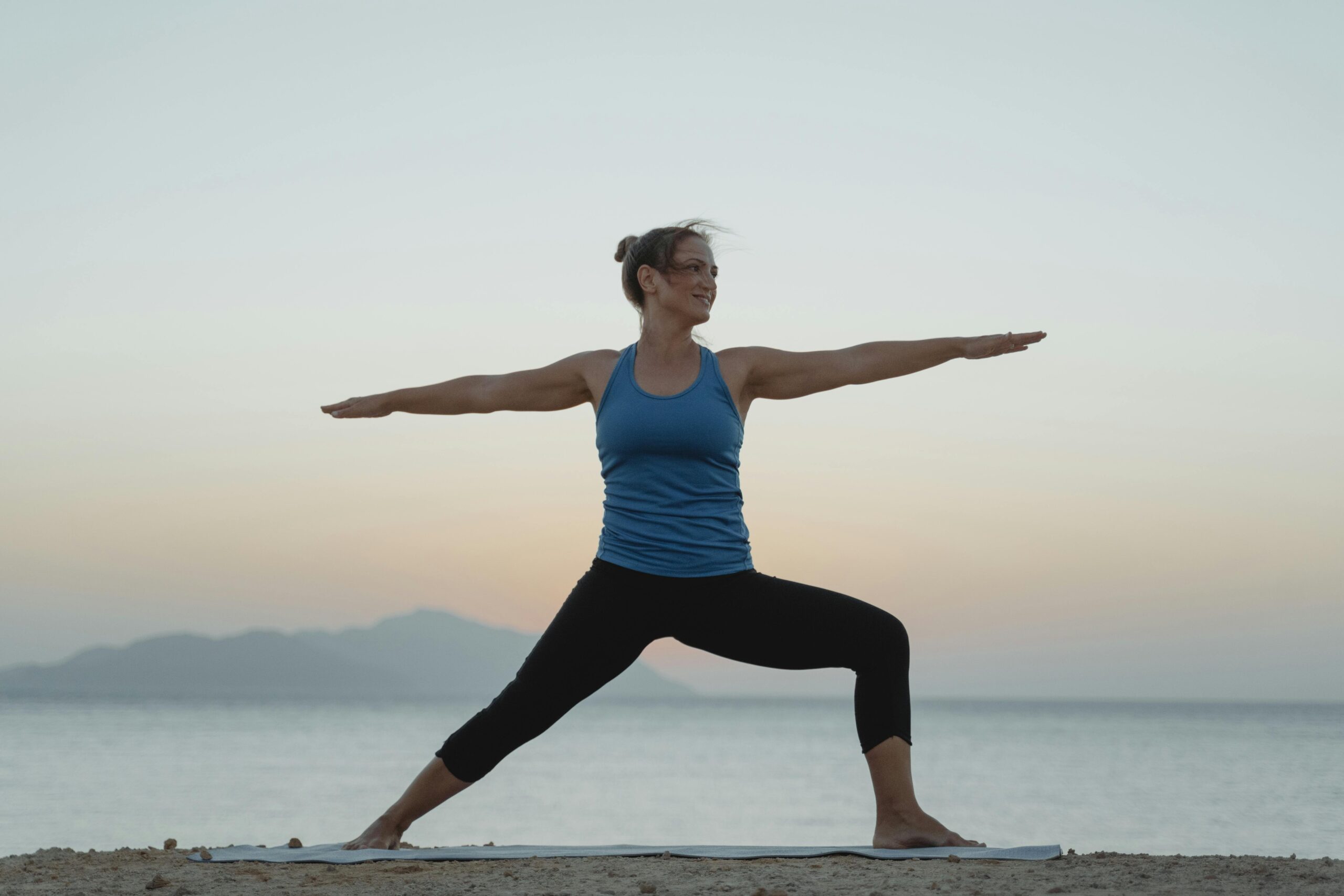
Creating and using a rescue card represents a profound shift in how you relate to stress. Instead of feeling victimized by anxiety or overwhelmed by life’s pressures, you’re equipped with practical, proven tools that restore your sense of agency and calm.
The techniques on your rescue card aren’t magic—they’re applied neuroscience, distilled into accessible practices that anyone can learn and benefit from. With consistent use, you’ll notice not just improved stress management in acute moments, but a baseline shift in your overall resilience and emotional regulation.
Start today. Choose just two or three techniques that resonate with you. Test them over the next week in different circumstances. Notice what works best for your unique nervous system and lifestyle. Gradually build your personalized rescue card into a trusted companion that helps you unlock calm anywhere, anytime.
Your well-being deserves this investment. The confidence, peace, and resilience you’ll cultivate through regular practice will ripple into every area of your life, transforming not just how you handle stress, but how you experience each moment of your day.