
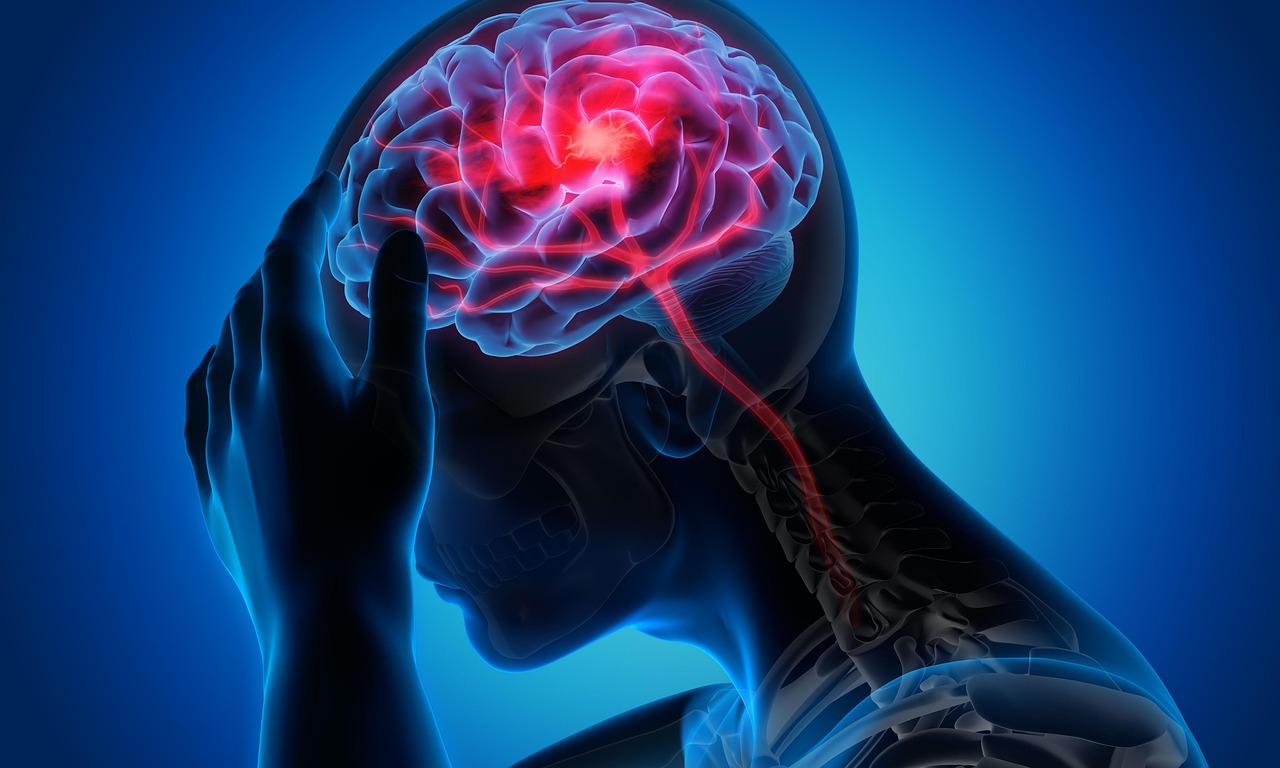
Migraines can feel like a storm brewing inside your head, threatening to derail your entire day. Understanding how to recognize and stop symptoms early can transform your relationship with these debilitating headaches.

Every year, over one billion people worldwide experience migraines, making them one of the most common neurological conditions. The good news? With the right strategies and timely intervention, you can significantly reduce their impact on your life. This comprehensive rescue guide will walk you through proven techniques to catch migraine symptoms before they escalate into full-blown attacks.
🧠 Understanding Your Migraine Warning System
Your body often sends subtle signals hours or even days before a migraine fully develops. Learning to recognize these prodrome symptoms is your first line of defense. Many migraine sufferers report experiencing mood changes, food cravings, neck stiffness, or increased yawning 24-48 hours before the headache phase begins.
The aura phase affects approximately 25% of migraine sufferers and typically occurs 20-60 minutes before the pain starts. Visual disturbances like flashing lights, blind spots, or zigzag patterns are the most common aura symptoms. Some people experience sensory changes, including tingling in the hands or face, or even temporary speech difficulties.
Keeping a detailed migraine diary helps you identify your personal warning signs. Note the time symptoms begin, their intensity, environmental factors, foods consumed, stress levels, and sleep patterns. This information becomes invaluable for predicting and preventing future attacks.
⚡ The Critical First 30 Minutes: Your Window of Opportunity
The moment you recognize migraine symptoms beginning, you enter a crucial time window. Research shows that interventions started within the first 30 minutes are significantly more effective than those delayed until the headache is fully established. This is when your rescue plan must swing into immediate action.
First, stop whatever you’re doing and find a quiet, dark space. Light and noise sensitivity intensify rapidly during a migraine, so eliminating these triggers immediately can prevent symptom escalation. If you’re at work, inform a colleague and excuse yourself to a calm environment as quickly as possible.
Hydration is critical during this window. Dehydration is both a trigger and a worsening factor for migraines. Drink 16-20 ounces of water immediately, preferably with electrolytes. Add a pinch of salt or use a sports drink to enhance absorption and address any electrolyte imbalances that might be contributing to your symptoms.
Emergency Medication Timing Matters
If you’ve been prescribed abortive medications like triptans or ergotamines, take them during this early window. These medications work by constricting blood vessels and blocking pain pathways in the brain, but they’re most effective when taken at the first sign of symptoms rather than waiting for severe pain to develop.
Over-the-counter options like ibuprofen, naproxen, or aspirin combined with caffeine can also be effective when taken early. However, be cautious about medication overuse headaches, which can develop if you’re taking pain relievers more than 10-15 days per month. Always follow your healthcare provider’s recommendations regarding medication frequency.
🧊 The Cold and Compression Protocol
Temperature therapy provides remarkable relief for many migraine sufferers, particularly when applied early. The application of cold to specific areas can reduce inflammation and numb pain signals before they intensify. This non-pharmaceutical approach has no side effects and can be used alongside other treatments.
Apply an ice pack wrapped in a thin towel to your forehead, temples, or the back of your neck for 15-20 minutes. The cold constricts blood vessels and reduces the inflammatory response associated with migraines. Some people find alternating between cold and warm compresses every few minutes particularly effective, though experimentation is key to finding what works for your body.
Gentle compression around the head can also interrupt pain signals. Try wrapping a soft headband or scarf snugly (but not too tightly) around your forehead. This external pressure may provide a counterbalance to the throbbing sensation inside your head. Some migraine sufferers swear by specialized headache hats that provide both cold therapy and gentle compression simultaneously.
🌿 Natural Intervention Strategies That Work
Beyond medications, several evidence-based natural approaches can stop migraine progression when implemented early. Peppermint oil applied to the temples has shown promising results in clinical studies. The menthol component provides a cooling sensation and may help relax muscle contractions that contribute to migraine pain.
Magnesium deficiency is linked to increased migraine frequency, and taking 400-500mg of magnesium at the first sign of symptoms may help abort an attack. Magnesium helps regulate neurotransmitter function and blood vessel constriction. Choose magnesium glycinate or threonate for better absorption and fewer digestive side effects.
Ginger has natural anti-inflammatory properties that rival some pharmaceutical options. Fresh ginger tea or ginger supplements taken early can reduce nausea and may shorten migraine duration. One study found that 250mg of ginger powder was as effective as sumatriptan for some migraine sufferers, with fewer side effects.
The Power of Controlled Breathing
Stress and shallow breathing often accompany and worsen migraines. Deep, controlled breathing activates your parasympathetic nervous system, promoting relaxation and potentially stopping symptom escalation. Try the 4-7-8 breathing technique: inhale through your nose for 4 counts, hold for 7 counts, and exhale through your mouth for 8 counts.
This breathing pattern reduces stress hormones, lowers blood pressure, and may interrupt the cascade of neurological events that lead to full migraine development. Practice this technique for 5-10 minutes when symptoms first appear, finding a comfortable seated or lying position in your dark, quiet space.
🍽️ Emergency Nutrition Adjustments
What you eat or don’t eat in the early stages of a migraine can significantly impact its progression. Blood sugar fluctuations are common migraine triggers, so stabilizing glucose levels quickly is essential. If you haven’t eaten recently, consume a small snack combining protein and complex carbohydrates, like whole grain crackers with nut butter.
Avoid common trigger foods during this vulnerable period. Skip aged cheeses, processed meats, alcohol, artificial sweeteners, and MSG-containing foods. These substances can exacerbate migraine symptoms by affecting neurotransmitter levels or causing vasodilation. Stick to bland, easily digestible foods if you can eat at all.
Caffeine presents an interesting paradox for migraine sufferers. A small amount (equivalent to one cup of coffee) can enhance pain relief and help abort an attack, especially if you’re not a regular caffeine consumer. However, too much caffeine or sudden caffeine withdrawal can trigger migraines. Know your personal tolerance and use this tool strategically.
💤 The Strategic Rest Response
Sleep is one of the most powerful migraine interventions available, yet it’s often overlooked in our busy lives. When symptoms begin, lying down in a dark, cool room for even 20-30 minutes can prevent full migraine development. During this rest period, your brain can reset some of the neurological processes involved in migraine generation.
If falling asleep seems impossible due to pain or anxiety, focus on achieving deep relaxation rather than actual sleep. Progressive muscle relaxation, where you systematically tense and release muscle groups from your toes to your head, can produce profound physical and mental calm. This technique reduces the muscle tension that often accompanies and worsens migraines.
Create an optimal sleep environment immediately when symptoms start: blackout curtains or an eye mask, white noise or earplugs, a cool room temperature (around 65-68°F), and a supportive pillow that maintains proper neck alignment. Poor neck positioning can compress nerves and blood vessels, intensifying migraine pain.
📱 Tracking and Technology for Better Prevention
Modern technology offers powerful tools for migraine management. Specialized apps can help you track symptoms, identify patterns, predict attacks, and implement timely interventions. These digital diaries are more convenient than paper journals and often include weather tracking, medication reminders, and data visualization features.
Some apps use artificial intelligence to analyze your personal triggers and predict high-risk days before symptoms even begin. This predictive capability allows you to implement preventive measures proactively rather than reactively. Features like guided relaxation exercises, biofeedback training, and medication tracking make comprehensive migraine management more accessible.
Building Your Personal Rescue Kit
Preparation is essential for effective migraine management. Assemble a portable rescue kit containing everything you need to implement your action plan wherever you are. This proactive approach eliminates the stress of searching for supplies when you’re already symptomatic.
Your kit should include your prescribed medications, over-the-counter pain relievers, a small ice pack or instant cold compress, eye mask, earplugs or noise-canceling headphones, electrolyte packets or drinks, ginger candies or capsules, peppermint oil, and a list of your trigger foods to avoid. Keep one kit at home, one at work, and a travel-sized version in your car.
🔄 Creating Your Personalized Rescue Protocol
Every migraine sufferer is unique, and what works brilliantly for one person may be ineffective for another. Your ultimate goal is developing a customized, step-by-step protocol based on your specific symptoms, triggers, and response patterns. This personalized approach dramatically improves your success rate in stopping migraines before they take over.
Start by documenting which interventions work best for you during different phases and types of migraines. Perhaps cold therapy works better for tension-type migraines, while medication is essential for classic migraines with aura. Maybe morning migraines respond better to caffeine, while evening ones require immediate rest in a dark room.
Write out your protocol as a numbered checklist that you can follow even when cognitive function is impaired by migraine symptoms. Share this protocol with family members, roommates, or colleagues who might need to assist you during an attack. Having a clear action plan reduces decision-making stress during the critical early window.
Sample Step-by-Step Protocol
- Immediately recognize and acknowledge symptoms without panic
- Move to a quiet, dark space within 5 minutes
- Take prescribed abortive medication with 16-20 ounces of water
- Apply ice pack to forehead or neck for 15 minutes
- Practice 4-7-8 breathing technique for 10 minutes
- Consume small protein-carb snack if hungry
- Lie down with eye mask and attempt to rest for 30-60 minutes
- Reassess symptoms and adjust interventions as needed
🌟 Long-Term Strategies for Reduced Frequency
While immediate intervention is crucial, reducing migraine frequency through lifestyle modifications provides the most significant long-term relief. Consistent sleep schedules, regular exercise, stress management, and trigger avoidance work synergistically to reduce your baseline vulnerability to migraines.
Maintain a regular sleep-wake cycle, even on weekends. Irregular sleep patterns disrupt circadian rhythms and increase migraine susceptibility. Aim for 7-9 hours of quality sleep nightly, going to bed and waking at consistent times. This regularity helps stabilize the neurological systems involved in migraine generation.
Regular aerobic exercise performed at moderate intensity reduces migraine frequency for many sufferers. Activities like brisk walking, swimming, or cycling for 30-40 minutes, 3-5 times weekly, can decrease attack frequency by up to 50%. However, avoid intense exercise during vulnerable periods, as overexertion can trigger migraines in some people.
🤝 When to Escalate Care and Seek Emergency Help
While this guide focuses on self-management strategies, certain symptoms require immediate medical attention. If you experience sudden, severe headache unlike any previous migraine, headache accompanied by fever, stiff neck, confusion, vision loss, numbness, or difficulty speaking, seek emergency care immediately. These could indicate serious conditions like stroke, meningitis, or brain hemorrhage.
Additionally, if your migraines are increasing in frequency, becoming more severe, or no longer responding to treatments that previously worked, schedule an appointment with a headache specialist. Changes in migraine patterns sometimes indicate the need for different preventive medications or investigation of underlying conditions.
If you’re experiencing migraines more than 15 days per month, you may have chronic migraine, which requires specialized treatment approaches. Chronic migraine sufferers often benefit from preventive medications, Botox injections, CGRP inhibitors, or other advanced therapies that can significantly improve quality of life.
💪 Empowering Yourself Through Knowledge and Action
Mastering migraine management is a journey of self-discovery, patience, and persistence. The strategies outlined in this guide provide a comprehensive framework for stopping symptoms before they escalate, but remember that finding your optimal combination takes time and experimentation. Track your interventions, note what works, adjust what doesn’t, and celebrate your successes.
The transformation from feeling helpless against migraines to confidently implementing effective rescue strategies is profound. You’re not just managing symptoms; you’re reclaiming control over your life, your schedule, and your wellbeing. Each successful intervention builds your confidence and refines your understanding of your body’s unique patterns and needs.
Armed with this knowledge, your personalized rescue kit, and a clear action protocol, you’re now equipped to face migraine symptoms with confidence rather than fear. The key is swift recognition and immediate, decisive action during that critical early window. By consistently implementing these strategies, you’ll reduce both the frequency and severity of your migraines, opening up new possibilities for living a fuller, more comfortable life free from the constant threat of debilitating headaches taking over your day.