In a world that demands constant attention and rapid responses, high-sensitivity days call for a gentler approach. A low-stimulation morning routine can transform overwhelming mornings into peaceful beginnings.

Many highly sensitive people (HSPs) and those experiencing periods of heightened emotional or sensory sensitivity find themselves battled by the chaos of typical morning routines. The blaring alarm, bright lights, rushed breakfast, and immediate dive into notifications can trigger stress before the day truly begins. Understanding how to create a calm, intentional start can fundamentally shift your entire day’s trajectory, improving focus, emotional regulation, and overall well-being.
🌅 Understanding High-Sensitivity and Morning Overwhelm
High sensitivity isn’t a flaw—it’s a neurological trait affecting approximately 15-20% of the population. People with sensory processing sensitivity experience deeper processing of physical, emotional, and social stimuli. This means morning chaos hits differently, often triggering anxiety, fatigue, or emotional dysregulation before noon.
During high-sensitivity days, whether due to stress, hormonal changes, inadequate sleep, or environmental factors, even non-HSPs can experience heightened reactivity. Your nervous system becomes more responsive to stimulation, making gentle morning practices essential rather than optional.
The morning sets your nervous system’s tone for the entire day. A chaotic, overstimulating start activates your sympathetic nervous system—the fight-or-flight response—leaving you depleted and reactive. Conversely, a low-stimulation routine supports your parasympathetic nervous system, promoting calm, focus, and resilience.
💤 Rethinking Your Wake-Up Ritual
The first moments after waking are neurologically precious. Your brain transitions from sleep to consciousness, and how you manage this transition impacts your mental state significantly.
Choose Gentle Alarm Sounds
Jarring alarms spike cortisol levels immediately, triggering stress before conscious thought begins. Instead, opt for gradual wake-up sounds like nature noises, gentle chimes, or slowly increasing light alarms. Sunrise alarm clocks that simulate natural dawn can be particularly effective for sensitive nervous systems.
Consider setting your alarm 15 minutes earlier than necessary. This buffer eliminates the rushed feeling that compounds sensory overwhelm, giving you permission to wake slowly and intentionally.
Resist Immediate Technology
The urge to check phones upon waking is powerful but detrimental on high-sensitivity days. Notifications, emails, news, and social media flood your barely-awake brain with information, opinions, and demands. This sensory overload hijacks your morning peace before you’ve established your own emotional ground.
Create a phone-free morning window—even just 30 minutes. Place your phone across the room or in another space overnight. If you use it as an alarm, immediately place it face-down and commit to your low-stimulation routine first.
☕ Crafting Your Low-Stimulation Morning Flow
A successful low-stimulation routine isn’t rigid; it’s responsive to your needs while maintaining soothing consistency. The following elements can be adapted to your lifestyle and sensitivity levels.
Begin With Stillness and Breath
Before leaving bed, take five deep breaths. This simple practice activates your parasympathetic nervous system, signaling safety to your body. Place one hand on your chest, one on your belly, and breathe deeply enough to feel your lower hand rise.
This micro-practice requires no tools, takes under a minute, and physiologically shifts your nervous system toward calm. It’s particularly powerful because it intercepts the morning anxiety spiral before it begins.
Move Gently and Mindfully
Instead of jumping into intense exercise or rushing through tasks, incorporate gentle movement. Stretching, slow yoga, or simply walking from room to room with awareness helps your body wake gradually.
Gentle movement increases blood flow and releases tension without triggering the stress response that intense morning workouts can create on sensitive days. Save vigorous exercise for when your system feels more regulated, or schedule it for later in the day.
Create a Sensory-Friendly Environment
Your physical environment profoundly impacts nervous system regulation. On high-sensitivity days, pay attention to these environmental factors:
- Lighting: Keep lights dim or use natural light when possible. Harsh overhead lighting can feel aggressive to sensitive systems.
- Sound: Minimize auditory stimulation. If you enjoy background sound, choose instrumental music, nature sounds, or white noise rather than lyrics or news.
- Temperature: Ensure comfortable room temperature. Being too cold or hot adds unnecessary physical stress.
- Clutter: Visual chaos creates mental chaos. A tidy space supports a tidy mind, especially for sensitive processors.
- Scent: Gentle aromatherapy like lavender, chamomile, or bergamot can support calm, but avoid overwhelming fragrances.
🍵 Nourishing Your Body Mindfully
What you consume in the morning affects your physical and emotional state throughout the day. On high-sensitivity days, prioritize gentle, nourishing choices over stimulating ones.
Hydrate First
Before coffee or breakfast, drink water. Your body is naturally dehydrated after sleep, and hydration supports cognitive function, mood regulation, and physical comfort. Room temperature or warm water is gentler on your system than ice-cold.
Consider adding lemon for flavor and digestive support, or try herbal tea like chamomile, peppermint, or ginger for additional calming properties.
Approach Caffeine Thoughtfully
Caffeine is a stimulant that can exacerbate anxiety and overstimulation on sensitive days. If you’re a regular coffee drinker, you don’t need to eliminate it entirely, but consider these modifications:
- Delay caffeine intake by 60-90 minutes after waking to work with your natural cortisol rhythm
- Reduce your typical amount by half
- Choose lower-caffeine options like green tea or half-caf coffee
- Always consume caffeine with food to prevent blood sugar crashes
- Consider caffeine-free alternatives like herbal coffee or golden milk
Choose Grounding Foods
Breakfast should stabilize rather than spike your system. Protein, healthy fats, and complex carbohydrates provide sustained energy without the crash that comes from sugary or processed foods.
Grounding breakfast options include oatmeal with nut butter, eggs with avocado, smoothies with protein and greens, or yogurt with seeds and berries. Eat slowly, without screens, paying attention to flavors and textures. This mindful eating practice extends your low-stimulation approach to nourishment.
🧘 Incorporating Calming Practices
Low-stimulation mornings benefit tremendously from intentional calming practices. These don’t need to be time-intensive—even five minutes makes a measurable difference.
Meditation and Mindfulness
Meditation directly trains your nervous system to regulate more effectively. On high-sensitivity days, choose gentle practices rather than intensive concentration techniques.
Body scan meditations, loving-kindness practices, or simple breath awareness work beautifully for sensitive systems. Apps designed for meditation can guide you through these practices with minimal cognitive load.
Journaling for Clarity
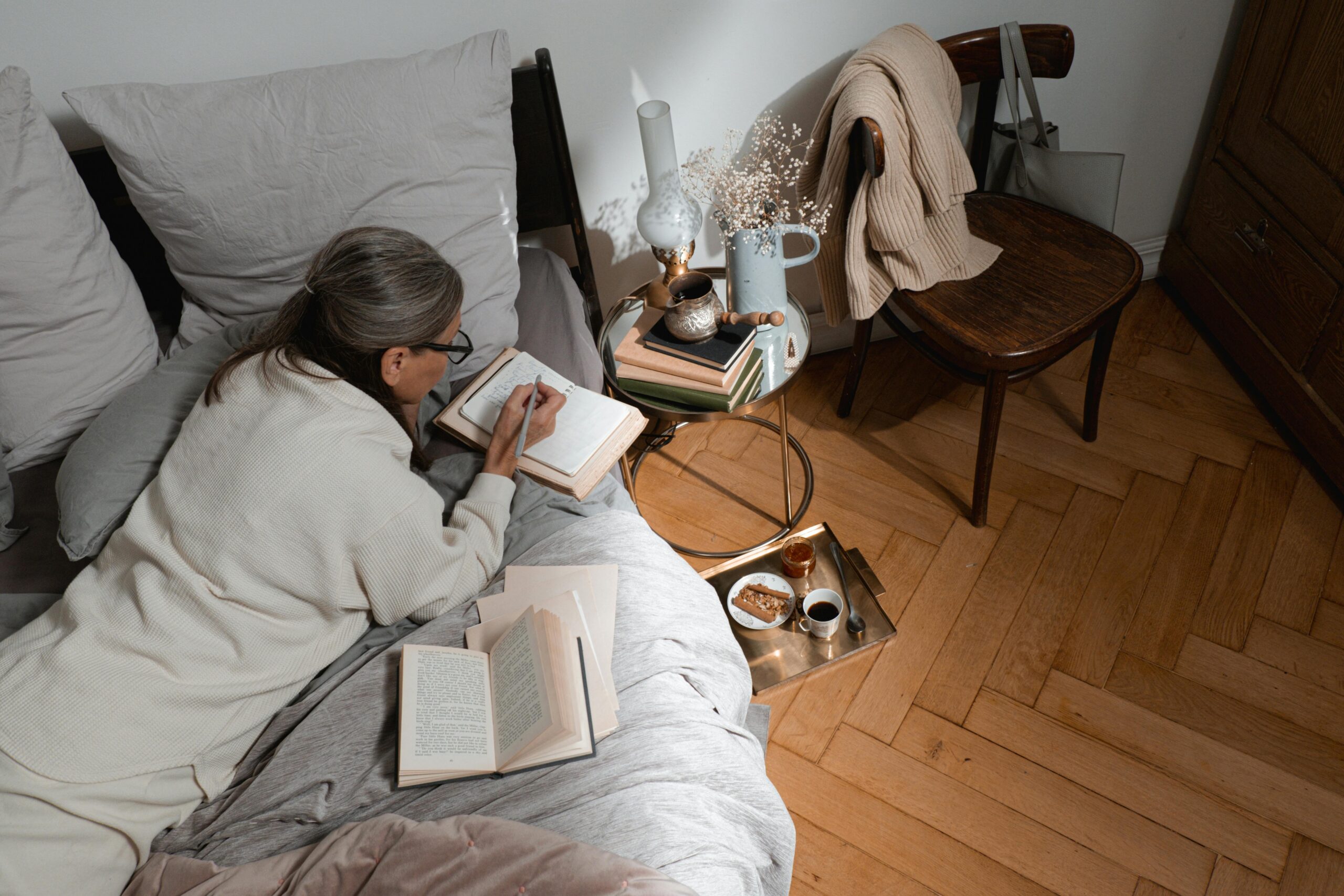
Morning journaling helps externalize thoughts and concerns, preventing them from cycling anxiously through your mind. On sensitive days, structure your journaling to support calm rather than amplify worries.
Try these low-stimulation journaling approaches:
- Gratitude lists: Three things you appreciate, however small
- Intention setting: One word or phrase describing how you want to feel today
- Brain dump: Free-write concerns to clear mental space, then close the journal
- Affirmations: Gentle, realistic statements that support self-compassion
Keep journaling brief—five to ten minutes maximum. The goal is clarity and release, not deep psychological excavation during your vulnerable morning state.
Creative Expression Without Pressure
Gentle creative activities engage your mind pleasantly without demanding performance. Coloring, doodling, listening to calming music, or looking at inspiring images can soothe your nervous system while providing gentle stimulation.
The key is removing achievement orientation. You’re not creating to produce something impressive; you’re engaging in process-oriented activity that supports regulation.
⏰ Timing and Transition Strategies
How you structure and transition through your morning significantly impacts its effectiveness. Thoughtful timing prevents the low-stimulation routine from becoming another source of stress.
Build Realistic Timeframes
A low-stimulation morning routine requires time. Rushing defeats the entire purpose. Realistically assess how much time your routine needs, then wake early enough to accommodate it without pressure.
If mornings are genuinely constrained, start with a minimal version—perhaps just ten minutes of breath work, hydration, and intention setting. A brief, consistent practice outperforms an elaborate routine you abandon because it feels overwhelming.
Create Smooth Transitions
The shift from your calm morning into daily demands requires careful navigation. Abrupt transitions can undo your nervous system preparation.
Build buffer zones between your routine and obligations. Before checking work emails or engaging with family demands, take three deep breaths and remind yourself of your morning intention. This micro-pause helps you carry calm forward rather than fragmenting immediately.
When possible, sequence your morning so low-stimulation activities directly precede necessary but potentially activating tasks. For example, meditate right before checking messages, so you approach digital communication from a grounded state.
🛡️ Protecting Your Morning Boundaries
A low-stimulation routine only works if you protect it. This requires setting boundaries—with others and with yourself.
Communicate Your Needs
If you live with others, explain your morning approach. Most people respect clearly communicated boundaries, especially when you frame them positively: “I’m trying a new morning routine that helps me feel calmer. I’ll need quiet time until [specific time]. Can we connect then?”
This isn’t selfish; it’s self-care that ultimately benefits your relationships by making you more present and regulated when you do engage.
Address Internal Resistance
Your own productivity anxiety might be your biggest boundary challenge. The voice saying “You should be doing something productive” or “This is indulgent” undermines your routine.
Reframe this resistance: your low-stimulation morning isn’t unproductive—it’s foundational productivity. A regulated nervous system performs better, makes clearer decisions, and sustains energy more effectively than a dysregulated one powered by coffee and adrenaline.
🔄 Adapting Your Routine for Real Life
Life isn’t perfectly controlled. Some mornings will deviate from your ideal routine. The key is flexibility within structure—maintaining core principles even when specifics change.
Create a Tiered Approach
Develop three versions of your routine: ideal (45-60 minutes), moderate (20-30 minutes), and minimal (5-10 minutes). This flexibility prevents all-or-nothing thinking that leads to abandoning the practice entirely when time is tight.
Your minimal version might include just breath work, water, and setting an intention. Even this brief practice maintains the pattern and supports regulation.
Adjust for Different Sensitivity Levels
Not every day requires the same level of low stimulation. Learn to assess your sensitivity level upon waking and adjust accordingly. On moderate days, you might include more activities or slightly more stimulation. On highest-sensitivity days, simplify everything further.
This responsive approach honors your actual needs rather than rigidly following a script regardless of context.
📊 Tracking What Works for You
Everyone’s nervous system is unique. What soothes one person might not affect another similarly. Gentle experimentation and tracking help you refine your personal low-stimulation formula.
| Element | Try This | Notice |
|---|---|---|
| Wake time | Vary by 15-minute increments | Energy levels, mood at midday |
| First activity | Alternate breath work, stretching, journaling | Which creates most sustainable calm |
| Caffeine timing | Immediate, delayed 30/60/90 minutes, or none | Anxiety levels, focus quality |
| Movement type | Gentle yoga, walking, stretching | Physical comfort, mental clarity |
| Environment | Different lighting, sound, temperature | Ease of nervous system settling |
Keep simple notes on what combinations leave you feeling most grounded and focused. Over time, patterns emerge that guide your routine refinement.
🌱 The Long-Term Benefits of Morning Calm
Committing to low-stimulation mornings on high-sensitivity days creates benefits that extend far beyond the morning hours. Over weeks and months, you’ll likely notice improved emotional regulation, better stress resilience, enhanced focus, and deeper self-awareness.
Your nervous system learns that mornings are safe, predictable, and nourishing. This conditioning effect means even on days when the routine is compressed, your system responds more quickly to calming cues because the pattern is established.
Additionally, the self-compassion inherent in honoring your sensitivity needs transforms your relationship with yourself. You move from fighting your sensitivity to working skillfully with it, which reduces internal conflict and shame many sensitive people carry.
🌟 Your Morning, Your Way
A low-stimulation morning routine isn’t about perfection or rigid adherence to someone else’s formula. It’s about creating a personal practice that honors your nervous system’s needs and sets you up for a focused, grounded day.
Start small—choose one or two elements that resonate most strongly and implement them consistently for a week. Notice the effects. Gradually add or adjust based on what your body and mind tell you.
Remember that choosing calm over chaos, especially during high-sensitivity days, isn’t weakness or avoidance. It’s intelligent self-management that allows you to bring your best, most regulated self to everything that follows.
Your mornings are yours to design. In a world that constantly demands more speed, more productivity, and more stimulation, creating space for gentleness is a radical act of self-care. Embrace the low-stimulation morning, and watch how it transforms not just your days, but your entire relationship with yourself and your sensitivity. 🌅