
Life can feel overwhelming when emotions run wild and stress hides in unexpected places. Understanding how to identify and manage these hidden stressors is essential for achieving true emotional balance and living a fulfilling life.

Every day, we encounter countless triggers that impact our emotional well-being, often without realizing their cumulative effect. From workplace pressures to relationship dynamics, these invisible forces shape our mental state and determine our quality of life. The good news is that with the right tools and awareness, you can take control of your emotional landscape and build resilience against life’s inevitable challenges.
🧠 Understanding the Hidden Nature of Modern Stress
Stress doesn’t always announce itself with obvious symptoms. While acute stress from major life events is easy to recognize, chronic low-level stressors often fly under the radar, gradually eroding your emotional well-being. These hidden stressors accumulate silently, manifesting as unexplained fatigue, irritability, or a general sense of being overwhelmed.
The modern lifestyle presents unique challenges that previous generations never faced. Constant digital connectivity, information overload, and the pressure to maintain a curated online presence create a persistent background hum of anxiety. Your nervous system wasn’t designed to handle the relentless stimulation of notifications, emails, and social media updates that characterize contemporary life.
Research shows that our brains process approximately 34 gigabytes of information daily, a dramatic increase from just a decade ago. This cognitive load taxes our mental resources, leaving less capacity for emotional regulation and self-awareness. Understanding this context is crucial for developing effective strategies to master your emotions.
🔍 The Comprehensive Checklist: Identifying Your Hidden Stressors
Environmental Factors That Drain Your Energy
Your physical environment profoundly influences your emotional state, often in ways you don’t consciously recognize. Poor lighting, clutter, noise pollution, and inadequate air quality all contribute to baseline stress levels. Begin by conducting an honest assessment of your primary living and working spaces.
Consider these environmental elements:
- Natural light exposure throughout your day
- Organization and cleanliness of your immediate surroundings
- Background noise levels and sources of auditory distraction
- Air quality, temperature, and overall comfort
- Color schemes and their psychological impact
- Personal space boundaries in shared environments
Small adjustments to your environment can yield significant improvements in emotional regulation. Adding plants, optimizing lighting, or creating dedicated zones for different activities can reduce stress without requiring major lifestyle changes.
Digital and Technological Stress Amplifiers
Technology serves as both tool and tormentor in modern life. While digital devices provide unprecedented connectivity and convenience, they also introduce subtle stressors that compound over time. The expectation of constant availability, the comparison trap of social media, and the fragmentation of attention all take their toll.
Identify your digital stress points by examining your technology habits honestly. How many times do you check your phone without a specific purpose? Do you feel anxious when separated from your device? Does scrolling through social media leave you feeling energized or depleted?
Creating healthy boundaries with technology requires intentionality. Implement specific times for checking emails, establish phone-free zones in your home, and regularly audit which apps and services genuinely add value to your life versus those that simply consume your attention and emotional energy.
Relationship Dynamics and Social Obligations
Human connections form the foundation of emotional well-being, yet they can also be significant sources of hidden stress. Toxic relationships, unspoken expectations, and the pressure to maintain social connections that no longer serve you all contribute to emotional exhaustion.
Evaluate your relationships through the lens of energy exchange. After spending time with specific individuals, do you feel uplifted or drained? Are there relationships you maintain out of obligation rather than genuine connection? Have you clearly communicated your boundaries and needs?
The quality of relationships matters far more than quantity. Investing in a few deep, authentic connections provides more emotional nourishment than maintaining numerous superficial relationships. Give yourself permission to let go of connections that consistently deplete your emotional reserves.
Internal Dialogue and Thought Patterns
Perhaps the most insidious hidden stressors are the ones you generate internally through negative self-talk and limiting beliefs. Your inner monologue shapes your emotional reality, yet most people never consciously examine the stories they tell themselves.
Common patterns of destructive internal dialogue include catastrophizing, all-or-nothing thinking, overgeneralization, and personalization. These cognitive distortions amplify stress by creating emotional responses disproportionate to actual circumstances. Becoming aware of these patterns is the first step toward changing them.
Start documenting your automatic thoughts, especially during moments of heightened emotion. What narratives emerge repeatedly? Are these thoughts based on objective reality or distorted perceptions? Challenge your assumptions and practice cognitive reframing to develop more balanced perspectives.
💪 Practical Strategies to Overcome Hidden Stressors
Building Your Emotional Awareness Foundation
Mastering your emotions begins with developing robust self-awareness. This means learning to recognize emotional states as they arise, understanding their triggers, and responding thoughtfully rather than reacting impulsively. Emotional awareness is a skill that improves with consistent practice.
Meditation and mindfulness practices provide powerful tools for enhancing emotional awareness. Even brief daily sessions help create space between stimulus and response, allowing you to observe your emotions without being overwhelmed by them. Start with just five minutes daily and gradually increase as the practice becomes more natural.
Journaling offers another effective method for developing emotional intelligence. Regular writing helps identify patterns, process complex feelings, and gain perspective on challenges. Don’t worry about perfect prose; the goal is honest exploration of your inner landscape.
Creating Sustainable Stress Management Routines
Consistency matters more than intensity when building stress management habits. Small, sustainable practices integrated into your daily routine provide far more benefit than occasional intensive interventions. The key is designing systems that work with your lifestyle rather than against it.
Physical movement serves as one of the most reliable stress reduction tools available. Exercise doesn’t require gym memberships or expensive equipment; a daily walk, stretching routine, or dancing to favorite music all provide significant emotional benefits. The important factor is regular movement that you genuinely enjoy.
Sleep quality fundamentally impacts emotional regulation capacity. Prioritize consistent sleep schedules, create a calming bedtime routine, and optimize your sleep environment. Most adults require seven to nine hours of quality sleep to maintain emotional balance and cognitive function.
Establishing Boundaries and Saying No
Boundary-setting represents one of the most challenging yet essential skills for emotional mastery. Many hidden stressors arise from overcommitment, people-pleasing tendencies, and the inability to decline requests that compromise your well-being. Learning to say no is an act of self-respect, not selfishness.
Start by identifying your non-negotiable priorities across different life domains. What matters most to you regarding health, relationships, career, and personal growth? Use these priorities as a filter for evaluating new commitments and obligations.
Practice declining requests gracefully but firmly. You don’t need to provide lengthy justifications or apologize excessively for protecting your time and energy. A simple “I appreciate you thinking of me, but I’m not able to commit to that right now” suffices in most situations.
🎯 Advanced Techniques for Emotional Regulation
The Power of Physiological Interventions
Your emotional state and physical body exist in constant communication. When psychological approaches feel insufficient, physiological interventions can provide immediate relief and create space for more sustained emotional work.
Breath work offers one of the fastest ways to shift your emotional state. Specific breathing patterns activate your parasympathetic nervous system, triggering relaxation responses that counteract stress. Box breathing, alternate nostril breathing, and extended exhale techniques all provide accessible tools for emotional regulation.
Cold exposure, whether through cold showers or ice baths, has gained recognition for its mental health benefits. Brief exposure to cold water activates stress response systems in controlled doses, building resilience and providing immediate clarity and energy. Start gradually and always prioritize safety.
Reframing Stress as Information
Rather than viewing stress as purely negative, consider it as valuable feedback about misalignment between your current circumstances and your needs or values. This reframe transforms stress from enemy to messenger, offering insights about necessary changes.
When stress arises, pause and ask: What is this feeling telling me? What need isn’t being met? What boundary has been crossed? This curious approach to emotional discomfort reduces the secondary stress that comes from judging yourself for feeling stressed in the first place.
Not all stress is problematic; eustress, or positive stress, accompanies growth, learning, and achievement. Distinguishing between productive challenge and destructive overwhelm helps you channel stress constructively rather than avoiding it entirely.
🌟 Building Long-Term Emotional Resilience
Developing Your Support Network
Emotional mastery doesn’t mean handling everything alone. Strong social support networks buffer against stress and provide perspective during challenging times. Cultivate relationships with people who understand your journey and offer genuine support without judgment.
Consider professional support when needed. Therapy or coaching provides structured space to develop emotional skills, process difficult experiences, and gain expert guidance. Mental health support is a sign of strength and self-awareness, not weakness.
Community connections beyond close relationships also contribute to emotional well-being. Participating in groups centered around shared interests or values creates a sense of belonging and purpose that supports overall life satisfaction.
Continuous Learning and Adaptation
Emotional mastery is a lifelong journey rather than a destination. As life circumstances change, new stressors emerge and require different strategies. Maintain curiosity about your emotional landscape and willingness to adapt your approaches as needed.
Regular self-assessment helps you stay attuned to shifting needs and priorities. Schedule periodic reviews of your stress management practices, evaluating what’s working and what needs adjustment. This proactive approach prevents small issues from becoming major crises.
Stay informed about emerging research and techniques in emotional well-being. The field of mental health continues evolving, offering new tools and insights that can enhance your emotional mastery practice. Attend workshops, read books, or explore evidence-based apps designed to support emotional health.
🚀 Creating Your Personalized Action Plan
Knowledge without application remains theoretical. Transform these insights into tangible improvements by creating a personalized action plan tailored to your unique circumstances, challenges, and goals.
Begin by selecting three specific hidden stressors you’ve identified through this checklist. Focus on the ones creating the most significant impact on your daily well-being. Trying to address everything simultaneously leads to overwhelm and abandonment of the entire effort.
For each selected stressor, identify one concrete action you can implement this week. Make these actions specific, measurable, and realistic given your current schedule and resources. Small wins build momentum and confidence for tackling more significant challenges.
Schedule a one-month review to assess progress and adjust your approach. Emotional work rarely follows linear trajectories; expect setbacks and use them as learning opportunities rather than evidence of failure. Persistence and self-compassion matter more than perfection.
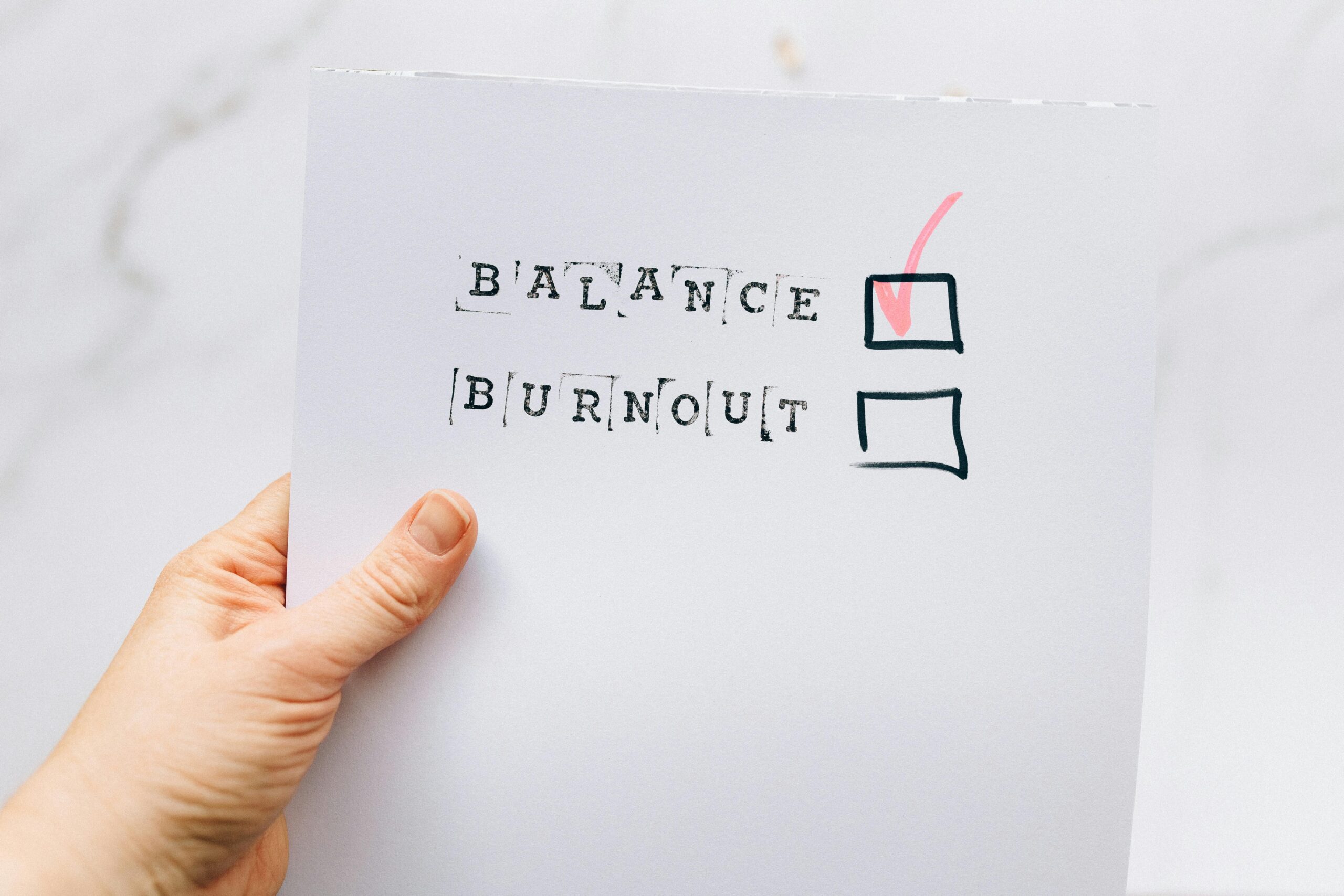
🌈 Embracing Your Emotional Journey
Mastering your emotions and overcoming hidden stressors represents one of the most valuable investments you can make in your overall quality of life. The skills you develop through this process extend far beyond stress reduction, enhancing relationships, career performance, and personal fulfillment.
Remember that emotional balance doesn’t mean constant happiness or the absence of difficult feelings. True mastery involves experiencing the full spectrum of human emotion while maintaining the capacity to respond thoughtfully rather than react impulsively. You’re developing resilience, not emotional numbness.
The journey toward emotional mastery requires patience, practice, and persistence. There will be challenging days when old patterns resurface or new stressors emerge. View these moments as opportunities to apply your growing skills rather than indicators of failure. Each conscious response strengthens your emotional regulation capacity.
Your commitment to understanding and managing your emotional landscape creates ripple effects beyond your individual experience. As you develop greater emotional balance, you naturally contribute to healthier relationships, more positive work environments, and more compassionate communities. Personal transformation inherently contains social dimensions.
Take the first step today by implementing just one strategy from this comprehensive checklist. Whether you start by assessing your environment, setting a boundary, or establishing a simple mindfulness practice, that initial action begins a transformative process toward lasting emotional well-being and a genuinely balanced life.