
Living with allergies and sinus issues can feel like navigating a minefield. Every season brings new challenges, and understanding the intricate connection between your triggers and symptoms is the first step toward reclaiming your health and comfort.

The relationship between allergies and sinus health is more complex than many people realize. Your sinuses aren’t just empty cavities in your skull—they’re dynamic, living spaces that respond to everything you breathe, eat, and encounter. When allergens enter the picture, they can transform these passages into inflamed, congested battlegrounds that affect your entire quality of life.
🔬 The Science Behind Allergies and Sinus Inflammation
Your immune system is designed to protect you from harmful invaders like bacteria and viruses. However, when you have allergies, your immune system mistakes harmless substances—like pollen, pet dander, or dust mites—for dangerous threats. This misidentification triggers a cascade of defensive responses that manifest as the uncomfortable symptoms you experience daily.
When an allergen enters your nasal passages, your body releases histamines and other chemical mediators. These substances cause blood vessels to dilate and mucous membranes to swell, leading to the classic symptoms of nasal congestion, runny nose, sneezing, and itchy eyes. Your sinuses, which are connected to your nasal passages through small openings, quickly become involved in this inflammatory process.
The sinuses produce mucus that normally drains through these tiny openings into your nose. However, when allergic inflammation occurs, the swelling can block these drainage pathways. Trapped mucus becomes a breeding ground for bacteria and other pathogens, potentially leading to acute or chronic sinusitis—a condition that affects millions of people worldwide.
Identifying Your Personal Allergy Triggers 🎯
Understanding what specifically triggers your allergic responses is crucial for effective management. Triggers vary significantly from person to person, and what causes severe reactions in one individual might not affect another at all. The most common allergens fall into several categories that you should monitor carefully.
Environmental Allergens
Pollen from trees, grasses, and weeds represents one of the most prevalent trigger categories. These microscopic particles travel through the air seasonally, with different plants releasing pollen at different times of the year. Spring typically brings tree pollen, summer introduces grass pollen, and fall ushers in weed pollen—particularly ragweed, which affects millions of Americans.
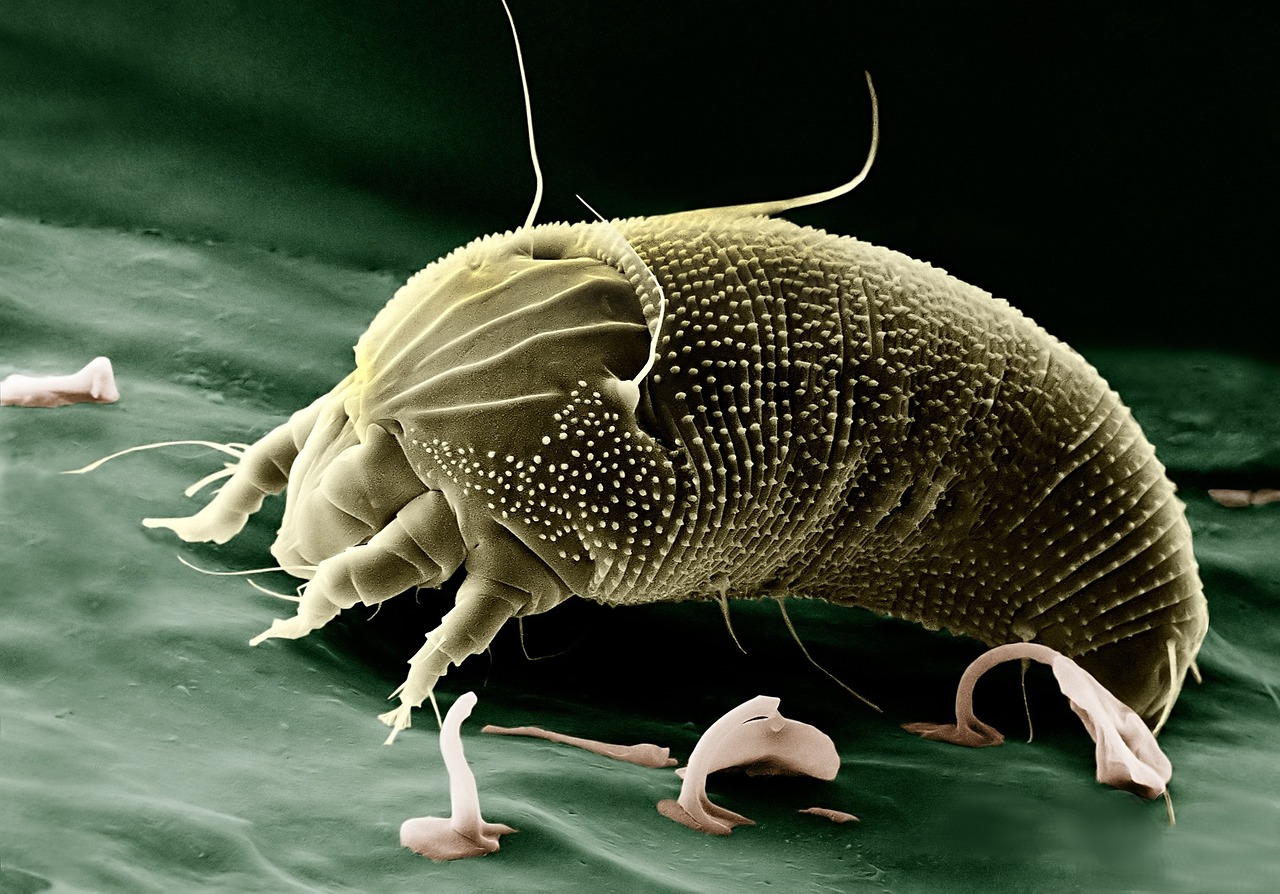
Dust mites are another significant environmental trigger that many people overlook. These microscopic creatures thrive in warm, humid environments and feed on dead skin cells. They’re particularly abundant in bedding, upholstered furniture, and carpets. Unlike seasonal allergens, dust mite exposure remains relatively constant throughout the year.
Mold spores can trigger allergic reactions both indoors and outdoors. Outdoor molds peak during warm, humid weather, while indoor molds can proliferate in damp areas like bathrooms, basements, and around leaky pipes year-round.
Indoor Allergens and Irritants
Pet dander from cats, dogs, and other furry animals causes allergic reactions in many people. Contrary to popular belief, it’s not the fur itself that’s problematic—it’s the proteins found in pet saliva, urine, and skin flakes. These proteins become airborne and can remain suspended in the environment for extended periods.
Cockroach droppings and body parts can trigger severe allergic reactions, particularly in urban environments. These allergens are often overlooked but can significantly impact indoor air quality and respiratory health.
Chemical irritants, while not true allergens, can exacerbate sinus problems and mimic allergic symptoms. These include cigarette smoke, strong perfumes, cleaning products, paint fumes, and air pollution. People with existing allergies often find themselves more sensitive to these irritants.
Recognizing the Symptoms: More Than Just a Stuffy Nose 🤧
The connection between allergies and sinus problems produces a wide range of symptoms that extend far beyond simple nasal congestion. Understanding the full spectrum of potential symptoms helps you identify patterns and seek appropriate treatment.
Primary nasal symptoms include congestion, runny nose, sneezing, and postnasal drip. However, the effects often radiate outward, causing facial pain or pressure, particularly around your cheeks, forehead, and eyes. This pressure results from inflamed, fluid-filled sinuses pressing against surrounding tissues.
Many people experience reduced sense of smell and taste when their sinuses are inflamed. These senses are intimately connected, and sinus congestion can significantly diminish your ability to enjoy food and detect odors—including potentially dangerous ones like smoke or gas leaks.
Headaches are common with sinus involvement, often feeling like pressure or a dull ache across your forehead or face. These differ from typical tension headaches and tend to worsen when you bend forward or lie down.
Fatigue and poor sleep quality frequently accompany chronic sinus issues. Difficulty breathing through your nose disrupts normal sleep patterns, leading to daytime drowsiness, reduced concentration, and decreased productivity. The constant immune system activation also drains your energy reserves.
The Seasonal Allergy Calendar: Timing Your Defense Strategy 📅
Allergic rhinitis follows predictable seasonal patterns that vary by geographic location. Understanding when your particular triggers peak allows you to implement preventive measures before symptoms become overwhelming.
Spring allergies typically begin in February or March in warmer climates and extend through May or June. Trees like oak, birch, cedar, and maple release massive quantities of pollen during this time. If you notice symptoms emerging as flowers bloom and trees bud, tree pollen likely represents a significant trigger for you.
Summer allergies, running from late May through July, predominantly involve grass pollens. Bermuda grass, timothy grass, and Kentucky bluegrass are common culprits. Mold spores also increase during humid summer months, adding another dimension to the allergic burden.
Fall allergies peak from August through November, with ragweed serving as the primary offender. A single ragweed plant can produce up to one billion pollen grains per season, and these grains can travel hundreds of miles on wind currents. Mold spores from decaying leaves also contribute to fall allergy symptoms.
Winter offers relief for many seasonal allergy sufferers, though indoor allergens often intensify. Spending more time inside increases exposure to dust mites, pet dander, and mold in poorly ventilated spaces. Additionally, dry indoor heating can irritate already sensitive nasal passages.
Diagnostic Approaches: Getting to the Root of Your Triggers 🔍
Accurately identifying your specific allergens requires more than educated guesses. Several diagnostic methods can pinpoint exactly what triggers your symptoms, enabling targeted management strategies.
Skin prick tests remain the gold standard for allergy identification. During this procedure, small amounts of suspected allergens are introduced into your skin through tiny pricks. If you’re allergic, a small raised bump (similar to a mosquito bite) appears within 15-20 minutes. This test can evaluate dozens of potential allergens in a single session.
Blood tests (specific IgE tests) measure the amount of allergy-causing antibodies in your bloodstream. While less sensitive than skin tests, blood tests offer advantages for people taking medications that interfere with skin testing, those with severe skin conditions, or individuals at risk for severe reactions.
Keeping a detailed symptom diary provides invaluable information about your trigger patterns. Record when symptoms occur, their severity, what you were doing, where you were, and what you ate. Over time, patterns emerge that help identify previously unsuspected triggers.
Creating Your Personal Trigger Management Plan 🛡️
Once you’ve identified your triggers, developing a comprehensive management strategy becomes possible. Effective allergy control combines avoidance measures, environmental modifications, and appropriate treatments.
Environmental Control Strategies
Reducing allergen exposure in your home environment provides the foundation for symptom control. For dust mite reduction, encase mattresses and pillows in allergen-proof covers, wash bedding weekly in hot water (at least 130°F), and reduce humidity levels below 50% using dehumidifiers.
Air purification systems with HEPA filters can significantly reduce airborne allergens. Place these devices in bedrooms and other frequently used spaces for maximum benefit. Remember to change filters according to manufacturer recommendations to maintain effectiveness.
If you’re allergic to pet dander but can’t part with your beloved companion, implement strategies to minimize exposure. Keep pets out of bedrooms, bathe them weekly, use HEPA air purifiers, and vacuum frequently with a vacuum equipped with a HEPA filter.
During high pollen days, keep windows closed and use air conditioning to filter incoming air. Shower and change clothes after spending time outdoors to remove pollen from your body and hair. Consider checking daily pollen counts through weather apps or allergy-specific applications to plan outdoor activities strategically.
Medical Treatment Options
Various medications can help control allergy and sinus symptoms when environmental control proves insufficient. Antihistamines block the effects of histamine, reducing sneezing, itching, and runny nose. Modern second-generation antihistamines cause less drowsiness than older formulations.
Nasal corticosteroid sprays represent the most effective medication for controlling allergic rhinitis and preventing sinus complications. These prescription or over-the-counter sprays reduce inflammation directly in the nasal passages with minimal systemic side effects when used correctly.
Decongestants provide temporary relief from nasal congestion but shouldn’t be used for extended periods. Oral decongestants can cause side effects like elevated blood pressure and insomnia, while nasal decongestant sprays can lead to rebound congestion if used for more than three consecutive days.
Leukotriene modifiers block inflammatory chemicals involved in allergic responses. These prescription medications can help people who don’t respond well to antihistamines or nasal sprays.
Immunotherapy (allergy shots or sublingual tablets) offers the only treatment that can modify the underlying allergic response. By gradually exposing your immune system to increasing amounts of allergen, immunotherapy can reduce or eliminate allergic reactions over time. This approach requires commitment—treatment typically continues for three to five years—but can provide lasting relief even after discontinuation.
Natural and Complementary Approaches for Sinus Health 🌿
Many people seek natural methods to complement conventional treatments or reduce medication dependence. While evidence varies, several approaches show promise for managing allergies and supporting sinus health.
Nasal irrigation with saline solution flushes allergens, mucus, and irritants from nasal passages. Using a neti pot, squeeze bottle, or nasal irrigation device with sterile or previously boiled water can significantly improve nasal congestion and reduce the need for medications. Always use distilled, sterile, or previously boiled water to avoid rare but serious infections.
Local honey consumption has garnered attention as a potential natural remedy. The theory suggests that consuming small amounts of local pollen through honey might desensitize your immune system. While scientific evidence remains limited, many people report subjective improvement.
Quercetin, a plant flavonoid found in foods like apples, onions, and berries, may stabilize mast cells and reduce histamine release. Some studies suggest quercetin supplements might help control allergy symptoms, though more research is needed.
Probiotics may influence immune system function and potentially reduce allergic responses. Emerging research suggests that maintaining healthy gut bacteria might impact the development and severity of allergies, though optimal strains and dosages remain under investigation.
Steam inhalation can provide temporary relief from sinus congestion by moistening dry nasal passages and loosening mucus. Adding eucalyptus or peppermint oil may enhance the decongestant effect for some individuals.
The Food-Allergy Connection: Understanding Cross-Reactivity 🍎
Many people with environmental allergies experience oral allergy syndrome—uncomfortable reactions when eating certain raw fruits, vegetables, or nuts. This occurs because proteins in these foods resemble pollen proteins, confusing your immune system.
If you’re allergic to birch pollen, you might react to apples, cherries, peaches, pears, or hazelnuts. Ragweed allergy can cross-react with bananas, melons, and cucumbers. Grass pollen allergies sometimes trigger reactions to tomatoes, oranges, and peanuts.
These reactions typically affect only the mouth and throat, causing itching or swelling that resolves quickly. Cooking usually denatures the problematic proteins, making cooked versions of these foods tolerable for most people. However, if you experience more severe symptoms, consult an allergist to rule out true food allergies.
Long-Term Health Implications: Why Management Matters 💪
Untreated allergies and chronic sinusitis aren’t merely annoying—they can significantly impact your long-term health and quality of life. Persistent inflammation taxes your immune system and can contribute to the development of additional health problems.
Chronic sinusitis can lead to nasal polyps—soft, painless growths that further obstruct airways and complicate breathing. These may require surgical removal if they become large or symptomatic.
People with poorly controlled allergies face increased risk of developing asthma. The “allergic march” describes how untreated allergic rhinitis can progress to lower airway inflammation, causing asthma symptoms like wheezing, chest tightness, and shortness of breath.
Sleep disruption from chronic nasal congestion increases risk for various health problems, including cardiovascular disease, obesity, diabetes, and mood disorders. Quality sleep is essential for immune function, cognitive performance, and overall well-being.
Recurring sinus infections may require repeated courses of antibiotics, potentially contributing to antibiotic resistance and disrupting your healthy microbiome. Preventing these infections through effective allergy management protects both your individual health and public health.
Building Your Allergy-Smart Lifestyle for Lasting Relief 🌟
Successfully managing allergies and sinus health requires integrating knowledge into daily habits that support respiratory wellness. This isn’t about perfection—it’s about making consistent, sustainable choices that minimize trigger exposure and optimize your body’s resilience.
Monitor pollen and air quality forecasts regularly and adjust your activities accordingly. On high-count days, exercise indoors, keep windows closed, and limit unnecessary outdoor exposure during peak pollen hours (typically mid-morning and early evening).
Invest in quality air filtration for your home. Replace HVAC filters regularly with high-efficiency options, and consider adding standalone HEPA air purifiers to bedrooms and main living areas. Clean these devices according to manufacturer specifications to maintain their effectiveness.
Establish allergen-reducing routines that become second nature. Remove shoes at the door, shower before bed to wash off daily allergen accumulation, and change pillowcases frequently. These simple habits significantly reduce allergen exposure during sleep—when you spend a third of your life.
Stay hydrated to keep mucous membranes moist and functioning optimally. Dry nasal passages become more susceptible to irritation and less effective at trapping and removing allergens. Aim for adequate water intake throughout the day.
Manage stress levels, as chronic stress can amplify inflammatory responses and worsen allergy symptoms. Incorporate stress-reduction techniques like meditation, yoga, regular exercise, or whatever activities help you maintain emotional balance.
Regular exercise supports immune function and may help reduce inflammation, though outdoor exercise during high pollen periods requires strategic planning. Consider early morning or late evening workouts when pollen counts are typically lower, or opt for indoor alternatives during peak allergy seasons.
Building awareness of your body’s signals allows you to respond proactively rather than reactively. When you notice early symptoms emerging, implementing your management strategies immediately often prevents full-blown allergy attacks.
Remember that allergy management is a marathon, not a sprint. What works may evolve over time as your sensitivities change, new triggers emerge, or life circumstances shift. Stay flexible, continue learning about your condition, and maintain open communication with healthcare providers who can adjust your treatment plan as needed.
Your journey toward clearer, healthier living begins with understanding the intricate connections between your triggers, immune responses, and sinus health. Armed with knowledge, practical strategies, and commitment to consistent implementation, you can significantly reduce allergy symptoms and reclaim the comfort and vitality that chronic inflammation has stolen. The power to master your triggers lies within your reach—embrace it, and transform your relationship with allergies from one of frustration to one of informed, confident management.