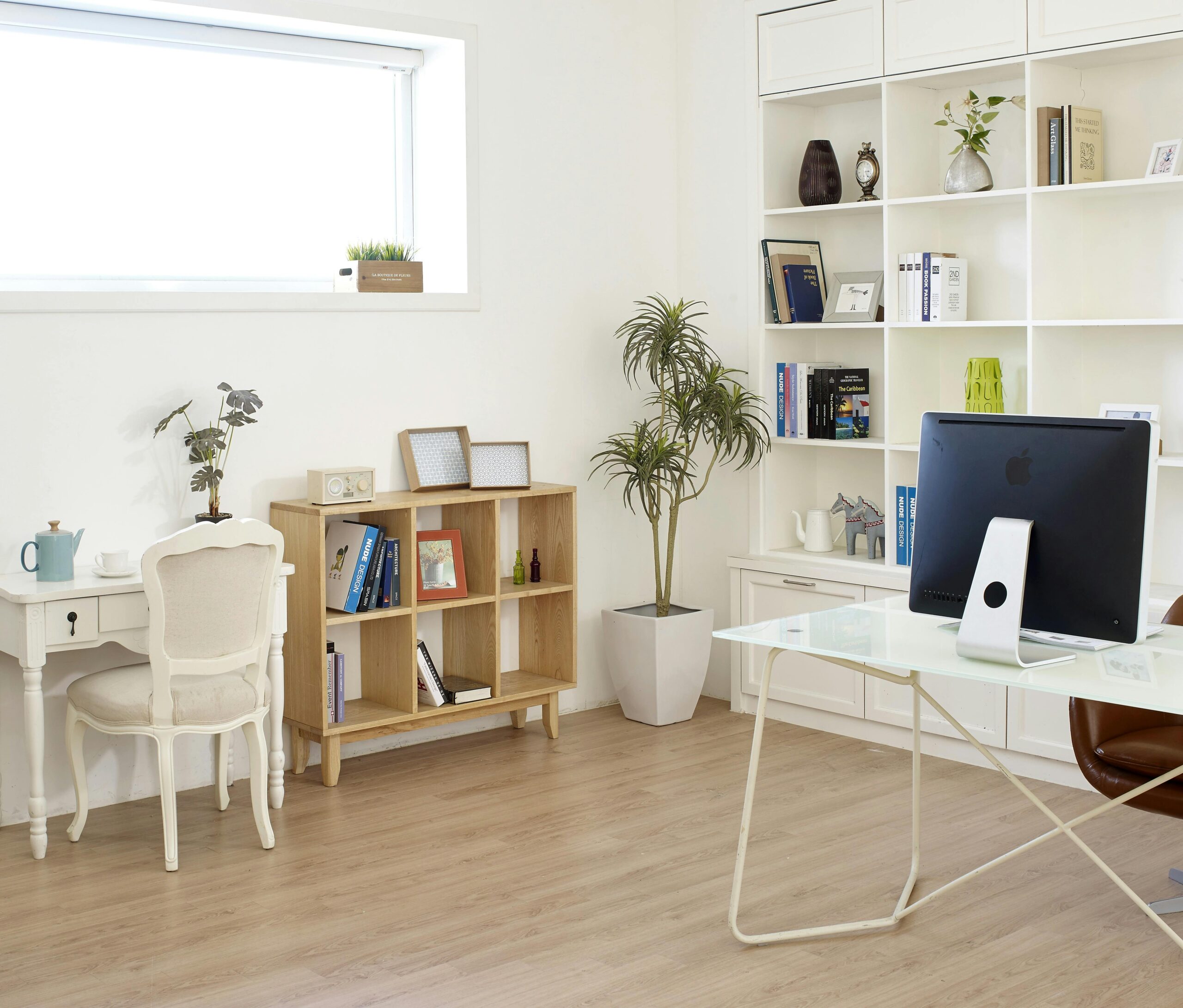
Light shapes our lives in ways we rarely pause to consider. From the moment we wake until we close our eyes at night, illumination influences our emotions, energy levels, and internal clocks in profound ways.

The ongoing debate between artificial and natural lighting has intensified as our indoor lifestyles become increasingly prevalent. Understanding how different light sources affect our wellbeing isn’t just academic curiosity—it’s essential knowledge for optimizing our daily performance and long-term health. Scientists have discovered that the quality, intensity, and timing of light exposure can make the difference between feeling energized or exhausted, focused or scattered, happy or irritable.
☀️ The Science Behind Light and Human Biology
Our relationship with light is deeply rooted in evolutionary biology. For millions of years, humans relied exclusively on natural light cycles to regulate their internal processes. This biological programming hasn’t disappeared simply because we invented the light bulb.
The human eye contains specialized photoreceptors called intrinsically photosensitive retinal ganglion cells (ipRGCs) that detect light and send signals directly to the brain’s master clock—the suprachiasmatic nucleus. These cells are particularly sensitive to blue wavelengths, which are abundant in natural daylight but also present in many artificial light sources.
When light enters our eyes, it triggers a cascade of physiological responses. During daylight hours, bright light suppresses melatonin production, increases cortisol levels, raises body temperature, and enhances alertness. As darkness falls, these processes reverse, preparing the body for rest and recovery.
Circadian Rhythms: Your Body’s Internal Symphony
Your circadian rhythm is a roughly 24-hour cycle that governs sleep-wake patterns, hormone release, body temperature, and numerous other biological functions. Light serves as the primary zeitgeber—a German term meaning “time giver”—that keeps this internal clock synchronized with the external environment.
Disruption of circadian rhythms has been linked to a startling array of health problems, including insomnia, depression, obesity, diabetes, cardiovascular disease, and even certain cancers. The quality and timing of light exposure play crucial roles in maintaining or disrupting these delicate rhythms.
🌞 Natural Light: The Gold Standard
Natural daylight possesses unique characteristics that artificial sources struggle to replicate. Sunlight provides a full spectrum of wavelengths, changes dynamically throughout the day, and delivers intensities that far exceed typical indoor lighting.
On a cloudy day, outdoor light levels reach approximately 10,000 lux, while bright sunlight can exceed 100,000 lux. Compare this to typical office lighting, which provides only 300-500 lux, and the difference becomes staggering.
Mood Enhancement Through Natural Illumination
Exposure to natural light has been consistently linked to improved mood and reduced symptoms of depression. Seasonal Affective Disorder (SAD) demonstrates this connection dramatically—many people experience depressive symptoms during winter months when daylight hours diminish and outdoor time decreases.
Research shows that workers in offices with windows and natural light report higher levels of job satisfaction, better sleep quality, and improved overall wellbeing compared to those in windowless environments. One landmark study found that hospital patients recovering in rooms with natural light required less pain medication and experienced shorter recovery times than those in rooms without windows.
Productivity Gains From Sunshine
Natural light doesn’t just make us feel better—it makes us work better. Studies across various industries have documented productivity improvements ranging from 5% to 15% when workers have access to natural daylight.
The mechanisms behind this boost include enhanced alertness, improved visual comfort (reducing eye strain and headaches), better mood regulation, and more stable energy levels throughout the day. Students in classrooms with ample natural light have demonstrated faster learning progression and higher test scores compared to peers in artificially-lit environments.
💡 Artificial Lighting: Necessity and Challenge
Despite the clear advantages of natural light, modern life demands artificial illumination. We work late, live in densely populated areas where daylight penetration is limited, and inhabit regions with extended dark seasons. The question isn’t whether to use artificial light, but how to use it wisely.
The Spectrum of Artificial Light Sources
Not all artificial lights are created equal. Different technologies produce vastly different spectral outputs and biological effects:
- Incandescent bulbs: Produce warm, yellow-toned light rich in red wavelengths but deficient in blue. While cozy for evening use, they’re energy-inefficient and provide inadequate daytime stimulation.
- Fluorescent lighting: Common in offices and schools, these lights often flicker subtly and produce harsh, unbalanced spectrums that can cause eye strain and headaches.
- LED technology: Highly energy-efficient and versatile, LEDs can produce various color temperatures. However, many emit high levels of blue light, which can disrupt circadian rhythms when used improperly.
- Smart bulbs: Programmable lights that can adjust color temperature and intensity throughout the day, attempting to mimic natural light patterns.
The Blue Light Controversy
Blue light has become a focal point of concern in discussions about artificial lighting and screen time. This short-wavelength light is particularly effective at suppressing melatonin production and signaling “daytime” to our biological systems.
During daylight hours, blue light exposure is beneficial—it enhances attention, reaction times, and mood. The problem arises when we expose ourselves to blue-rich artificial light during evening hours, essentially telling our brains that it’s still daytime when we should be winding down.
Research indicates that evening blue light exposure delays sleep onset, reduces sleep duration, and decreases sleep quality. One study found that two hours of tablet use before bed suppressed melatonin by approximately 22% and delayed its release by three hours.
⚖️ Finding Balance: Optimizing Your Light Environment
The battle between artificial and natural lighting isn’t about choosing one over the other—it’s about understanding how to leverage both appropriately throughout your day.
Morning Light Strategy
The first hours after waking are crucial for setting your circadian rhythm. Exposure to bright, blue-enriched light during this window helps suppress residual melatonin, increases cortisol for alertness, and anchors your internal clock.
Ideally, get outside within an hour of waking, even for just 10-15 minutes. If outdoor access isn’t feasible, position yourself near a window or use a bright light therapy lamp (10,000 lux) while having breakfast or coffee.
Daytime Illumination Tactics
Throughout your active hours, prioritize bright, cool-toned light. If you work indoors, try these approaches:
- Position your workspace near windows, ideally with a view of the sky
- Take outdoor breaks, especially during midday when light intensity peaks
- Use bright overhead lighting combined with task lights to maintain alertness
- Consider a light therapy lamp at your desk if natural light access is limited
For those working from home or managing their own lighting environments, smart lighting systems can automatically adjust color temperature and brightness to support circadian health. These systems typically provide energizing blue-enriched light during morning and afternoon hours.
Evening Wind-Down Protocols
As sunset approaches, your lighting strategy should shift dramatically. The goal is to gradually reduce light intensity and eliminate blue wavelengths, allowing melatonin production to increase naturally.
Practical evening lighting recommendations include:
- Dim overhead lights 2-3 hours before bedtime
- Switch to warm-toned bulbs (2700K or lower) in evening spaces
- Use table and floor lamps instead of overhead fixtures
- Enable blue light filters on electronic devices or use specialized glasses
- Consider amber or red-toned night lights for bathrooms and hallways
📊 Comparing Light Sources: A Practical Overview
| Light Source | Intensity (Typical) | Color Temperature | Best Use Time | Circadian Impact |
|---|---|---|---|---|
| Direct sunlight | 50,000-100,000 lux | 5,500-6,500K | Morning-afternoon | Strongly alerting |
| Cloudy daylight | 10,000-25,000 lux | 6,000-7,000K | All day | Moderately alerting |
| Office fluorescent | 300-500 lux | 3,500-5,000K | Work hours | Slightly alerting |
| LED (cool white) | 200-800 lux | 5,000-6,500K | Morning-afternoon | Alerting |
| LED (warm white) | 200-800 lux | 2,700-3,000K | Evening | Minimally disruptive |
| Incandescent | 200-500 lux | 2,400-2,700K | Evening | Low impact |
| Candlelight | 10-15 lux | 1,800-2,000K | Night | Very low impact |
🧠 Cognitive Performance and Light Quality
Beyond mood and sleep, lighting profoundly affects cognitive function. Studies measuring attention, memory, processing speed, and decision-making quality have revealed significant performance variations based on lighting conditions.
Bright, blue-enriched light enhances vigilance and reduces errors on attention-demanding tasks. One study of call center workers found that those exposed to dynamic lighting systems mimicking natural daylight patterns made 12% fewer errors than colleagues under standard fluorescent lighting.
The Color Temperature Factor
Color temperature, measured in Kelvin (K), describes whether light appears warm (yellowish) or cool (bluish). This characteristic affects both visual comfort and biological responses.
Cool temperatures (5,000-6,500K) promote alertness and focus, making them ideal for analytical work and learning environments. Warm temperatures (2,700-3,000K) create relaxing atmospheres suitable for creative thinking and social interaction.
Interestingly, research suggests that very bright warm light can also promote alertness through sheer intensity, even without the blue wavelengths. This finding has implications for evening lighting when alertness is needed without disrupting sleep later.
🏢 Workplace Applications and Design
Forward-thinking organizations are redesigning workspaces with lighting science in mind. The potential returns—improved employee health, reduced absenteeism, and enhanced productivity—justify the investment in sophisticated lighting systems.
Biophilic design principles emphasize connecting indoor workers with natural light through strategic architecture. Features include larger windows, skylights, glass-walled offices, and open floor plans that allow light penetration deeper into buildings.
When natural light isn’t sufficient, human-centric lighting systems adjust artificial illumination throughout the day. These systems typically deliver cool, bright light during morning and midday hours (supporting alertness and performance), then gradually shift toward warmer, dimmer light in late afternoon (supporting the natural transition toward evening).
🏠 Home Environment Optimization
Your home lighting significantly impacts your evening wind-down and sleep quality. Unfortunately, many homes are over-lit in the evening with blue-rich LEDs that work against natural sleep preparation.
Room-by-room lighting strategies can transform your home into a circadian-supportive environment:
- Kitchen and dining areas: Use brighter, neutral lighting during meal preparation, but consider dimmer switches for evening dining
- Living spaces: Install multiple light sources at various levels, allowing you to reduce overhead lighting in favor of softer accent lights as evening progresses
- Bedrooms: Eliminate bright overhead fixtures in favor of adjustable reading lights and warm-toned ambient lighting
- Bathrooms: Use bright light for morning routines but install dimmers or separate fixtures for evening use
🌙 Special Considerations for Shift Workers and Night Owls
Not everyone follows a traditional sleep-wake schedule. Shift workers, students, and naturally late-sleeping individuals face unique challenges in managing light exposure for optimal health.
For night shift workers, strategic light exposure can help shift circadian timing. Bright light during night work hours helps maintain alertness, while strict darkness during daytime sleep is essential. Specialized apps can help calculate optimal light exposure timing based on your specific schedule.
People with delayed sleep phase syndrome (natural night owls) can benefit from morning bright light therapy to gradually advance their internal clocks, combined with strict avoidance of evening light exposure.
🔬 Emerging Research and Future Directions
Scientists continue uncovering new aspects of how light affects human biology. Recent discoveries include light’s influence on immune function, metabolic regulation, and even gene expression patterns.
Innovative technologies are emerging to address the lighting challenges of modern life. Spectrally engineered LEDs can provide bright illumination without excessive blue wavelengths. Photobiomodulation research explores using specific light wavelengths therapeutically for everything from wound healing to cognitive enhancement.
Architectural lighting is evolving beyond simple illumination toward health-promoting environments. The WELL Building Standard and similar frameworks now include detailed lighting requirements designed to support human circadian biology and visual comfort.
✨ Taking Control of Your Light Environment
Understanding the battle between artificial and natural lighting empowers you to make informed choices about your daily light exposure. Small adjustments can yield significant improvements in how you feel and function.
Start with these evidence-based actions: maximize morning light exposure, maintain bright environments during active hours, and progressively dim your surroundings as evening approaches. Pay attention to how different lighting conditions affect your energy, mood, and sleep quality, then adjust accordingly.
The interplay between natural and artificial light needn’t be adversarial. When used thoughtfully, artificial lighting can supplement and extend the benefits of natural daylight, supporting your wellbeing around the clock. By respecting your biological need for appropriate light at appropriate times, you align modern life with ancient evolutionary programming—a winning combination for health, happiness, and productivity.
Remember that lighting is just one factor in a complex web of influences on your wellbeing. Combined with good sleep hygiene, regular physical activity, proper nutrition, and stress management, optimal lighting practices become part of a comprehensive approach to living your best life. The light you choose today shapes how you’ll feel tomorrow—choose wisely.