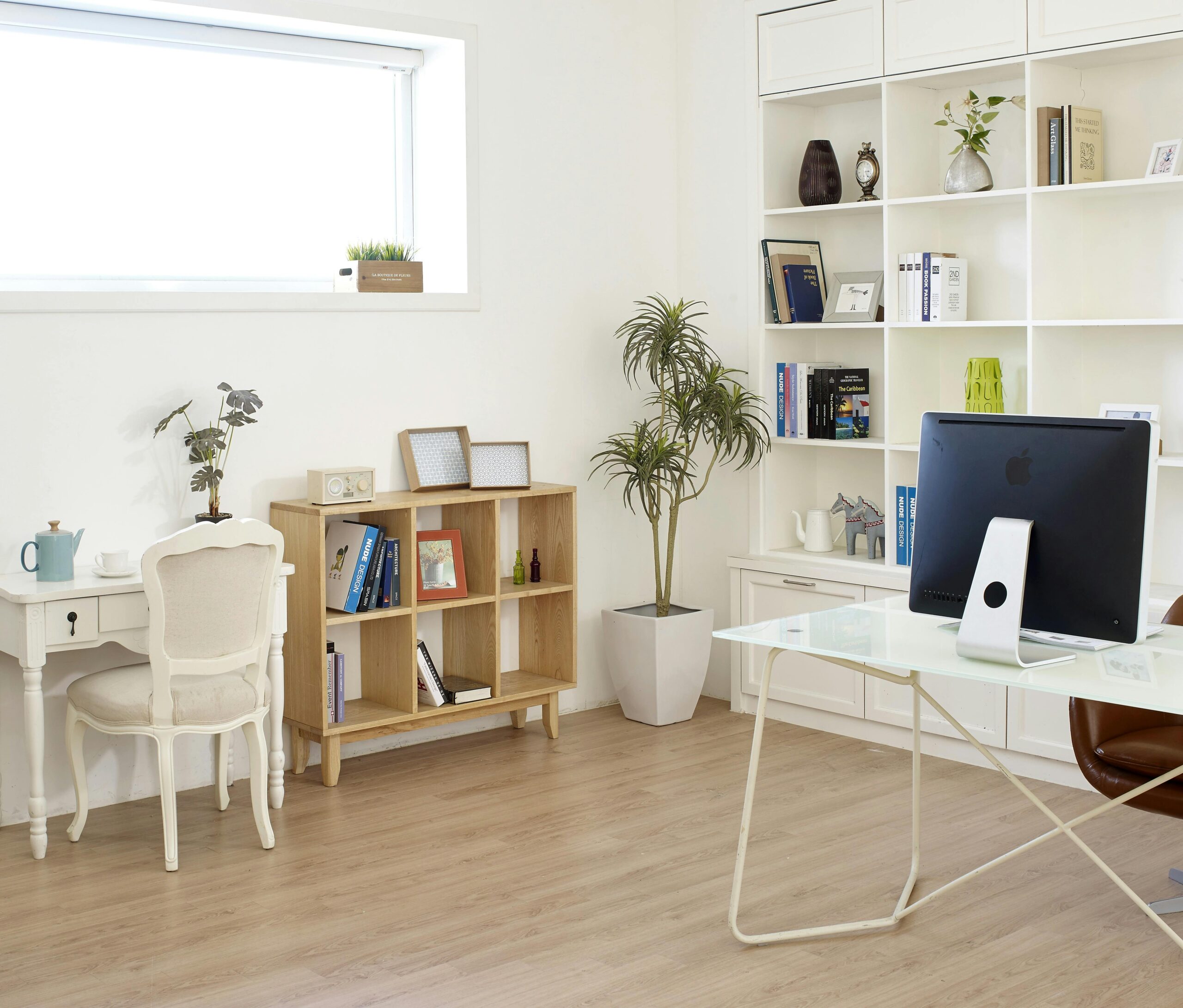
Creating a harmonious living environment goes beyond selecting beautiful furniture or painting walls in trendy colors. The interplay between window treatments and natural light fundamentally shapes how we experience our homes, affecting everything from mood to energy efficiency.

Whether you’re redesigning a single room or transforming your entire home, understanding how to balance blinds, curtains, and natural light can elevate your space from ordinary to extraordinary. This comprehensive guide will walk you through practical strategies, design principles, and expert tips to achieve that perfect equilibrium between style, functionality, and comfort.
🌟 Understanding the Foundation: Why Window Treatments Matter
Window treatments serve multiple purposes that extend far beyond aesthetics. They control privacy, regulate temperature, reduce energy costs, protect furniture from UV damage, and significantly influence the ambiance of your rooms. The right combination of blinds and curtains can make small spaces feel larger, dark rooms feel brighter, and sterile environments feel warm and inviting.
Natural light remains one of the most sought-after features in any home. It affects our circadian rhythms, enhances productivity, improves mood, and makes spaces feel more open and welcoming. However, too much unfiltered sunlight can cause glare, fade fabrics, and create uncomfortable heat. This is where strategic window treatment selection becomes essential.
The Science Behind Natural Light and Well-Being
Research consistently demonstrates that exposure to natural light improves sleep quality, reduces depression, and enhances vitamin D production. Homes that maximize daylight while maintaining control over light intensity create healthier living environments. Your window treatment choices directly impact how much beneficial natural light enters your space throughout the day.
Morning light should be welcomed into bedrooms and kitchens to help regulate wake cycles, while afternoon sun might need filtering in west-facing living rooms to prevent overheating. Evening light can be softened with layered treatments that maintain privacy without completely blocking the golden hour glow.
✨ Blinds vs. Curtains: Understanding Your Options
Blinds offer precise light control through adjustable slats or panels. Venetian blinds, vertical blinds, roller blinds, and Roman shades each provide different levels of light filtering and privacy. They’re ideal for modern, minimalist spaces and work exceptionally well in kitchens, bathrooms, and offices where functionality takes priority.
Curtains bring softness, texture, and warmth to spaces. They’re available in countless fabrics, patterns, and styles—from sheer panels that diffuse light beautifully to blackout curtains that eliminate it entirely. Curtains excel at adding color, creating visual height, and making rooms feel more finished and luxurious.
The Power of Layering Both Elements
The most versatile window treatment approach combines blinds and curtains. This layered system provides maximum flexibility: blinds offer precise daytime light control and privacy, while curtains add softness, insulation, and style. You can adjust each layer independently based on time of day, season, or activity.
This combination also solves the common dilemma of wanting natural light without sacrificing privacy. Keep blinds closed for privacy while leaving curtains open for style, or pull sheers closed for diffused light while keeping heavier curtains tied back.
🎨 Choosing Materials That Complement Your Design Vision
Material selection dramatically affects both appearance and performance. Natural fabrics like linen, cotton, and silk bring organic texture and breathability but may require more maintenance. Synthetic materials offer durability, easy cleaning, and often better light-blocking properties at lower price points.
For blinds, consider wood for warmth and natural beauty, aluminum for modern sleekness and moisture resistance, or faux wood for budget-friendly durability. Each material interacts differently with light—wood filters warmly, while metal reflects more coolly.
Fabric Weight and Light Filtration
Sheer fabrics allow maximum light penetration while providing daytime privacy through diffusion. Medium-weight fabrics balance light control with decorative appeal. Blackout fabrics block virtually all light, essential for bedrooms, home theaters, or shift workers’ sleeping spaces.
Consider the room’s purpose when selecting fabric weight. Living rooms typically benefit from light-filtering options that maintain brightness and views, while bedrooms often require room-darkening or blackout solutions for quality sleep.
Strategic Placement for Maximum Impact
Proper installation height transforms the perception of your space. Mount curtain rods at ceiling height rather than just above the window frame to create the illusion of taller ceilings and larger windows. This simple adjustment makes rooms feel more spacious and grand.
Extend curtain rods several inches beyond the window frame on each side. This allows curtains to stack fully off the glass when open, maximizing natural light and making windows appear wider. The general rule suggests extending 4-8 inches per side for standard windows, more for larger openings.
Length Matters More Than You Think
Curtains should either kiss the floor, break slightly on it, or puddle deliberately for dramatic effect. Floating curtains that hang several inches above the floor look unfinished and make ceilings appear lower. For practical spaces like kitchens, sill-length or apron-length curtains work better to avoid interference with counters or sinks.
💡 Color Psychology and Light Reflection
Light colors reflect natural light, making spaces feel brighter and more open. White, cream, pale gray, and soft pastels work beautifully in small or dark rooms where maximizing light is priority. These neutrals also provide timeless appeal that transcends changing design trends.
Dark colors absorb light, creating intimate, cozy atmospheres. Deep blues, rich grays, forest greens, and charcoal work wonderfully in large rooms with abundant natural light, adding sophistication without making the space feel cave-like. They also hide stains better in high-traffic areas.
Creating Cohesion Through Color
Window treatments should complement rather than match your walls exactly. Treatments in the same color family but different shades create sophisticated depth. Alternatively, use window treatments as accent pieces that tie together other colors in your room—pulling shades from throw pillows, artwork, or furniture.
Consider how colors appear in different lighting conditions. Test swatches in your actual space throughout the day, as morning light, afternoon sun, and evening artificial light dramatically change how colors read.
⚙️ Smart Technology for Modern Light Control
Motorized blinds and curtains offer unprecedented convenience and precision. Program them to open with sunrise for natural wake-up lighting, close during peak afternoon heat to reduce cooling costs, or adjust automatically based on temperature sensors. This technology maximizes both comfort and energy efficiency.
Smart window treatments integrate with home automation systems, voice assistants, and smartphone apps. Create scenes that adjust multiple windows simultaneously—”movie mode” closes everything, while “morning routine” opens bedroom curtains gradually. These systems particularly benefit large homes, high windows, or households with mobility challenges.
🏠 Room-by-Room Application Strategies
Living Rooms: Balancing Ambiance and Functionality
Living rooms benefit from layered treatments that adapt throughout the day. Sheer curtains or light-filtering blinds maintain daytime brightness and connection to outdoors, while heavier curtains add evening privacy and coziness. Choose durable, stain-resistant fabrics for high-traffic family spaces.
Consider the television position—glare control becomes essential for screen visibility. Adjustable blinds let you eliminate reflections without completely darkening the room. Side panels on decorative rods add style without interfering with light adjustment capabilities.
Bedrooms: Prioritizing Rest and Rejuvenation
Bedrooms require maximum light control for quality sleep. Layer blackout blinds or shades with decorative curtains for complete darkness when needed, with the option to welcome morning light. East-facing bedrooms particularly benefit from adjustable treatments that control intense sunrise.
Guest bedrooms should accommodate different sleep preferences. Provide layered options so guests can choose their preferred darkness level. Remember that even small light leaks around edges can disturb sensitive sleepers—proper installation and light-blocking hardware matter significantly.
Kitchens and Bathrooms: Practical Beauty
Moisture-resistant materials like faux wood blinds, aluminum, or synthetic fabrics work best in humid environments. These spaces benefit from easy-to-clean treatments that won’t harbor mold or mildew. Privacy matters more than light blocking, so focus on adjustable options that maintain brightness while preventing views inward.
Shorter lengths prevent interference with sinks, counters, and fixtures. Roman shades, café curtains, or simple blinds often work better than full-length panels. Consider safety in kitchens—avoid long cords near stoves and opt for cordless or motorized options.
Home Offices: Supporting Productivity
Computer screen glare presents unique challenges in home offices. Position desks perpendicular to windows when possible, and use adjustable blinds to eliminate direct sunlight on screens without completely darkening the space. Natural light boosts productivity and mood, so aim for controlled brightness rather than blockage.
Top-down bottom-up shades offer ideal solutions, allowing upper window light while maintaining lower privacy. This configuration provides ambient lighting without screen glare or neighborhood views into your workspace.
🌡️ Energy Efficiency Through Smart Window Dressing
Window treatments significantly impact heating and cooling costs. Cellular shades trap air in honeycomb pockets, creating insulation that reduces heat transfer. Thermal curtains with special linings block drafts in winter and reflect heat in summer, potentially reducing energy costs by 25% or more.
Light-colored treatments reflect summer heat away from your home, while dark colors absorb warmth in winter. Strategic seasonal adjustments—keeping treatments closed during peak heat or cold, then opening them to capture or release solar gain—optimize passive climate control.
Sustainability Considerations
Choose treatments made from sustainable materials like organic cotton, bamboo, or recycled fabrics. Natural fibers often last longer and have lower environmental impact than petroleum-based synthetics. Quality treatments that endure for years prove more sustainable than frequent replacements of cheap options.
Properly maintained window treatments last significantly longer. Regular vacuuming, spot cleaning, and professional cleaning when needed extend lifespan. Many quality blinds and curtains can serve your home beautifully for a decade or more with appropriate care.
🎭 Style Trends That Stand the Test of Time
While trends come and go, certain window treatment styles remain perpetually elegant. Floor-to-ceiling neutral curtains create timeless sophistication. Natural wood blinds bring organic warmth that transcends decades. Simple Roman shades in quality fabrics adapt to changing décor without requiring replacement.
Current trends favor organic textures, sustainable materials, and clean lines. Linen curtains, woven wood shades, and minimalist roller blinds dominate contemporary design. However, the most important trend is personalization—choosing what genuinely reflects your lifestyle and preferences rather than blindly following fashion.
Mixing Patterns and Textures
Bold patterned curtains can anchor a room’s design scheme, but balance is crucial. If curtains feature prominent patterns, keep blinds simple and neutral. Conversely, decorative blinds pair best with solid curtains. Texture adds interest without overwhelming—consider ribbed fabrics, subtle weaves, or dimensional materials.
The 60-30-10 design rule applies to window treatments: 60% dominant color, 30% secondary color, and 10% accent. This creates visual harmony while preventing overwhelming busy-ness that makes spaces feel chaotic rather than designed.
💰 Budget-Friendly Approaches to Professional Results
Quality window treatments represent significant investment, but strategic choices maximize value. Prioritize high-visibility areas like living rooms and primary bedrooms, using more budget-friendly options in secondary spaces. Mix expensive custom curtains in focal areas with ready-made blinds elsewhere for cohesive appearance at lower cost.
DIY installation saves substantially on labor costs. Most blinds and curtains install easily with basic tools and moderate skill. Numerous online tutorials guide you through measurement, mounting, and adjustment. Just ensure precise measurements—mistakes here create expensive do-overs.
When to Splurge and When to Save
Invest in quality for large windows, main living spaces, and treatments you’ll interact with frequently. Custom measurements ensure perfect fit and professional appearance. Save with ready-made options for standard-sized windows in low-visibility areas like closets, laundry rooms, or basements.
Quality fabric for curtains proves worth the investment—it drapes better, lasts longer, and elevates the entire room’s appearance. However, basic roller blinds work perfectly well in utilitarian spaces where function trumps form.
🔧 Maintenance Tips for Longevity and Beauty
Regular maintenance preserves appearance and function. Vacuum curtains monthly using the upholstery attachment to remove dust. Most blinds clean easily with damp microfiber cloths or specialized blind-cleaning tools. Address spots immediately before they set—many fabrics spot-clean successfully with mild detergent and water.
Professional cleaning every few years refreshes curtains without wear from home washing. Many dry cleaners offer curtain services with proper pressing and rehang. For washable curtains, follow care instructions precisely—heat damages many fabrics permanently.
Addressing Common Problems
Stuck or difficult blinds often need simple lubrication or cord replacement. Sagging curtain rods require center support brackets for longer spans. Faded fabrics unfortunately can’t be restored—prevention through UV-resistant treatments or protective linings proves more effective than attempted remediation.
Replace worn components before complete failure. New cords, valances, or tiebacks cost far less than entirely new treatments. Many blind manufacturers sell replacement parts for systems that remain structurally sound but need cosmetic refreshing.
🌈 Bringing It All Together: Your Personal Light Haven
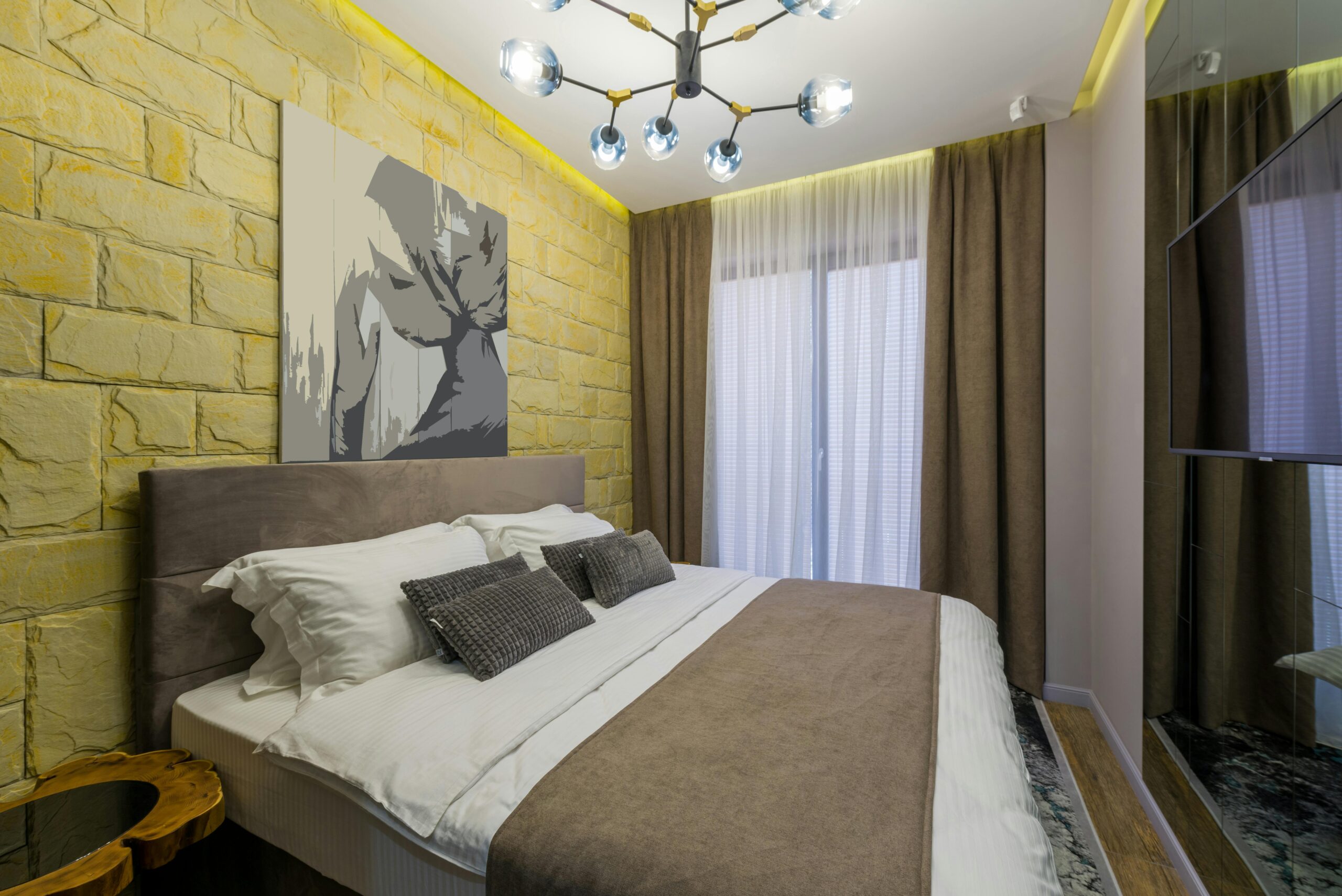
Transforming your space with the perfect balance of blinds, curtains, and natural light creates an environment that nurtures well-being while expressing personal style. Start with one room, experiment with different combinations, and notice how adjustments affect your daily experience. Trust your instincts about what feels right—you’re the one living in the space.
Remember that perfect balance looks different for everyone. Your ideal combination depends on your home’s orientation, local climate, personal light sensitivity, privacy needs, design preferences, and daily routines. Don’t be afraid to adjust seasonally or as your needs evolve. Window treatments should serve you, not constrain you.
The investment in thoughtful window treatments pays dividends daily through enhanced comfort, reduced energy costs, protected furnishings, and spaces that truly feel like home. Take time to plan, choose quality over quantity, and create layered systems that adapt to your changing needs. Your transformed space will reward you with beauty, functionality, and that intangible quality that makes a house feel like your personal sanctuary. The interplay of light, privacy, and style becomes not just a design choice, but a fundamental component of how you experience home—and that makes all the difference.