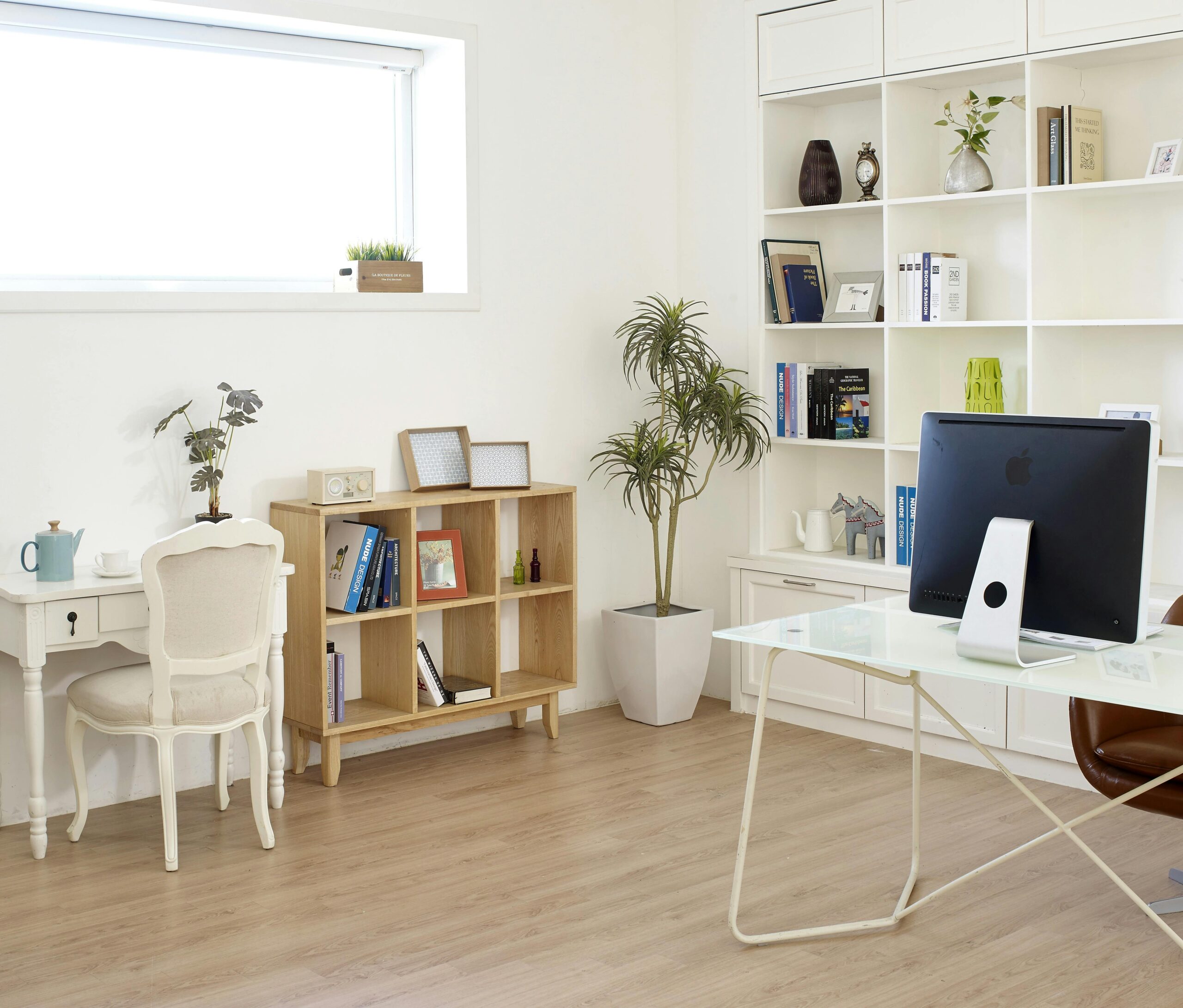
In our hyper-connected world, we’re constantly bombarded with information from every direction. Our brains process thousands of visual stimuli daily, and when left unchecked, this overflow creates chaos that drains our energy and focus.

Visual clutter isn’t just about messy desks or disorganized spaces. It extends to our digital environments, our homes, our workspaces, and even the notifications constantly vying for our attention. The cumulative effect of this sensory overload can lead to increased stress, decreased productivity, and mental exhaustion. Understanding how to manage and reduce visual clutter has become an essential skill for maintaining mental clarity and emotional well-being in the modern age.
🧠 Understanding Visual Clutter and Sensory Overload
Visual clutter refers to an excessive amount of objects, information, or stimuli within your field of vision that competes for your attention. When your environment contains too many elements, your brain works overtime trying to process everything simultaneously. This constant processing demand depletes cognitive resources that could be used for creative thinking, problem-solving, and meaningful work.
Sensory overload occurs when one or more of your senses experience over-stimulation from the environment. For vision specifically, this happens when too many patterns, colors, objects, or movements overwhelm your processing capacity. The result is often anxiety, irritability, difficulty concentrating, and a feeling of being mentally drained even when you haven’t done much physical work.
Research in neuroscience has shown that cluttered environments increase cortisol levels, the stress hormone. They also limit your brain’s ability to focus and process information efficiently. The Princeton Neuroscience Institute found that physical clutter in your surroundings competes for your attention, resulting in decreased performance and increased stress.
📱 The Digital Dimension of Visual Chaos
While physical clutter is visible and tangible, digital clutter has become equally problematic. Our smartphones, computers, and tablets present endless streams of notifications, icons, emails, and updates that fragment our attention throughout the day.
The average person checks their phone 96 times per day, or once every 10 minutes. Each notification, app icon, or unread message creates a small cognitive burden. Multiply this by dozens or hundreds of apps, and you have a significant source of visual chaos that follows you everywhere.
Taming Your Digital Spaces
Start by auditing your digital devices. Count how many apps you have installed on your phone and consider how many you actually use regularly. Most people use fewer than 20 apps consistently, yet have 60 to 80 installed. Each unused app represents visual noise and decision fatigue every time you unlock your device.
Organize your home screen with intentionality. Keep only essential apps visible on your main screen, and group similar apps into folders with clear, simple names. Consider using a minimalist launcher or organizing method that reduces visual complexity.
Disable non-essential notifications. Every ping and banner demands your attention, interrupting your flow and adding to sensory load. Go through your notification settings app by app, keeping only truly important alerts enabled.
🏠 Creating Calm Physical Environments
Your physical surroundings have a profound impact on your mental state. A cluttered room sends multiple signals to your brain simultaneously, preventing it from properly relaxing or focusing. Creating calm, organized spaces isn’t about minimalism for its own sake—it’s about designing environments that support your cognitive function and emotional well-being.
The Surface Strategy
Flat surfaces like countertops, desks, and tables naturally accumulate items. These horizontal spaces become dumping grounds for mail, keys, gadgets, and miscellaneous objects. Implement a simple rule: keep flat surfaces as clear as possible, with only items that serve an immediate purpose.
Designate specific homes for everything. When objects have defined places, they’re less likely to become visual clutter. Use drawer organizers, baskets, and containers to group similar items together. The act of opening a drawer or container creates a visual boundary that prevents clutter from overwhelming your field of vision.
Color and Pattern Management
Too many competing colors and patterns create visual noise. You don’t need to adopt a completely monochromatic palette, but consider a cohesive color scheme for each room. Limiting your color palette to three or four complementary tones creates visual harmony and reduces the processing burden on your brain.
Be particularly mindful of patterns. Multiple competing patterns—striped pillows with floral curtains near geometric rugs—force your brain to work harder. Select one or two statement patterns per space and keep other elements more neutral.
⚡ The Power of Empty Space
Empty space, often called negative space in design, is not wasted space. It serves a crucial function by giving your eyes and mind places to rest. Just as music needs silence between notes to create rhythm, visual environments need emptiness to create balance and calm.
Resist the urge to fill every corner, wall, or surface. A shelf doesn’t need to be completely packed with objects. A wall doesn’t require artwork in every section. Leaving intentional gaps creates breathing room for your attention and prevents sensory overwhelm.
In Japanese design philosophy, this concept is called “ma”—the conscious use of empty space. It recognizes that the space between objects is just as important as the objects themselves. Applying this principle to your environment can dramatically reduce visual clutter without requiring you to discard many possessions.
🖥️ Workspace Optimization for Focus
Your workspace, whether at home or in an office, deserves special attention since this is where you need maximum cognitive performance. A cluttered workspace directly correlates with reduced productivity, increased errors, and mental fatigue.
The One-Task Surface Method
Keep only items related to your current task on your desk. Everything else should be stored out of sight. This single strategy can transform your ability to focus. When your desk contains only your computer, the document you’re working with, and perhaps a beverage, your brain doesn’t need to filter out irrelevant visual information.
Implement a clean desk policy at the end of each work session. Spend three to five minutes clearing your workspace before leaving. This ritual creates a fresh start for your next work session and prevents the gradual accumulation of clutter.
Digital Desktop Decluttering
Your computer desktop is another common source of visual chaos. Some people have hundreds of files scattered across their screen, creating the digital equivalent of a cluttered room. Your computer desktop should function like your physical desk—a temporary workspace, not a storage solution.
Create a simple folder structure in your documents directory and file things appropriately. Use your desktop for active projects only, and regularly archive or delete completed work. Consider using a plain, calm wallpaper rather than busy images that add visual complexity.
👁️ Managing Visual Input Throughout Your Day
Reducing visual clutter isn’t just about organizing physical and digital spaces. It’s also about managing your visual diet—what you choose to look at and expose yourself to throughout your day.
Selective Consumption
Be intentional about visual media consumption. Social media platforms are designed to provide endless visual stimulation, with algorithms serving increasingly engaging content to keep you scrolling. This constant stream of images, videos, and information contributes significantly to sensory overload.
Set boundaries around screen time, particularly for visually intense platforms. Consider specific times for checking social media rather than constant throughout the day. Use browser extensions that simplify website layouts or remove distracting elements.
Creating Visual Breaks
Just as your body needs rest after physical exertion, your visual system needs breaks from stimulation. Build regular intervals into your day where you give your eyes something simple to focus on—a plain wall, the sky, or a simple natural scene.
The 20-20-20 rule, commonly recommended for eye health, also serves to reduce visual overload: every 20 minutes, look at something 20 feet away for 20 seconds. This not only relaxes your eye muscles but gives your brain a brief respite from processing complex visual information.
🌿 Nature as a Visual Reset
Natural environments provide visual complexity that our brains are evolutionarily adapted to process. Unlike the harsh angles, bright colors, and chaotic arrangements of modern spaces, natural settings offer patterns and variations that restore rather than deplete attention.
Studies on Attention Restoration Theory show that exposure to natural environments replenishes cognitive resources depleted by urban living and concentrated work. Even brief exposures to nature—looking at plants, viewing natural landscapes, or spending time outdoors—can significantly reduce mental fatigue.
Incorporate natural elements into your spaces. Houseplants, natural materials like wood and stone, and nature photography can provide some of these restorative benefits even in urban environments. Position your workspace near a window with a natural view if possible.
📊 Practical Decluttering Systems That Work
Understanding principles is valuable, but practical systems help you maintain clutter-free environments long-term. Here are proven approaches that work:
- The Container Method: Limit items by designating fixed containers for categories. When the container is full, something must go before adding new items.
- One In, One Out: For every new item you bring into a space, remove one similar item. This prevents accumulation over time.
- The 90/90 Rule: If you haven’t used something in 90 days and won’t use it in the next 90 days, consider removing it.
- Weekly Reset: Dedicate 15 minutes weekly to resetting each main living area to its baseline organized state.
- Visual Boundaries: Use trays, baskets, and designated zones to create clear boundaries that prevent visual sprawl.
🎯 Addressing Specific Problem Areas
Certain spaces in homes and offices become clutter magnets. Addressing these systematically prevents them from becoming sources of ongoing visual stress.
Entry Areas
Entryways accumulate shoes, bags, coats, mail, and keys. Install dedicated storage solutions: hooks for coats and bags, a shoe rack or cabinet, a small table with a bowl for keys, and a mail sorter. Everything that enters your home has a designated landing spot before it migrates deeper into your space.
Kitchen Counters
Kitchens battle constant visual clutter from appliances, utensils, and food items. Store small appliances in cabinets unless used daily. Use drawer dividers for utensils. Keep counters limited to essential items you use during every meal preparation.
Bedroom Surfaces
Bedrooms should be restful sanctuaries, but nightstands and dressers often become cluttered with books, devices, medications, and miscellaneous items. Keep nightstands minimal—perhaps a lamp, current book, and water. Remove all electronics possible to reduce visual stimulation before sleep.
🧘 The Psychological Benefits of Visual Clarity
The benefits of reducing visual clutter extend far beyond aesthetics. Research consistently demonstrates measurable psychological and cognitive improvements in organized environments.
Reduced anxiety and stress are among the most immediate benefits. When your environment is visually calm, your nervous system can relax. You’re not constantly in a low-level state of alert trying to process competing stimuli.
Improved focus and productivity naturally follow. Without visual distractions competing for attention, you can direct your cognitive resources toward chosen tasks. Decision fatigue decreases when you’re not constantly making micro-decisions about what to attend to in your environment.
Better sleep quality often results from bedroom decluttering. Visual chaos in sleeping spaces keeps your mind partially activated, making it harder to fully relax into restorative sleep. A calm, organized bedroom signals to your brain that it’s safe to power down.
🔄 Maintaining Your Clutter-Free Spaces
Creating organized, visually calm spaces is one challenge; maintaining them is another. Without systems and habits, even beautifully organized spaces gradually return to chaos.
Develop a daily closing routine. Spend 10 minutes before bed doing a quick reset of main living areas. This prevents the gradual accumulation that leads to overwhelming clutter. Make it a pleasant ritual rather than a chore—put on music or a podcast you enjoy.
Practice mindful acquisition. Before bringing something new into your space, consider where it will live and whether you have room for it. Many people accumulate clutter not through disorganization but through unconscious acquisition.
Regular editing is essential. Schedule quarterly reviews of your spaces. What worked three months ago might not serve you now. Your needs change, and your environment should evolve accordingly. Don’t be afraid to release items that no longer serve a purpose.

✨ Designing Your Personal Visual Environment
Ultimately, creating calm visual environments is deeply personal. What feels cluttered to one person might feel cozy to another. The goal isn’t to achieve magazine-perfect minimalism but to design spaces that support your unique cognitive needs and lifestyle.
Start small with one area that causes you the most stress. Perhaps it’s your desk, your bedroom, or your phone’s home screen. Apply the principles that resonate most with you. Notice how changes in that one area affect your mental state and productivity.
Gradually expand your efforts as you experience the benefits. Visual clarity becomes self-reinforcing—once you experience how much better you feel in organized spaces, maintaining them becomes easier and more rewarding.
Remember that perfection isn’t the goal. Life involves ongoing use of spaces, and some degree of temporary disorder is normal and healthy. The objective is to prevent chronic visual clutter that creates persistent sensory overload, not to eliminate every item from sight.
By implementing these strategies systematically and maintaining awareness of how your visual environment affects your mental state, you can create spaces that energize rather than drain you. Visual clarity isn’t about deprivation—it’s about intentionally designing environments that support your best thinking, feeling, and living. In our increasingly chaotic world, the ability to create and maintain calm visual spaces is a powerful tool for protecting your mental energy and enhancing your overall quality of life.