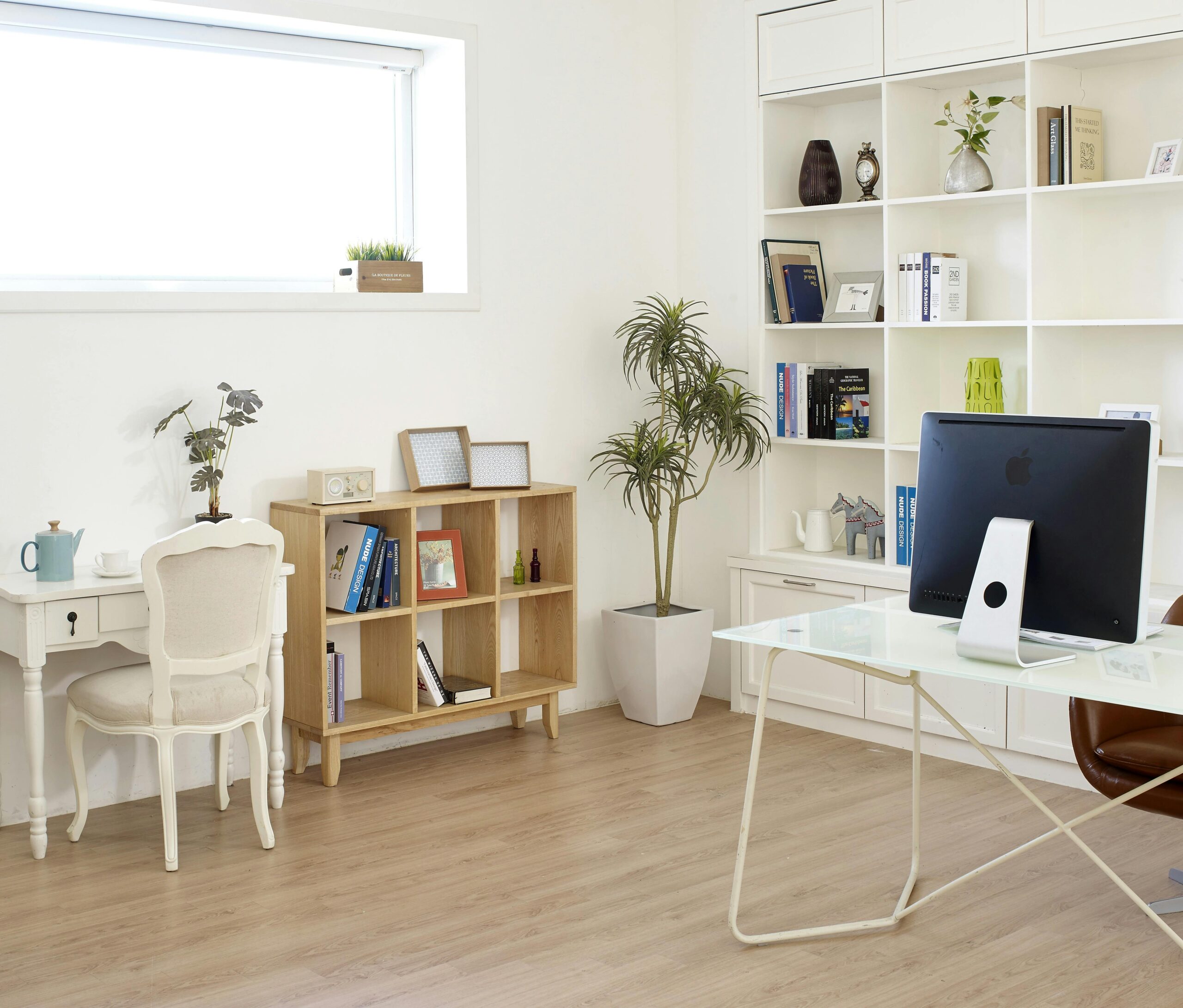
Creating a workspace that prevents migraines while boosting productivity isn’t just a luxury—it’s essential for anyone who experiences chronic headaches or light sensitivity. Your home office environment directly impacts your well-being and work performance.

Whether you’re transitioning to remote work or optimizing an existing setup, understanding how lighting, ergonomics, and environmental factors trigger migraines can transform your daily experience. This comprehensive checklist will guide you through creating a workspace that protects your health without compromising efficiency.
🔆 Mastering Lighting: Your First Line of Defense Against Migraines
Lighting remains the most common migraine trigger in office environments. Poor illumination—whether too bright, too dim, or flickering—can quickly escalate from mild discomfort to debilitating pain. The key is creating layered, adjustable lighting that mimics natural patterns without harsh contrasts.
Natural light should be your foundation, but it requires careful management. Position your desk perpendicular to windows rather than facing them directly. This arrangement provides ambient lighting without glare on your screen or excessive brightness in your peripheral vision. Install blackout curtains or adjustable blinds that allow you to control light intensity throughout the day.
Choosing the Right Artificial Lighting
Overhead fluorescent lights are notorious migraine triggers due to their flicker and harsh blue spectrum. Replace them with warm LED bulbs (2700K-3000K color temperature) that don’t flicker. Look for high CRI (Color Rendering Index) bulbs rated above 90 for more natural-looking light that reduces eye strain.
Implement a three-point lighting system:
- Ambient lighting: Soft overhead or wall-mounted fixtures that provide general illumination
- Task lighting: Adjustable desk lamps positioned to illuminate work surfaces without screen glare
- Accent lighting: Indirect lighting that reduces harsh shadows and creates visual comfort
Consider smart bulbs that allow you to adjust brightness and color temperature throughout the day. Warmer tones in the morning and evening reduce blue light exposure, while slightly cooler tones during midday can enhance alertness without triggering sensitivity.
💻 Screen Setup: Protecting Your Eyes From Digital Strain
Screen-related eye strain compounds migraine risk significantly. Your monitor setup directly influences how much visual stress you experience during work hours. Proper configuration can prevent the cumulative fatigue that often leads to afternoon headaches.
Position your primary monitor 20-26 inches from your eyes—approximately arm’s length. The top of the screen should sit at or slightly below eye level, allowing you to look downward at a 10-15 degree angle. This positioning reduces neck strain while minimizing the exposed white area of your eyes, which decreases light sensitivity.
Monitor Settings That Make a Difference
Brightness should match your surrounding environment—not drastically brighter or dimmer. A simple test: open a blank white document. If it looks like a light source, it’s too bright. If it appears gray or dim, increase brightness. Most people work best with brightness set between 40-60% of maximum capacity.
Enable blue light filters or use specialized software that adjusts color temperature based on time of day. Reduce blue light emission during early morning and evening hours. Most operating systems now include built-in options like Night Light (Windows) or Night Shift (macOS).
Choose matte or anti-glare screens over glossy displays. Glossy screens may produce sharper images, but they create reflections that force your eyes to constantly refocus, accelerating fatigue. Apply an anti-glare screen protector if your monitor has a glossy finish.
🪑 Ergonomic Essentials: Preventing Tension-Triggered Migraines
Muscle tension in your neck, shoulders, and upper back directly contributes to migraine frequency and intensity. Poor posture creates a cascade of problems: restricted blood flow, nerve compression, and sustained muscle contraction that radiates into headache patterns.
Your chair is the foundation of ergonomic setup. Invest in an adjustable office chair with proper lumbar support. Your feet should rest flat on the floor with knees at 90-degree angles. Thighs should be parallel to the ground, and there should be 2-3 inches of space between the back of your knees and the seat edge.
Desk Height and Keyboard Positioning
Desk height determines arm and shoulder positioning. When typing, your elbows should form 90-100 degree angles with forearms parallel to the floor. Wrists should remain neutral—not bent upward or downward—to prevent strain that travels up through arms into shoulders and neck.
Consider a sit-stand desk or desk converter that allows position changes throughout the day. Alternating between sitting and standing reduces sustained muscle tension and improves circulation. Start with 15-minute standing intervals and gradually increase duration as your body adapts.
Position your keyboard directly in front of you with the mouse at the same level. Reaching sideways or forward creates asymmetrical strain. Keep frequently used items within easy reach to minimize repetitive twisting or stretching movements.
🌡️ Environmental Controls: Temperature, Air Quality, and Sound
Environmental factors often fly under the radar, yet they significantly impact migraine susceptibility. Temperature extremes, poor air circulation, and acoustic stress create cumulative triggers that lower your migraine threshold throughout the workday.
Maintain room temperature between 68-72°F (20-22°C). Both excessive heat and cold can trigger migraines, though individual sensitivity varies. Use a programmable thermostat or smart temperature control to maintain consistency. Layer clothing to accommodate personal comfort without relying solely on environmental adjustments.
Air Quality Management
Stale air, low humidity, and airborne irritants contribute to sinus pressure and headaches. Position an air purifier with HEPA filtration in your workspace to remove dust, pollen, and other particles. This becomes especially important if you’re sensitive to allergens or work in a basement or windowless room.
Monitor humidity levels, keeping them between 40-50%. Dry air irritates nasal passages and increases headache risk. Use a humidifier during winter months or in air-conditioned environments. Conversely, excessive humidity promotes mold growth and creates heaviness that some migraine sufferers find problematic.
Managing Acoustic Environment
Sudden noises and sustained background sounds both trigger stress responses that can escalate into migraines. If you share your space or live in a noisy area, implement sound management strategies. White noise machines or apps can mask irregular sounds, creating a consistent acoustic baseline that’s less jarring than intermittent disturbances.
Quality noise-canceling headphones provide relief during focused work periods, though wearing them continuously can create pressure points. Alternate between headphones and open-ear time. Choose headphones with comfortable padding and adjustable fit to prevent additional tension.
📱 Digital Tools for Migraine Tracking and Prevention
Technology offers valuable support for understanding your personal migraine patterns. Tracking apps help identify subtle triggers you might otherwise miss, creating data-driven insights that improve prevention strategies.
Migraine tracking applications allow you to log headache frequency, intensity, duration, and associated symptoms. Many include weather tracking, meal logging, and stress assessments to help correlate environmental and lifestyle factors with migraine occurrence. This information becomes invaluable when discussing treatment options with healthcare providers.
Break reminder apps prevent the extended screen time sessions that accumulate eye strain. Configure notifications for regular breaks using the 20-20-20 rule: every 20 minutes, look at something 20 feet away for 20 seconds. This simple practice reduces accommodation fatigue and gives your visual system recovery time.
🌿 Workspace Organization: Reducing Visual Clutter and Stress
Physical disorganization creates mental clutter that elevates stress levels—a significant migraine contributor. A thoughtfully organized workspace reduces decision fatigue and creates a calmer environment that supports sustained focus without triggering tension.
Implement the “clear desk” policy at day’s end. Return items to designated places, file papers, and reset your space for the next morning. This ritual creates psychological separation between work and personal time while ensuring you start each day in an organized environment.
Color Psychology in Office Design
Color choices impact mood and stress levels. Harsh whites and stark blacks create high contrast that can be visually jarring for migraine sufferers. Opt for soft, muted colors in the blue-green spectrum, which studies associate with reduced stress and improved concentration.
Avoid bright reds, oranges, and yellows in large quantities. While these energizing colors work well as small accents, extensive use can be overstimulating. Choose neutral wall colors like soft gray, beige, or light blue as your base, adding personality through artwork and accessories that you can easily change.
💧 Hydration Station: The Often-Overlooked Prevention Strategy
Dehydration ranks among the most preventable migraine triggers, yet it’s frequently overlooked in workspace design. When you’re focused on tasks, hours can pass without drinking adequate fluids. This neglect creates a cumulative deficit that increases headache susceptibility.
Keep a large water bottle at your desk—aim for 64 ounces minimum daily intake. Choose a bottle with time markers that encourage consistent hydration throughout the day. Set hourly reminders if necessary until the habit becomes automatic.
Position your hydration setup to encourage movement. Placing water slightly away from your desk encourages you to stand and stretch regularly—combining hydration with beneficial position changes. Consider an under-desk mini refrigerator if you prefer cold water, ensuring refreshment is always accessible.
🧘 Movement Integration: Micro-Breaks That Prevent Tension Buildup
Static positioning creates the sustained muscle contraction that feeds into tension headaches and migraines. Regular movement breaks disrupt this pattern, releasing accumulated tension before it reaches problematic levels.
Schedule movement breaks every 45-60 minutes. These don’t require elaborate routines—simple neck rolls, shoulder shrugs, and standing stretches provide significant relief. Walk to another room, do light stretching, or perform a few bodyweight exercises to reset your physical state.
Desk-Friendly Stretching Routine
Develop a 5-minute routine you can perform without leaving your workspace:
- Neck rotations: Slowly roll your head in circles, 5 repetitions each direction
- Shoulder rolls: Lift shoulders toward ears, roll back and down, 10 repetitions
- Upper back stretch: Clasp hands and extend arms forward, rounding upper back
- Chest opener: Clasp hands behind back, squeeze shoulder blades together
- Wrist and finger stretches: Extend arms, pull fingers back gently with opposite hand
These movements counteract the forward-hunched posture common during computer work, releasing tension in primary headache trigger zones.
🎯 Personalizing Your Anti-Migraine Workspace
While general principles apply broadly, migraine triggers vary individually. What works for one person might be irrelevant or even problematic for another. The final step involves identifying your specific sensitivities and customizing your environment accordingly.
Maintain a workspace journal for 2-3 weeks. Note daily conditions: lighting setup, room temperature, noise levels, and how you felt throughout the day. Record any headaches with triggering circumstances. This observational period reveals patterns specific to your physiology and environment.
Testing and Adjusting Variables
Change one variable at a time, maintaining it for at least a week before assessing impact. This methodical approach prevents confusion about which modifications actually help. Common variables to test include:
- Different lighting color temperatures
- Various chair height adjustments
- Alternative monitor positioning
- Different break schedules
- Room temperature variations
Document results objectively. Even small improvements compound over time, creating significant quality-of-life enhancements. Don’t expect immediate perfection—workspace optimization is an ongoing process that evolves with your needs.
🛡️ Preventive Maintenance: Sustaining Your Migraine-Safe Environment
Creating an ideal workspace is only half the equation—maintaining it requires consistent attention. Environmental factors drift over time as we accommodate temporary situations that become permanent habits.
Schedule monthly workspace audits. Reassess your setup against your original checklist. Have items crept into your space that create visual clutter? Has your chair position shifted? Are cables creating trip hazards or visual distractions? Small deviations accumulate into larger problems when left unchecked.
Replace or upgrade equipment proactively. Monitor backlights dim over time, chair cushioning compresses, and desk accessories wear out. Address these issues before they become migraine triggers. Quality equipment represents an investment in your health and productivity—not an expense.
🌟 Beyond the Physical: Mental Environment Matters Too
Your physical workspace is only one component of a truly migraine-safe environment. Mental and emotional factors significantly influence headache frequency. Chronic stress, anxiety, and poor work-life boundaries create physiological responses that lower your migraine threshold.
Establish clear work hours and stick to them. The flexibility of home offices often blurs boundaries, extending work into personal time. This encroachment creates chronic stress that manifests physically. Use visual or physical cues to signal work start and end times—changing clothes, closing office doors, or shutting down equipment completely.
Implement stress-reduction practices during your workday. Brief meditation sessions, breathing exercises, or even five minutes of mindfulness can reset your nervous system. These practices don’t require extensive time commitments—consistency matters more than duration.

✅ Your Implementation Plan: Starting Today
Transforming your workspace doesn’t require completing everything simultaneously. Prioritize changes based on your specific triggers and available resources. Focus on high-impact modifications first, adding refinements progressively.
Week one: Address lighting and screen positioning—two of the most impactful factors requiring minimal investment. Week two: Optimize ergonomic setup, adjusting chair and desk heights. Week three: Implement environmental controls for temperature and air quality. Week four: Establish movement routines and hydration habits.
This phased approach prevents overwhelm while creating sustainable change. Each week builds on previous improvements, compounding benefits without requiring complete workspace overhaul immediately.
Your workspace should support your health while enhancing productivity—not force you to choose between them. By implementing these evidence-based strategies, you create an environment where both thrive. Remember that perfection isn’t the goal; consistent improvement is. Small, intentional changes accumulate into transformative results that protect your well-being and elevate your work quality for years to come.