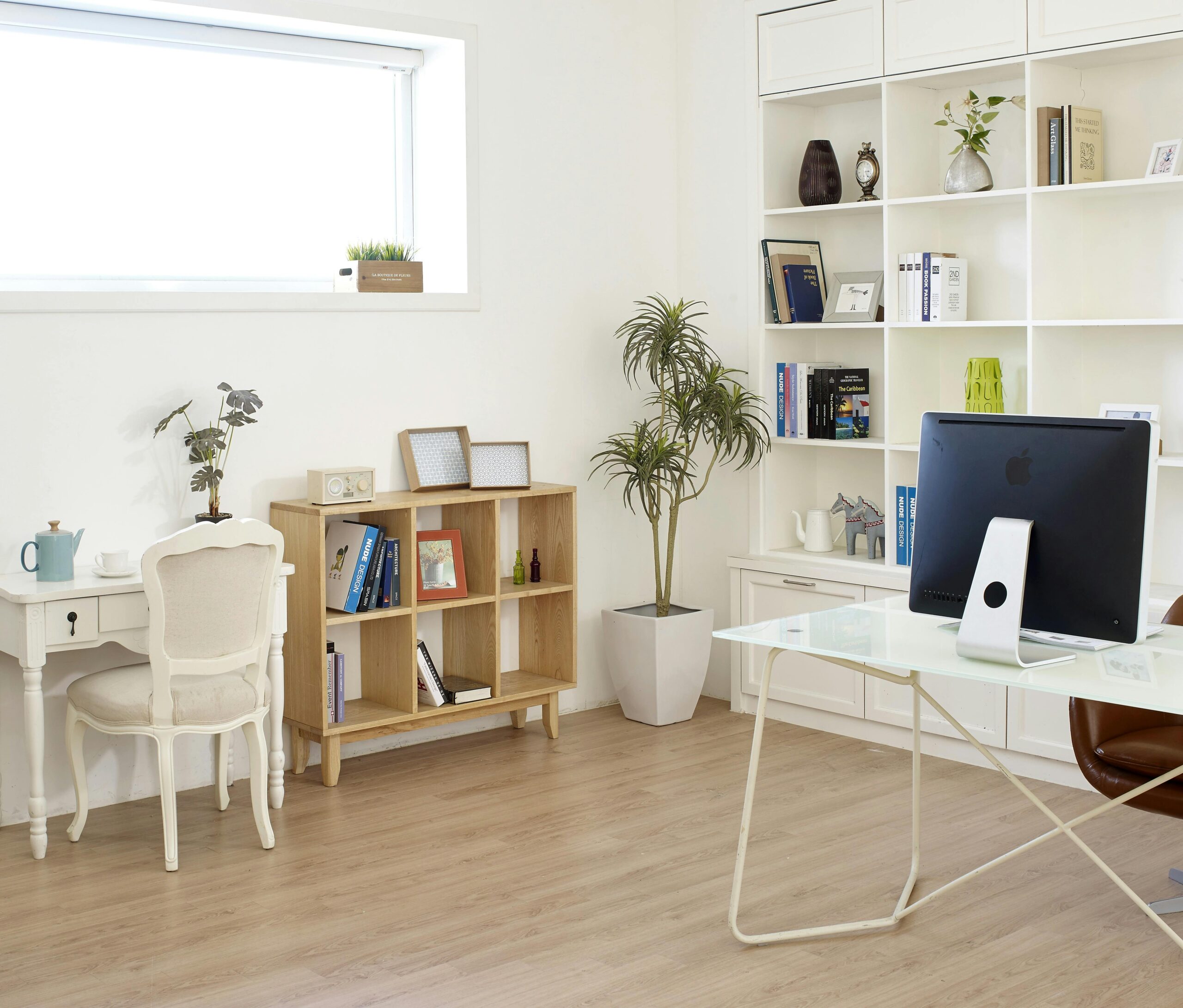
In today’s hyper-connected world, our physical workspace has become a reflection of our mental state. A cluttered desk often mirrors a cluttered mind, making it harder to concentrate and produce meaningful work.

The minimalist workstation movement isn’t about deprivation or aesthetic perfectionism. It’s about intentionally designing an environment that eliminates distractions, reduces decision fatigue, and creates space for deep, focused work. By streamlining your workspace, you’re essentially giving your brain permission to focus on what truly matters rather than processing unnecessary visual stimuli.
Research consistently shows that our environment profoundly impacts cognitive performance. Visual clutter competes for our attention, decreasing our ability to process information and increasing stress levels. When you create a minimalist workstation, you’re not just organizing objects—you’re optimizing your mental bandwidth for the tasks that require your full creative and intellectual capacity.
The Psychology Behind Minimalist Workspaces 🧠
Understanding why minimalist setups work requires exploring the cognitive science behind visual distraction. Our brains have limited processing capacity, and every object in our visual field demands a small portion of our attention, whether we consciously notice it or not.
The Princeton Neuroscience Institute published research demonstrating that physical clutter in your surroundings competes for your attention, resulting in decreased performance and increased stress. When your workspace contains only essential items, your brain can allocate more resources to the task at hand rather than filtering out irrelevant information.
This concept, known as cognitive load theory, explains why minimalist workstations aren’t just aesthetically pleasing—they’re functionally superior for mental performance. Each unnecessary item on your desk creates a micro-decision point that drains your limited willpower and attention reserves throughout the day.
Essential Elements of a Minimalist Workstation ✨
Creating an effective minimalist workspace doesn’t mean removing everything from your desk. It means carefully curating what stays based on functionality and frequency of use. The goal is intentional simplicity, not empty sterility.
The Core Setup Components
Every minimalist workstation should start with these fundamental elements: a clean desk surface, proper lighting, a comfortable chair, and your primary work device. These form the foundation upon which you’ll build your personalized productive environment.
Your desk itself should have enough surface area for your work but not so much that it invites accumulation. Many productivity experts recommend a desk with no drawers or minimal storage to prevent the “out of sight, out of mind” clutter accumulation that undermines minimalist intentions.
Lighting deserves special attention because inadequate or harsh lighting creates eye strain and mental fatigue. Natural light is ideal, but when unavailable, a quality desk lamp with adjustable brightness and color temperature can significantly impact your focus and energy levels throughout the day.
Technology Integration
In our digital age, technology forms the centerpiece of most workstations. The minimalist approach to tech involves reducing physical devices while maximizing digital efficiency. Consider whether you truly need multiple monitors or if a single, high-quality display might serve you better with fewer distractions.
Cable management is crucial for maintaining visual simplicity. Visible cables create visual noise that your brain must constantly filter out. Simple solutions like cable clips, sleeves, or under-desk cable trays can transform a chaotic tech setup into a clean, streamlined workspace.
For digital minimalism on your devices, applications that help reduce digital clutter and enhance focus can be valuable. Tools that block distracting websites, organize your digital files, or create focused work environments on your computer complement your physical minimalist setup.
The One-Touch Rule and Daily Maintenance 🔄
Minimalist workstations don’t maintain themselves. The most successful minimalists follow the “one-touch rule”—when you finish using something, immediately return it to its designated place rather than setting it aside to deal with later.
This simple habit prevents the gradual accumulation of items that transforms a clean desk into a cluttered one over days and weeks. It takes discipline initially, but quickly becomes automatic, preserving your workspace’s clarity with minimal effort.
Implement a daily closing ritual where you spend five minutes at the end of each workday resetting your workspace. File papers, close unnecessary applications, wipe down your desk surface, and prepare your space for the next day. This ritual creates both a psychological transition between work and personal time and ensures you start each day with a clean slate.
Color Psychology and Material Choices 🎨
The colors and materials in your workspace significantly influence your mental state and productivity levels. Minimalist doesn’t necessarily mean all white or grayscale—it means intentional color choices that support your work rather than distract from it.
Neutral tones like whites, grays, and beiges create a calming backdrop that allows your mind to focus. However, strategic accent colors can enhance specific mental states: blues promote calmness and focus, greens reduce eye strain and encourage creativity, while small touches of yellow can boost energy and optimism.
Material choices matter too. Natural materials like wood add warmth without visual complexity, while metal and glass can create a modern, professional atmosphere. The key is consistency—mixing too many different materials creates visual noise even when the overall quantity of items remains minimal.
Storage Solutions That Actually Work 📦
Effective minimalism requires smart storage, not the absence of possessions. The items you need but don’t use daily should have designated homes that keep them accessible but out of sight.
Consider a simple filing system for papers, with categories broad enough to be useful but specific enough to find things quickly. Digital scanning can eliminate most paper storage needs, but for documents requiring physical copies, a single file box or drawer beats scattered piles every time.
Desk drawer organizers prevent the junk drawer phenomenon where items disappear into chaotic black holes. Small containers or dividers create zones for different item categories, making it easy to find what you need and notice when items accumulate unnecessarily.
The Inbox System
Implement a physical inbox for items requiring action—documents to review, bills to pay, or materials for upcoming projects. This single collection point prevents papers from spreading across your workspace while giving you a clear visual indicator of pending tasks.
The critical rule: the inbox must be emptied regularly, ideally daily or at minimum weekly. An overflowing inbox becomes just another clutter source, undermining the system’s purpose.
Digital Minimalism for Your Devices 💻
Your physical workspace may be minimal, but if your digital workspace is chaotic, you haven’t truly solved the problem. Digital clutter creates the same mental drain as physical clutter, just on a screen.
Organize your computer desktop like you would your physical desk. Keep only current project files visible, store everything else in a logical folder structure, and use your desktop as a workspace rather than a permanent storage location.
Browser tab overload is a modern epidemic that fragments attention and consumes mental energy. Adopt the habit of closing tabs when finished with them, or use tab management tools that automatically organize or suspend inactive tabs.
Notifications represent one of the most insidious forms of digital clutter. Each ping, pop-up, or badge interrupts your focus and requires cognitive resources to process and dismiss. Ruthlessly disable all non-essential notifications, allowing only truly urgent communications to break through your concentration.
Personalizing Your Minimal Space 🌿
Minimalism doesn’t require sterility. A completely impersonal workspace can feel cold and uninspiring, potentially reducing rather than enhancing productivity. The key is intentional personalization—choosing a very small number of meaningful items that inspire you without creating visual clutter.
A single plant can bring life to your workspace while improving air quality and reducing stress. Research shows that even one plant on your desk can increase productivity by up to 15%. Choose low-maintenance varieties like succulents or snake plants that thrive with minimal attention.
One piece of meaningful artwork or a single photo can provide emotional connection without overwhelming your space. The emphasis is on quality over quantity—choose items that genuinely resonate with you rather than filling space for the sake of decoration.
The Standing Desk Question 🚶
Standing desks have become synonymous with modern, health-conscious workspaces, but do they fit into a minimalist setup? The answer depends on your specific needs and space constraints.
Adjustable standing desks can actually support minimalism by eliminating the need for separate sitting and standing furniture. However, they’re larger and more complex than traditional desks, potentially conflicting with minimalist aesthetics.
If you choose a standing desk, ensure it has minimal controls and clean lines. Avoid models with excessive features you won’t use. Remember that standing all day isn’t healthier than sitting all day—the goal is movement and position variation throughout your workday.
Measuring Success and Making Adjustments 📊
How do you know if your minimalist workstation is actually working? Pay attention to both objective and subjective measures of productivity and well-being.
- Track your ability to enter and maintain deep focus states
- Monitor how much time you spend searching for items or information
- Notice your stress levels at the beginning and end of workdays
- Assess the quality and quantity of work you’re producing
- Observe your mental clarity and decision-making abilities
Your ideal minimalist setup is personal and may require experimentation. What works perfectly for one person might not suit another’s work style or needs. Give any changes at least two weeks before evaluating effectiveness—it takes time to adapt to new environmental configurations.
Common Minimalist Mistakes to Avoid ⚠️
The path to workspace minimalism has predictable pitfalls. Being aware of these common mistakes helps you avoid them and create a setup that truly serves your productivity rather than just looking minimalist.
The first mistake is removing too much too quickly. If you eliminate items you actually need, you’ll spend mental energy working around their absence or repeatedly re-acquiring them. Start gradually, removing the obvious clutter first, then evaluating what you genuinely use over several weeks.
Another error is prioritizing aesthetics over functionality. An Instagram-worthy workspace that doesn’t support your actual work habits won’t improve your productivity. Your setup should serve your workflow, not social media approval.
Some people swing too far toward austerity, creating cold, unwelcoming spaces that feel punishing rather than inspiring. Minimalism should enhance your work experience, not make it unpleasant.
Maintaining Minimalism Long-Term 🎯
The real challenge isn’t creating a minimalist workstation—it’s maintaining it over months and years as your work evolves and new items inevitably enter your space.
Implement a “one in, one out” policy where each new item added to your workspace requires removing something else. This prevents gradual accumulation and forces you to evaluate whether new additions truly deserve space in your streamlined environment.
Schedule regular workspace audits—monthly or quarterly reviews where you critically examine every item on or near your desk. Ask yourself: Have I used this in the past month? Does it actively support my work? If not, it’s time for it to go.
Remember that minimalism is a practice, not a destination. Your workspace will never be “done” because your needs and work evolve. Embrace this ongoing refinement as part of your professional development rather than viewing it as a chore.

Creating Focus Zones Within Your Space 🎯
Even within a minimal workspace, you can create psychological zones that support different types of work. This doesn’t require separate rooms or elaborate setups—subtle distinctions can powerfully influence your mental state.
Your primary work zone should face away from high-traffic areas and windows with distracting views. This positioning reduces external interruptions and helps your brain understand that facing this direction means focused work time.
If space allows, designate a separate thinking or creative zone—perhaps a comfortable chair positioned differently from your main desk. This physical distinction helps your brain shift between execution mode and contemplation mode more easily.
By crafting a minimalist workstation that truly serves your cognitive needs, you’re investing in your most valuable resource: your mental clarity and creative capacity. The space you create around yourself either supports or hinders your best work, and choosing intentional simplicity is choosing to prioritize what matters most in your professional life.