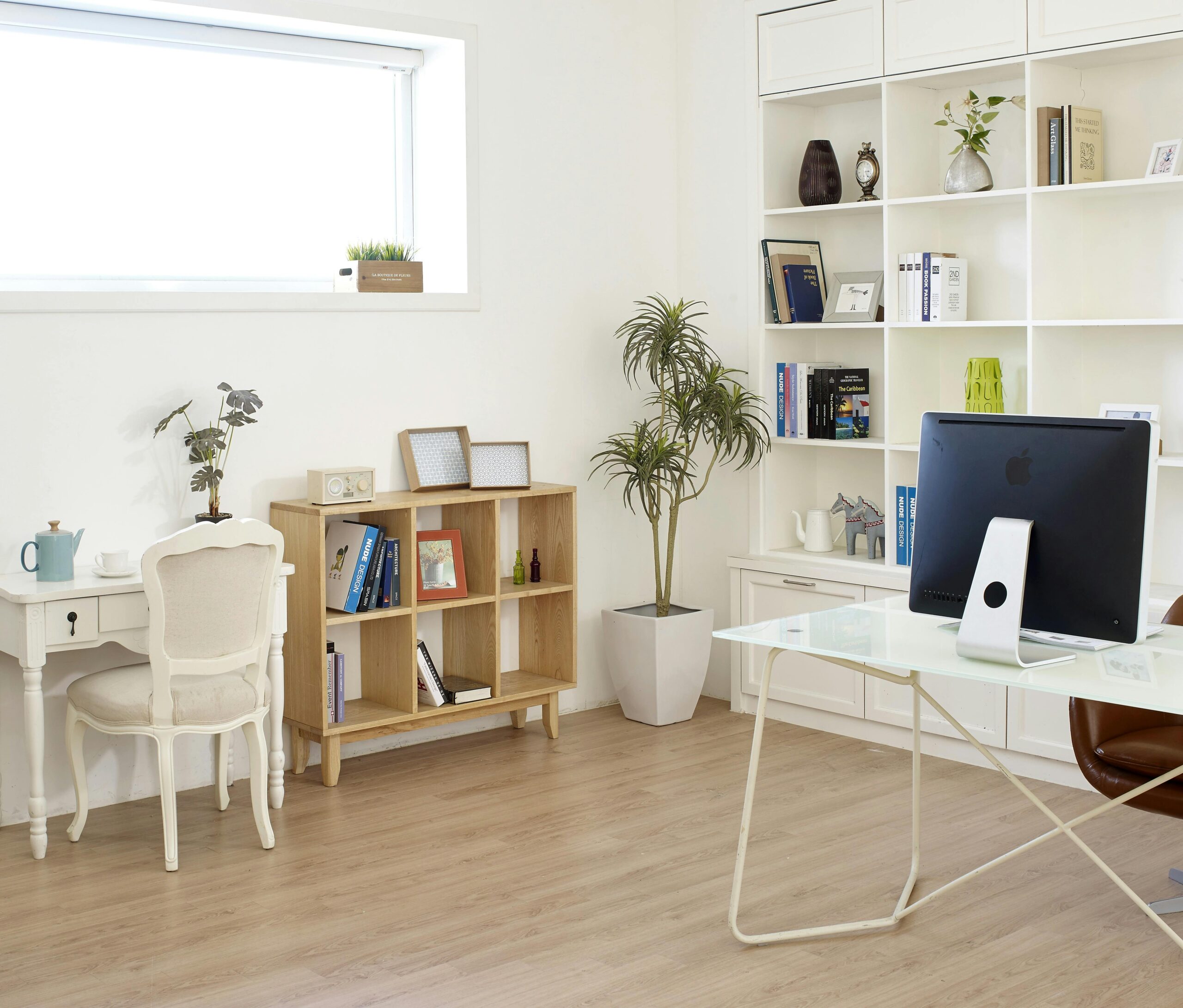
Modern workplaces are buzzing with activity, notifications, and constant stimulation. Creating a dedicated low-stimulation break zone can dramatically improve employee wellbeing, productivity, and mental health.

In today’s hyperconnected work environment, our brains rarely get a chance to rest. The average office worker is interrupted every three minutes, making it nearly impossible to achieve deep focus or genuine relaxation. A thoughtfully designed low-stimulation break zone offers employees a sanctuary from sensory overload, allowing their nervous systems to reset and recharge before returning to demanding tasks.
🧠 Understanding the Science Behind Low-Stimulation Environments
Our brains process approximately 11 million bits of information every second, yet we can only consciously handle about 50 bits. This massive filtering process requires significant cognitive energy, which becomes depleted in high-stimulation environments. When we’re constantly bombarded with visual, auditory, and social stimuli, our mental resources drain rapidly, leading to decision fatigue, reduced creativity, and increased stress hormones.
Low-stimulation spaces work by minimizing these cognitive demands. They reduce the number of decisions your brain must make about what to focus on, which sounds to filter out, and which visual elements to process. This conservation of mental energy allows for genuine restoration rather than mere distraction.
Research from environmental psychology demonstrates that exposure to low-stimulation environments can lower cortisol levels by up to 28% within just 20 minutes. This physiological reset translates to improved focus, enhanced problem-solving abilities, and better emotional regulation when employees return to their workstations.
🎨 Essential Design Elements for Your Break Zone
Color Psychology and Visual Calm
The colors you choose for your low-stimulation zone profoundly impact its effectiveness. Avoid bright, saturated colors that activate the nervous system. Instead, opt for muted, natural tones that promote relaxation without inducing sleepiness.
Soft blues and greens have been shown to reduce heart rate and blood pressure. These colors mimic natural environments like sky and foliage, triggering our innate biophilic responses. Warm neutrals like beige, taupe, and soft grey create a cocooning effect that signals safety to our primitive brain.
Consider painting walls in colors with low chroma (low saturation) and mid-range value (neither too light nor too dark). A soft sage green or warm grey-blue works exceptionally well. Avoid stark white walls, which can feel clinical and actually increase visual stimulation through glare and contrast.
Lighting That Supports Nervous System Regulation
Lighting might be the single most important element in your low-stimulation break zone. Harsh fluorescent overhead lights keep our sympathetic nervous system activated, preventing true relaxation. Your break zone should eliminate these entirely if possible.
Natural light filtered through sheer curtains provides ideal illumination during daylight hours. If windows aren’t available, invest in full-spectrum LED lights with dimming capabilities. Set them to warm color temperatures (2700-3000K) that mimic sunset or candlelight, naturally cueing the body to relax.
Layer your lighting with multiple sources at different heights rather than relying on a single overhead fixture. Floor lamps, table lamps, and wall sconces create a gentler, more varied light field that’s easier on the eyes and nervous system. Consider installing smart bulbs that allow users to adjust brightness and color temperature according to their needs.
Acoustic Design for Mental Clarity
Sound pollution is one of the most overlooked stressors in modern workplaces. Your low-stimulation zone must address acoustic comfort as rigorously as visual elements. Complete silence isn’t necessary or even desirable—in fact, it can feel unsettling. The goal is to eliminate jarring, unpredictable sounds while introducing gentle, consistent acoustic elements.
Install sound-absorbing materials like acoustic panels, heavy curtains, or even fabric-wrapped wall treatments. These materials dampen echoes and reduce sound transmission from adjacent spaces. Carpeting or area rugs further minimize acoustic reverberation compared to hard flooring.
Consider introducing subtle ambient sounds that mask distracting noises without becoming stimulating themselves. Gentle nature sounds like rainfall, forest ambiance, or ocean waves work well. White noise machines or specialized apps can also provide consistent, non-distracting sound coverage.
🛋️ Furniture and Spatial Layout Strategies
Seating Options That Support Different Relaxation Styles
People relax in different ways, so offer variety in seating options. Some employees need to recline fully, while others prefer gentle support that keeps them alert enough to meditate or practice breathing exercises.
Include at least one zero-gravity or deeply reclined chair that allows full body support. These chairs reduce pressure on the spine and signal to the nervous system that it’s safe to let go of protective muscle tension. Bean bags or floor cushions appeal to those who prefer groundedness and informal postures.
Don’t overlook standard comfortable seating like upholstered armchairs with ottomans. Choose furniture with rounded edges and soft textures rather than angular, hard-surfaced pieces. Natural materials like wood and cotton feel more soothing than synthetic plastics and metals.
Space Planning for Privacy and Flow
Even in a shared break zone, privacy is essential. People cannot fully relax if they feel observed or exposed. Use spatial planning and subtle barriers to create semi-private nooks within the larger space.
Position seating with backs toward the entry point so people feel protected rather than on display. Use low shelving units, large plants, or hanging fabric panels to divide the space into smaller zones without creating complete isolation. This allows for choice—employees can select more open or more secluded spots depending on their comfort level.
Maintain clear pathways that don’t require people to navigate around relaxing colleagues. Nothing disrupts restoration faster than feeling like you’re in someone’s way or having people walk directly past your resting space.
🌿 Biophilic Elements That Enhance Restoration
Humans have an innate connection to nature called biophilia. Incorporating natural elements into your low-stimulation zone amplifies its restorative effects significantly. Studies show that even brief exposure to nature—or nature-inspired design—can restore attention capacity and reduce mental fatigue.
Live plants are the most obvious biophilic element. Choose low-maintenance varieties with soft, rounded leaves rather than spiky or dramatic foliage. Pothos, snake plants, peace lilies, and ferns all work beautifully. Avoid strongly scented plants that might overwhelm sensitive individuals.
Natural materials communicate safety and restoration to our evolutionary psychology. Incorporate wood elements through furniture, flooring, or wall treatments. Natural fiber textiles like cotton, linen, and wool feel better against skin than synthetics and don’t trigger the slight sensory irritation that artificial materials sometimes cause.
If you have budget constraints, even representations of nature provide benefits. Large-format nature photography or murals depicting forest scenes, water features, or mountain landscapes trigger similar responses to actual nature exposure. Choose images without people, animals, or dramatic weather—gentle, peaceful natural scenes work best.
📱 Technology Guidelines for True Disconnection
A truly effective low-stimulation zone requires clear boundaries around technology use. The constant pull of devices prevents genuine restoration, keeping us in a state of partial attention that’s neither productive nor restful.
Consider establishing your break zone as a technology-limited or technology-free space. Provide lockers or baskets where employees can voluntarily store devices during their break. This physical separation makes it easier to resist the habit of checking notifications.
If complete device-free policies feel too restrictive, set clear guidelines about device use. Permit devices only for specific relaxation purposes like meditation apps, ambient sound apps, or gentle music. Disable or dim screen brightness to reduce visual stimulation.
For those seeking guided relaxation support, meditation and breathing apps can be valuable tools. Applications that offer simple, uncluttered interfaces with minimal notifications work best in this context.
🧘 Activities and Resources to Support Different Restoration Styles
People restore their mental energy in different ways. Some need complete stillness, while others benefit from gentle, repetitive activities that occupy the hands while freeing the mind. Stock your break zone with options that support various restoration preferences.
Mindfulness and Meditation Support
Provide resources that support meditation practice without requiring prior experience. Simple instruction cards with breathing techniques, body scan practices, or brief mindfulness exercises help employees who want to try these approaches but don’t know where to start.
Meditation cushions or benches give people proper support for sitting practices. A small library of books on mindfulness, stress reduction, and meditation offers another resource for curious employees.
Gentle Tactile Activities
Repetitive, low-complexity activities can be deeply restorative. Consider providing materials for simple crafts like adult coloring books, modeling clay, or smooth stones for worry stone practice. These activities engage the hands and provide just enough focus to quiet mental chatter without creating new stress.
Texture cards, fidget tools designed for sensory regulation, or small desktop sand gardens (miniature zen gardens) offer tactile engagement that many people find calming. Choose items that are quiet in use—avoid anything that clicks, beeps, or makes noise that might disturb others.
Reading and Reflection Materials
A curated selection of reading materials supports restoration for those who relax through gentle mental engagement. Choose content carefully—avoid work-related materials, news, or anything potentially stressful or controversial.
Poetry collections, nature writing, short inspirational essays, and photography books work well. These materials offer brief, complete experiences that fit within a typical break duration. Include journals or notebooks for those who find writing or drawing restorative.
🔇 Establishing Respectful Usage Guidelines
Even the most perfectly designed space will fail if behavioral norms don’t support its purpose. Clear, positively framed guidelines help create the culture necessary for your low-stimulation zone to succeed.
Post simple, visual guidelines near the entrance that communicate expectations without being punitive. Frame rules positively: “This space supports quiet restoration” rather than “No talking.” Use symbols alongside text to make guidelines accessible to everyone.
Consider implementing a simple booking system if your space is small or highly popular. This prevents overcrowding and the stress of wondering whether you’ll find an available spot. Time limits (perhaps 20-30 minutes) ensure fair access while providing enough time for genuine restoration.
Designate a “zone guardian” or rotate responsibility among team members who gently remind others of space guidelines if needed. This person also monitors supplies, maintains cleanliness, and reports any issues with lighting, temperature, or other environmental factors.
🌡️ Environmental Comfort Factors
Temperature and Air Quality
Temperature significantly impacts relaxation capacity. A slightly cooler environment (around 68-70°F or 20-21°C) generally supports rest better than warmer temperatures, though individual preferences vary. If possible, provide individual control through space heaters or fans rather than relying solely on central systems.
Air quality deserves equal attention. Stuffy, stale air keeps us in a state of low-grade alertness. Ensure adequate ventilation through windows, HVAC systems, or air purifiers. Some plants also improve air quality while adding biophilic benefits.
Avoid artificial fragrances, which can trigger sensitivities and actually increase sensory load rather than reducing it. If you want to incorporate scent, use it minimally and naturally—a small pot of lavender or eucalyptus provides subtle aromatherapy without overwhelming.
Flexibility for Sensory Sensitivities
Recognize that some employees have heightened sensory sensitivities due to neurodivergence, chronic illness, or other factors. Design with adjustability so individuals can customize their experience.
Provide options like eye masks, noise-canceling headphones, or weighted blankets for those who need additional sensory modification. A small basket with these items (cleaned regularly) makes the space more accessible to people with varied needs.
💡 Implementation Strategy: From Concept to Reality
Assessing Your Space and Budget
Start by evaluating available spaces within your workplace. Ideal locations are removed from high-traffic areas, have access to natural light, and can be acoustically isolated from noisy zones. Even a repurposed small conference room or large storage closet can work if properly designed.
Budget considerations shouldn’t prevent implementation. A low-stimulation zone can be created affordably by focusing on essentials: reducing visual clutter, improving lighting, adding sound absorption, and including comfortable seating. Expensive furniture matters less than thoughtful design choices.
Gathering Employee Input
Survey employees about their restoration preferences and stress triggers before finalizing your design. What sounds do they find most distracting? What helps them relax? How long do they typically have for breaks? This input ensures your space meets actual needs rather than assumed ones.
Consider forming a small committee of interested employees to guide the project. This creates buy-in and ensures diverse perspectives shape the final design.
Phased Implementation
You don’t need to complete everything at once. Phase your implementation to spread costs and allow for adjustments based on actual usage patterns. Start with the most impactful elements—lighting, sound control, and comfortable seating—then add refinements over time.
Monitor usage during the first few months. Which features get used most? What feedback emerges? Be willing to adjust based on real-world experience rather than rigid adherence to your initial plan.
🎯 Measuring Success and Long-Term Maintenance
How do you know if your low-stimulation zone is working? Establish metrics before implementation so you can demonstrate value to leadership and identify areas for improvement.
Track usage through a simple sign-in sheet or anonymous counter. Survey employees about their experience—do they feel more relaxed after using the space? Has it improved their ability to focus afterward? Has workplace stress decreased since implementation?
Qualitative feedback matters as much as quantitative data. Create opportunities for employees to share stories about how the space has helped them. These narratives often prove more compelling than statistics when justifying continued investment.
Maintain the space consistently. A cluttered, dirty, or broken break zone loses its effectiveness quickly. Assign clear responsibility for daily tidying, weekly deep cleaning, and regular replacement of consumable items. Check lighting, temperature, and acoustic elements quarterly to ensure they’re still functioning optimally.

🌟 Beyond the Break Zone: Cultural Transformation
A well-designed low-stimulation break zone does more than provide a physical space—it signals that your organization values employee wellbeing and recognizes the importance of restoration. This physical manifestation of care can catalyze broader cultural changes around work-life balance, sustainable productivity, and mental health support.
When employees see their employer investing in their ability to rest and recharge, trust increases. This trust translates into greater engagement, reduced turnover, and improved overall workplace satisfaction. The break zone becomes a symbol of an organization that understands that human beings are not machines designed for constant output.
Your low-stimulation break zone represents an acknowledgment that our best work emerges not from relentless pushing but from rhythms of engagement and restoration. By creating space for genuine rest, you’re investing in sustained creativity, improved decision-making, and the long-term health of your most valuable resource—your people.
The workplace of the future recognizes that downtime isn’t wasted time but essential fuel for human performance. Your low-stimulation break zone isn’t just a nice amenity—it’s a strategic investment in organizational resilience, innovation, and the fundamental wellbeing that makes all other achievements possible.