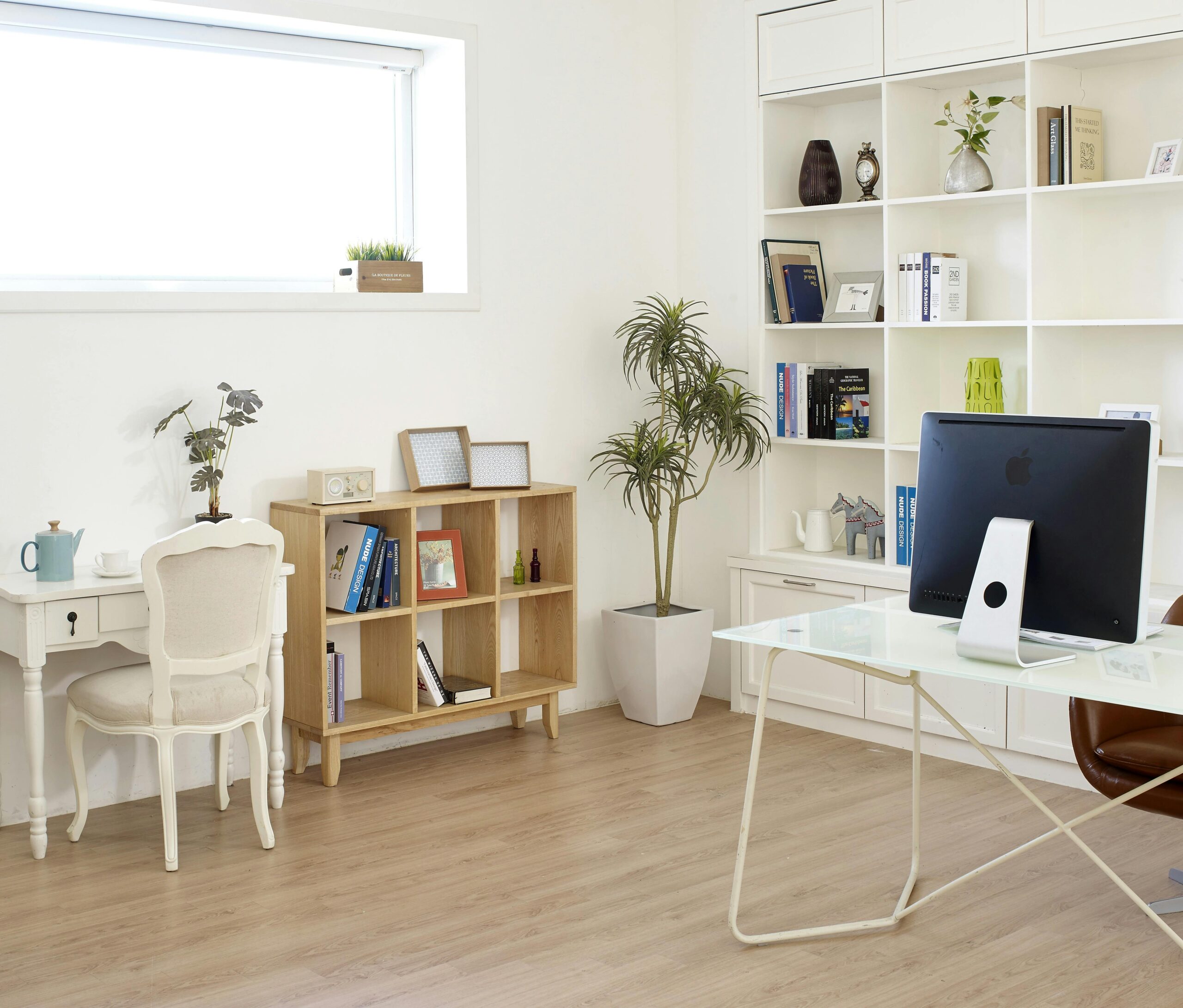
Open office environments have revolutionized modern workspaces, but they’ve also introduced a persistent challenge: screen glare that affects both productivity and eye health. Whether it’s sunlight streaming through floor-to-ceiling windows or harsh overhead fluorescent lighting, glare remains one of the most common complaints among office workers today.

The impact of glare extends far beyond simple annoyance. Studies show that prolonged exposure to screen glare contributes to digital eye strain, headaches, decreased focus, and reduced work efficiency. With most professionals spending 7-9 hours daily in front of screens, mastering anti-glare strategies isn’t just about comfort—it’s essential for maintaining peak performance and long-term visual health.
🔍 Understanding the Glare Problem in Modern Workspaces
Before implementing solutions, it’s crucial to understand what causes glare in open office settings. Glare occurs when excessive brightness creates visual discomfort or reduces your ability to see details clearly on your screen. In collaborative workspaces, multiple light sources converge from various angles, making glare management particularly challenging.
There are two primary types of glare affecting office workers. Direct glare happens when bright light sources shine directly into your eyes or onto your screen. Reflected glare occurs when light bounces off your screen or other reflective surfaces before reaching your eyes. Both types force your eyes to work harder, leading to fatigue and reduced concentration.
Open office layouts magnify these issues because individual workers have limited control over environmental factors. Unlike private offices where you can adjust lighting and window coverings freely, shared spaces require creative solutions that don’t interfere with colleagues’ preferences or workspace aesthetics.
💡 Strategic Desk Positioning and Orientation
Your desk location and monitor placement form the foundation of effective glare management. The optimal setup positions your screen perpendicular to windows rather than directly facing or backing them. This configuration minimizes both direct sunlight hitting your screen and backlighting that creates silhouette effects.
When positioning isn’t negotiable, work with what you have. If your desk faces a window, request a slight angle adjustment of even 15-20 degrees can significantly reduce direct glare during peak sunlight hours. Morning workers should avoid east-facing positions, while afternoon workers benefit from avoiding west-facing orientations.
Monitor Height and Tilt Optimization
Screen angle plays a surprisingly significant role in glare reduction. Your monitor should tilt slightly backward, typically 10-20 degrees from vertical. This angle helps deflect overhead lighting away from your line of sight while maintaining ergonomic viewing positions.
Height matters equally. Position your screen so the top edge sits at or slightly below eye level, approximately 20-28 inches from your eyes. This placement not only reduces neck strain but also creates a downward viewing angle that naturally minimizes reflections from ceiling lights.
🛡️ Physical Anti-Glare Solutions That Actually Work
Screen protectors and filters represent your first line of defense against persistent glare. High-quality anti-glare screen filters reduce reflections by up to 99% while maintaining image clarity. Look for filters with matte finishes rather than glossy surfaces, as matte textures diffuse light more effectively.
Modern anti-glare filters come in various formats including adhesive films, magnetic attachments, and frame-mounted options. Magnetic versions offer flexibility for workers who alternate between glare-prone and glare-free conditions throughout the day. Premium filters also incorporate blue light blocking technology, providing dual protection for your eyes.
Desktop Accessories for Glare Control
Simple desktop additions can dramatically improve your viewing conditions. Monitor shades or hoods create physical barriers against ambient light, particularly effective for workers positioned near windows. These accessories attach directly to your monitor and fold flat when not needed, making them ideal for shared workspaces.
Anti-glare desk lamps with adjustable arms and color temperature controls let you supplement inadequate lighting without creating additional reflections. Position task lighting to the side of your monitor rather than behind or in front, creating balanced illumination that reduces screen contrast and eye strain.
⚙️ Software and Display Settings Optimization
Your display settings significantly influence how glare affects your viewing experience. Brightness levels should complement ambient lighting—increase brightness in well-lit environments and decrease it in dimmer conditions. A good rule: your screen should appear neither as a light source nor as a dark object in your environment.
Contrast settings deserve equal attention. Higher contrast ratios reduce eye strain by making text and images more distinguishable against backgrounds. However, excessive contrast in bright environments can amplify glare effects, so aim for balanced settings that feel comfortable throughout your workday.
Color Temperature and Night Mode Features
Blue light from screens becomes particularly problematic when combined with glare. Modern operating systems include night mode or blue light reduction features that shift display colors toward warmer tones. Enable these features especially during afternoon and evening hours when eye fatigue accumulates.
Most systems allow custom scheduling—set your displays to automatically adjust color temperature as natural lighting changes throughout the day. This dynamic approach reduces the jarring effect of sudden brightness changes while maintaining color accuracy during peak productivity hours.
🌿 Environmental Modifications Within Your Control
Even in open offices, small environmental changes within your immediate workspace can yield significant improvements. If company policy permits, introduce small plants to your desk area. Greenery absorbs and diffuses light while providing natural visual breaks that reduce eye fatigue—a dual benefit for glare management and overall wellbeing.
Personal desk shades or portable privacy screens serve multiple purposes. While primarily designed for focus and privacy, these barriers also block indirect light sources and reduce reflections from neighboring workstations. Choose materials with matte finishes that absorb rather than reflect ambient light.
Clothing and Personal Choices
Your wardrobe choices can surprisingly impact screen glare. Wearing dark or neutral colors reduces light reflection from your clothing onto your screen. White or brightly colored shirts can create a “bounce light” effect that increases overall brightness in your viewing field.
Anti-reflective eyewear has become increasingly sophisticated. If you wear glasses, invest in lenses with premium anti-reflective coatings specifically designed for computer use. Non-prescription computer glasses are also available for those without corrective needs, featuring coatings that minimize both glare and blue light exposure.
📱 Technology Solutions and Productivity Apps
Several applications help manage screen brightness and color temperature more intelligently than built-in system controls. These tools use ambient light sensors and time-based algorithms to automatically optimize display settings throughout your workday.
Desktop dimmer applications provide granular control over brightness levels beyond what standard settings allow. These tools prove especially valuable for workers with multiple monitors, enabling independent brightness control for each screen based on its position relative to light sources.
Automated Workflow Adjustments
Consider scheduling brightness-intensive tasks during optimal lighting conditions. Save photo editing, design work, or color-critical projects for times when natural lighting provides the best screen visibility. Reserve less visually demanding tasks like email management or writing for peak glare hours.
Break reminder apps encourage regular eye rest intervals following the 20-20-20 rule: every 20 minutes, look at something 20 feet away for 20 seconds. These micro-breaks significantly reduce cumulative eye strain from both glare and extended screen focus.
🤝 Collaborative Solutions for Open Office Environments
Address glare issues collectively by initiating conversations with facilities management and colleagues. Many workers suffer silently from the same problems, and coordinated solutions often benefit everyone. Propose adjustable window treatments like smart blinds or dual-layer curtains that filter light without completely blocking natural illumination.
Office lighting audits can identify problematic fixtures and positions. LED panels with diffusers distribute light more evenly than traditional fluorescent tubes, reducing glare hotspots. Advocate for dimmable lighting systems that allow teams to adjust brightness based on natural light availability and collective preference.
Hot-Desking and Flexible Workspace Strategies
If your office implements hot-desking or flexible seating, leverage this mobility to your advantage. Track which locations experience the least glare at different times and plan your desk selection accordingly. Morning workers might prefer interior positions, while afternoon workers could benefit from east-facing desks that receive morning light but avoid harsh afternoon sun.
Create a shared resource document where colleagues can note optimal desk positions for various conditions. This collective intelligence helps everyone make informed workspace choices while building team awareness about environmental challenges.
⏰ Time-Based Strategies for Peak Performance
Glare intensity fluctuates predictably throughout the day. Map your office’s lighting patterns over several weeks, noting when and where glare becomes most problematic. Use this intelligence to structure your workday strategically, scheduling critical focus tasks during optimal conditions.
Seasonal changes dramatically affect indoor lighting conditions. Windows that cause minimal issues in winter may become glare sources as the sun’s path shifts in spring and summer. Anticipate these transitions and adjust your workspace configuration proactively rather than reactively.
Weather-Responsive Adjustments
Cloudy days often provide the most comfortable viewing conditions as diffused natural light illuminates spaces evenly without harsh contrasts. Conversely, clear sunny days require maximum glare protection. Keep portable solutions like screen filters or desk shades readily accessible to deploy as weather conditions change.
Particularly challenging are partly cloudy conditions where lighting shifts rapidly between bright and dim. For these days, rely more heavily on artificial task lighting to maintain consistent illumination that doesn’t compete with fluctuating natural light.
💪 Building Long-Term Eye Health Habits
Beyond immediate glare management, develop habits that protect your vision over time. Regular eye examinations ensure your prescription remains current and allow professionals to assess cumulative effects of screen exposure. Inform your optometrist about your work environment so they can recommend appropriate corrective measures.
Hydration significantly impacts eye comfort. Dehydration reduces tear production, making eyes more susceptible to strain from glare and extended screen time. Keep water readily available at your desk and set reminders to maintain consistent hydration throughout workdays.
Exercise and Eye Wellness
Eye exercises strengthen the muscles controlling focus and can reduce fatigue from constant screen viewing. Simple practices like focusing alternately on near and distant objects, gentle eye rotations, and conscious blinking help maintain eye health despite challenging lighting conditions.
General physical activity improves circulation including blood flow to the eyes, supporting their resilience against environmental stressors. Regular walks outside provide the dual benefit of physical exercise and exposure to varied focal distances, counteracting the fixed-distance focus of screen work.
🎯 Measuring Success and Ongoing Optimization
Track your productivity and comfort levels as you implement these strategies. Note which interventions provide the most significant improvements and which remain ineffective in your specific environment. Glare management isn’t one-size-fits-all; optimal solutions vary based on workspace layout, personal sensitivity, and job requirements.
Pay attention to indirect indicators of improved conditions. Reduced headache frequency, decreased end-of-day eye fatigue, and improved afternoon productivity often signal successful glare management even when changes feel subtle during implementation.
Consider investing in a light meter to objectively measure illumination levels at your workspace. Optimal office lighting typically ranges between 300-500 lux for general tasks and up to 750 lux for detail work. These measurements help you advocate for environmental improvements with concrete data rather than subjective complaints.

🚀 Taking Control of Your Workspace Experience
Mastering anti-glare strategies in open office environments requires a multi-faceted approach combining physical adjustments, technology solutions, collaborative efforts, and personal habits. While you may not control every aspect of your workspace, numerous tactics remain within your influence to dramatically improve viewing conditions and reduce eye strain.
Start with quick wins like adjusting monitor position and optimizing display settings, then gradually implement more comprehensive solutions as you identify specific needs and opportunities. Remember that small cumulative changes often deliver more sustainable results than attempting dramatic overhauls that may not fit within workplace constraints.
The investment in glare management pays dividends beyond immediate comfort. Reduced eye strain translates to sustained focus, fewer headaches, improved mood, and better work quality throughout your career. Your eyes are irreplaceable assets—protecting them today ensures they continue serving you effectively for decades to come.
Open office environments will likely remain workplace staples, making personal glare management skills increasingly valuable. By implementing these strategies thoughtfully and consistently, you transform challenging lighting conditions from productivity obstacles into manageable elements of your workday. Take ownership of your visual environment, and you’ll discover renewed energy, enhanced focus, and lasting comfort even in the brightest, most glare-prone workspaces.